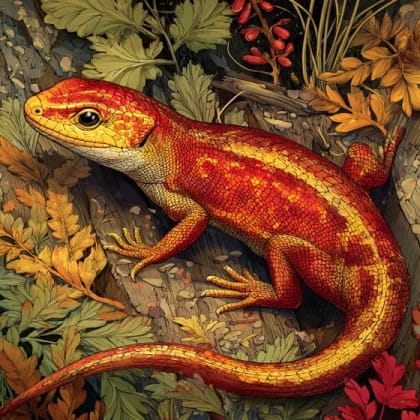
Red-bellied Snake
Storeria occipitomaculata
The Red-bellied Snake is a small, friendly snake with a bright red belly. It loves to hide under leaves and logs, making it a great friend for exploring nature!
Hábitat: Forests
The Red-bellied Snake is a tiny, slender snake, typically brownish, gray, or black on its back. Its most striking feature is a bright red, orange, or pink belly, often contrasting sharply with its dark top. It usually has three distinct light spots behind its head.
Categoría
ReptilesRareza
Common
Peligro
1/5 · Muy bajo
Snaps
¡Sé la primera persona en hacer un snap!
Some Red-bellied Snakes don't actually have red bellies, but orange or pink!
Their special hinged jaws let them swallow surprisingly large slugs and worms.
These tiny snakes are one of North America's smallest reptile species!
When startled, they quickly flatten their body to appear wider and bigger!
Red-bellied Snake can play dead by flipping over and staying still, which helps them trick predators into thinking they're not tasty!
Red-bellied Snakes have tiny, pointed teeth perfect for grasping slippery slugs and earthworms, helping them catch their favorite meals.
Red-bellied Snakes give birth to live, miniature baby snakes instead of laying eggs, helping their young have a head start.
This tiny snake loves to slurp up slugs and earthworms, along with other soft-bodied insects!
Corvus brachyrhynchos
Crows will prey on small snakes found in open areas.
Thamnophis sirtalis
Larger garter snakes can sometimes prey on smaller snakes.
Mephitis mephitis
Skunks are opportunistic predators that eat small reptiles.
Arion subfuscus
This snake's specialized diet includes various species of slugs.
Lumbricus terrestris
Earthworms are a primary food source for Red-bellied Snakes.
Los animales solitarios viven solos durante la mayor parte de su vida y solo interactúan con otros para aparearse o cuidar de sus crías.
El camuflaje describe a los organismos que poseen colores o patrones que les permiten mezclarse con su entorno.
Colorido describe a organismos u objetos que exhiben una amplia variedad de colores brillantes y distintivos.
Este rasgo identifica a los organismos cuya dieta consiste principalmente en insectos y otros pequeños invertebrados.

Los hábitats boscosos son entornos terrestres dominados por una densa cubierta arbórea, que sustentan una gran diversidad de vida animal y vegetal.
Los animales hibernantes entran en un estado de depresión metabólica durante períodos de frío o escasez de alimentos, caracterizado por una reducción de la temperatura corporal y la actividad.
Todavía no hay alias listados.
Peligro
1/5 · Muy bajo
If you see a snake, it's best to watch from a distance and not touch it.
20-40 cm
0.002-0.014 kg
2-4 años
0.5 km/h
This tiny snake loves to slurp up slugs and earthworms, along with other soft-bodied insects!
Forests
Foraging
3-14
Acércate para separar los grupos y explorar dónde se ha fotografiado este objeto.
Los snaps recientes aparecerán aquí a medida que se añadan nuevas observaciones.

Pennsylvania, US
Puedes ver Orange Hawkweed, Hickory Tussock Moth y Bird's-Foot Trefoil.
Ver guía →

Québec, CA
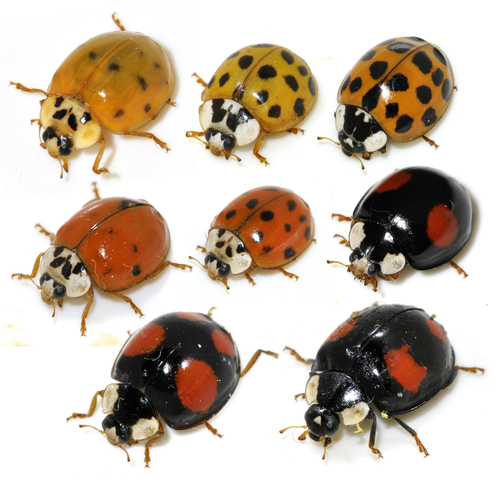
Puedes ver Common Eastern Bumble Bee y Mariquita Asiática.
Ver guía →
Ontario, CA
Puedes ver Mariquita Asiática y Forest Tent Caterpillar Moth.
Ver guía →
Michigan, US
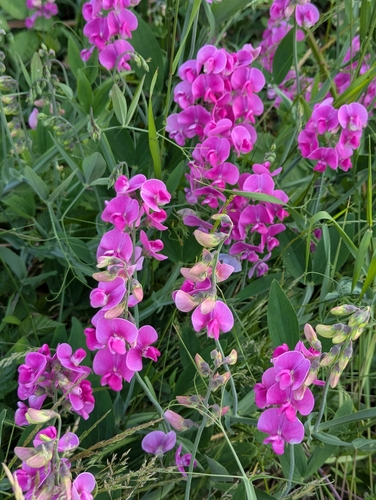
Puedes ver Broad-Leaved Sweet Pea, Garlic Mustard y White Baneberry.
Ver guía →

Pennsylvania, US
Puedes ver New York Fern, Common Milkweed y True Sedges.
Ver guía →