






Red-breasted Nuthatch
Sitta canadensis
The Red-breasted Nuthatch is a small bird with a bright orange belly and a cute, tiny beak. They love to climb trees and can often be seen hanging upside down while searching for food.
Hábitat: Forests
The Red-breasted Nuthatch is a small bird with a blue-gray back and a distinct rusty-orange breast and belly. It has a bold black eye-stripe contrasting with a white stripe above it, and a relatively long, pointed bill.
Categoría
AvesRareza
Common
Peligro
1/5 · Muy bajo
Snaps
¡Sé la primera persona en hacer un snap!
Their loud 'yank-yank' call sounds just like a tiny toy car horn honking!
These tiny birds can chip out their own nest holes in soft, dead wood!
They sometimes rub insects all over their feathers to get rid of tiny pests!
Unlike woodpeckers, they don't use their tails for support when climbing trees!
Red-breasted Nuthatches can walk headfirst down tree trunks because of specially adapted feet that allow them to grip bark from any angle.
The Red-breasted Nuthatch can plaster sticky tree sap (pitch) around its nest entrance, protecting its eggs from predators like squirrels.
Red-breasted Nuthatches have an incredible memory for storing seeds in tree bark crevices, ensuring they have food during scarce winter months.
They mainly eat insects and seeds, especially from conifers, like a tiny forest gardener!

Accipiter striatus
Small hawks often prey on these nuthatches.
Pinus strobus
Excavates nest cavities in dead snags of pine trees.
Picea mariana
Feeds heavily on seeds from black spruce cones.

Tamiasciurus hudsonicus
These squirrels will often raid nuthatch seed caches.
Describe a los animales, principalmente aves, que poseen una cubierta de plumas.
Los animales sociales viven en grupos organizados, cooperando para obtener beneficios de supervivencia como la búsqueda de alimento, la defensa y la cría de descendencia.
Los animales arborícolas viven principalmente en los árboles, utilizándolos como refugio, alimento y protección contra los depredadores.
Colorido describe a organismos u objetos que exhiben una amplia variedad de colores brillantes y distintivos.

Este rasgo identifica a los organismos cuya dieta consiste principalmente en insectos y otros pequeños invertebrados.

Los hábitats boscosos son entornos terrestres dominados por una densa cubierta arbórea, que sustentan una gran diversidad de vida animal y vegetal.

Los animales diurnos están activos principalmente durante el día y suelen descansar o dormir por la noche.
Todavía no hay alias listados.
Peligro
1/5 · Muy bajo
Enjoy watching birds from a distance and don’t try to touch them.
10.5-11.5 cm
19-21 cm
0.008-0.013 kg
2-7 años
35 km/h
They mainly eat insects and seeds, especially from conifers, like a tiny forest gardener!
Forests
Foraging
Acércate para separar los grupos y explorar dónde se ha fotografiado este objeto.
Los snaps recientes aparecerán aquí a medida que se añadan nuevas observaciones.
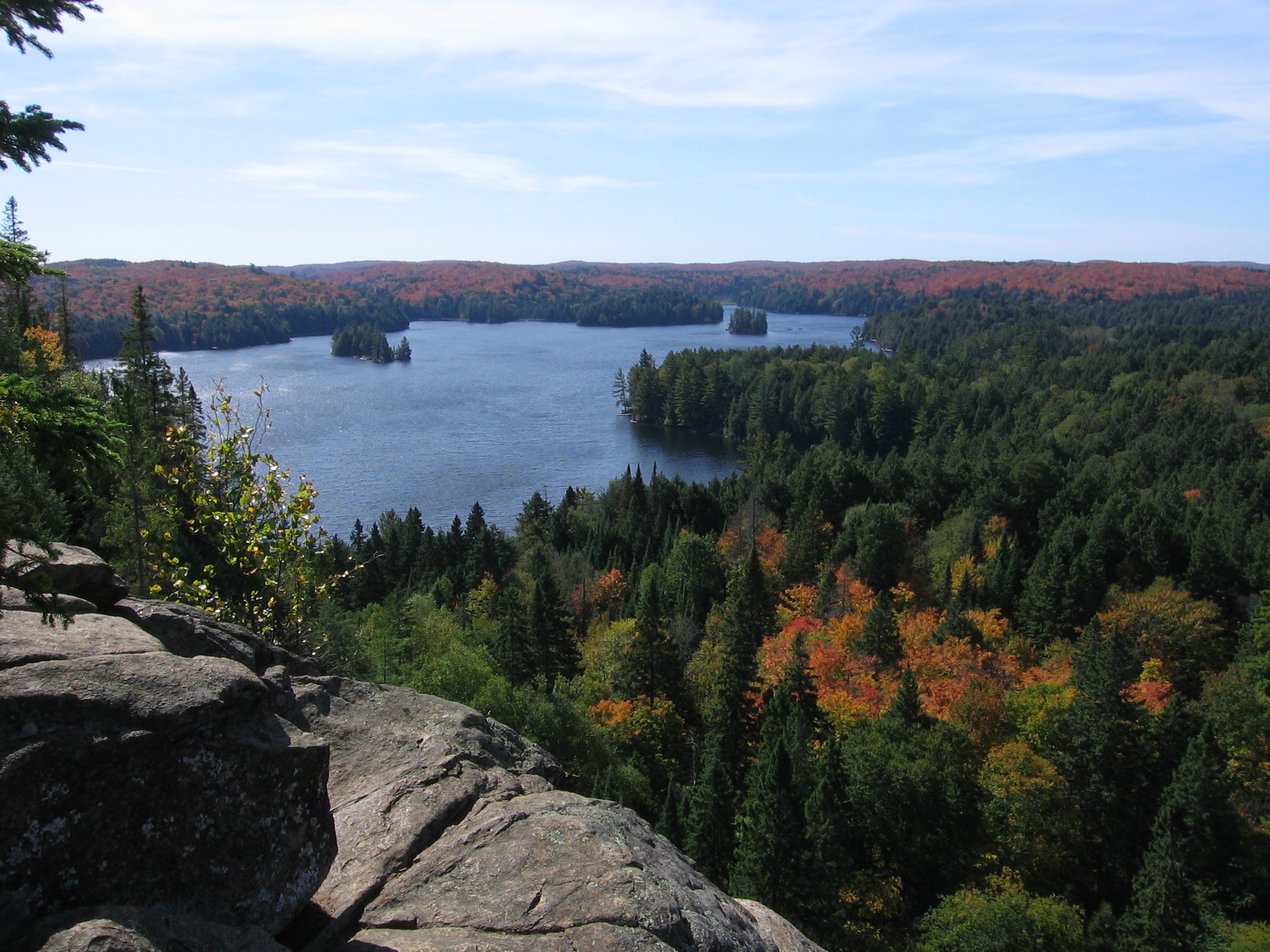
Ontario, CA
Puedes ver Alce, Brittlegills y Canadian Bunchberry.
Ver guía →

Pennsylvania, US
Puedes ver Hemlock Varnish Shelf, Laurel De Montaña y Cinnamon Fern.
Ver guía →
.jpg)
South Dakota, US
Puedes ver Least Chipmunk, Rocky Mountains Ponderosa Pine y Cabra Montesa.
Ver guía →
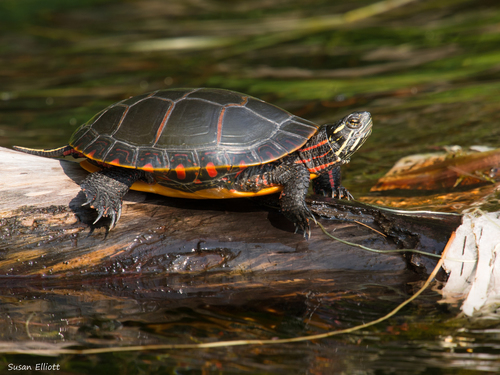
British Columbia, CA
Puedes ver Tortuga Pintada, Solomon's Plume y Saskatoon.
Ver guía →
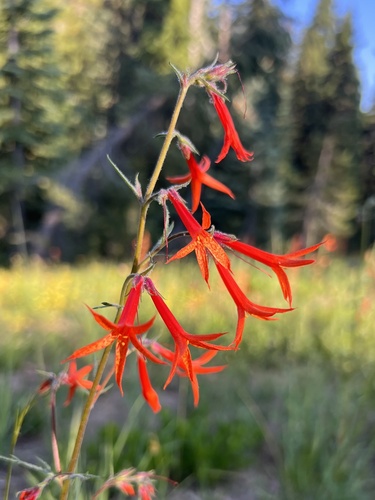
British Columbia, CA
Puedes ver Scarlet Gilia, Great Blanketflower y Solomon's Plume.
Ver guía →
British Columbia, CA
Puedes ver Tortuga Pintada, Antelope Bitterbrush y Western Tiger Beetle.
Ver guía →









.jpg&width=800)
-4.jpg&width=800)


