Red-breasted Sapsucker
Sphyrapicus ruber
The Red-breasted Sapsucker is a colorful woodpecker with a bright red chest. It loves to drill holes in trees to drink the sweet sap and catch bugs. These birds are fun to watch as they hop around the trunks of trees!
Hábitat: Forests
The Red-breasted Sapsucker has a distinctive vibrant red head and breast, contrasting with a barred black-and-white back. It features a prominent white stripe on its folded wing and a pale yellowish belly, making it visually distinct from other sapsuckers.
Categoría
AvesRareza
Common
Peligro
1/5 · Muy bajo
Snaps
¡Sé la primera persona en hacer un snap!
Baby sapsuckers are fed a diet mostly of insects, not sap!
Other birds, like hummingbirds, also drink sap from their tree wells!
Their long tongue has a brush-like tip to slurp up tree sap quickly.
They drum on metal objects, like street signs, to find a mate!
Red-breasted Sapsucker can drill neat rows of tiny holes in trees because this creates 'sap wells' for them to drink sweet sap.
Red-breasted Sapsucker has sap wells that help them catch insects, as bugs get stuck in the sugary liquid.
Red-breasted Sapsucker has stiff tail feathers that help them brace against tree trunks while climbing and drilling.
They mainly drink sweet tree sap and eat insects caught in their sap wells.
Pinus ponderosa
Drills sap wells in its bark for food.
Formica argentea
Catches ants attracted to sap wells.

Accipiter striatus
Is a prey item for this agile forest hawk.
Describe a los animales, principalmente aves, que poseen una cubierta de plumas.
Los animales sociales viven en grupos organizados, cooperando para obtener beneficios de supervivencia como la búsqueda de alimento, la defensa y la cría de descendencia.
Los animales arborícolas viven principalmente en los árboles, utilizándolos como refugio, alimento y protección contra los depredadores.
Colorido describe a organismos u objetos que exhiben una amplia variedad de colores brillantes y distintivos.

Este rasgo identifica a los organismos cuya dieta consiste principalmente en insectos y otros pequeños invertebrados.

Los hábitats boscosos son entornos terrestres dominados por una densa cubierta arbórea, que sustentan una gran diversidad de vida animal y vegetal.

Los animales diurnos están activos principalmente durante el día y suelen descansar o dormir por la noche.

Los animales migratorios emprenden movimientos estacionales de una región a otra, típicamente en respuesta a cambios en el clima o la disponibilidad de alimentos.
Todavía no hay alias listados.
Peligro
1/5 · Muy bajo
Enjoy watching birds from a distance and don't disturb their nests.
20-22 cm
34-39 cm
0.043-0.061 kg
4-7 años
40 km/h
They mainly drink sweet tree sap and eat insects caught in their sap wells.
Forests
Foraging
Acércate para separar los grupos y explorar dónde se ha fotografiado este objeto.
Los snaps recientes aparecerán aquí a medida que se añadan nuevas observaciones.
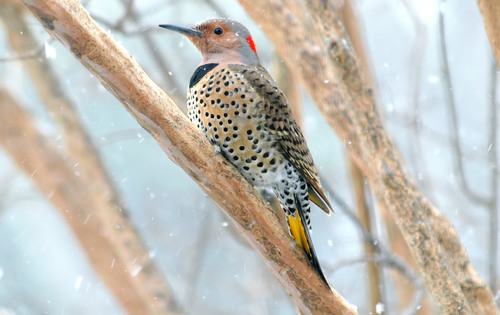
British Columbia, CA
Puedes ver Carpintero Norteño, Pavo Real Común y Red-Breasted Sapsucker.
Ver guía →
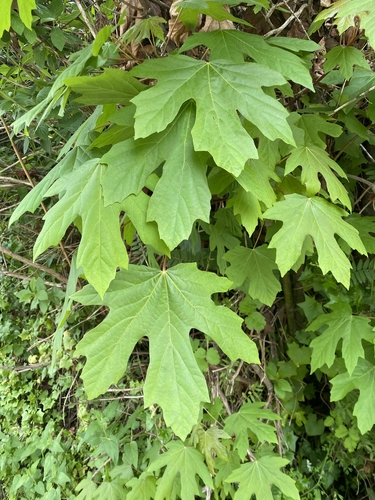
British Columbia, CA
Puedes ver Bigleaf Maple, Western Sword Fern y Vanilla Leaf.
Ver guía →
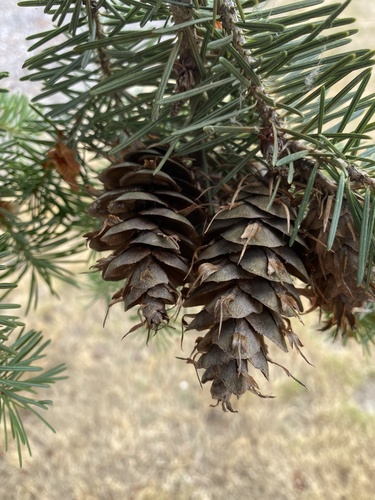
British Columbia, CA
Puedes ver Abeto De Douglas, Purple Foxglove y Oregon Oak.
Ver guía →

British Columbia, CA
Puedes ver Abeto De Douglas, Oregon Oak y Purple Foxglove.
Ver guía →

British Columbia, CA
Puedes ver Western Skunk Cabbage, Devil's Club y Pacific Ninebark.
Ver guía →

British Columbia, CA
Puedes ver Broad-Leaved Stonecrop, Western Skunk Cabbage y Salal.
Ver guía →




.jpg&width=800)


-2.jpg&width=800)

_Buenos_Aires.jpg&width=800)