



Red Clover
Trifolium pratense
Red clover is a pretty flower with bright pinkish-red blooms. It grows in fields and meadows, attracting bees and butterflies. It's not just beautiful; it also helps the soil stay healthy!
Hábitat: Grasslands
The Red Clover has distinctive globe-shaped flower heads, usually a vibrant reddish-purple or pink, that stand out in fields. Its unique leaves grow in groups of three, often marked with a pale, V-shaped chevron, making it easy to identify.
Categoría
PlantasRareza
Common
Peligro
1/5 · Muy bajo
Snaps
¡Sé la primera persona en hacer un snap!
Finding a four-leaf clover is super rare and brings good luck!
In some cultures, red clover flowers are used to make healthy herbal teas!
Its leaves fold up at night, as if sleeping, and unfold again at dawn!
Red Clover is a favorite snack for many animals, from deer to rabbits!
Red Clover can host special bacteria in its roots that create natural fertilizer, making the soil super healthy for other plants.
Red Clover has deep roots that help it find water and nutrients far underground, making it tough in dry conditions.
Red Clover has bright, nectar-rich flowers that attract busy bees, which helps spread its seeds to new places.
Bombus terrestris
Its long tongue can reach deep nectar.
Rhizobium leguminosarum
These bacteria fix nitrogen in its roots.

Microtus agrestis
These small rodents often graze on its leaves.
Apis mellifera
An important nectar source for honey production.
Cervus elaphus
Deer frequently browse its nutritious foliage.
Describe a los organismos capaces de convertir el nitrógeno atmosférico en compuestos utilizables por las plantas.
Las plantas con flores son cualquier planta que produce flores como parte de su ciclo reproductivo.
Las plantas bienales completan su ciclo de vida en dos temporadas de crecimiento, formando típicamente follaje en el primer año y floreciendo o semillando en el segundo.
Las plantas medicinales poseen compuestos químicos que pueden utilizarse con fines terapéuticos para tratar enfermedades o mantener la salud.

Este rasgo de uso humano describe las especies cultivadas o domesticadas por los humanos con fines agrícolas, incluyendo cultivos y ganado.

Las plantas comestibles son aquellas partes de una planta que se consideran seguras para el consumo humano.

Describe plantas que son particularmente atractivas y beneficiosas para una amplia variedad de organismos polinizadores.

Los hábitats de pastizales son biomas terrestres dominados por pastos y plantas herbáceas, que sustentan a una variedad de animales de pastoreo.

Describe organismos que transfieren polen, permitiendo la fertilización y reproducción de las plantas.
Todavía no hay alias listados.
Peligro
1/5 · Muy bajo
Always check with an adult before picking flowers.
20-80 cm
30-60 cm
1.5-3 cm
Late spring to fall
Sí
Ninguna
Bienal
Insectos
Acércate para separar los grupos y explorar dónde se ha fotografiado este objeto.
Los snaps recientes aparecerán aquí a medida que se añadan nuevas observaciones.

Quebec, CA
Puedes ver Marmota, Gaviota De Delaware y Ardilla Gris Oriental.
Ver guía →
_(16639600986).jpg)
New York, US
Puedes ver White Mulberry, Striped Greenhouse Slug y Tree-Of-Heaven.
Ver guía →
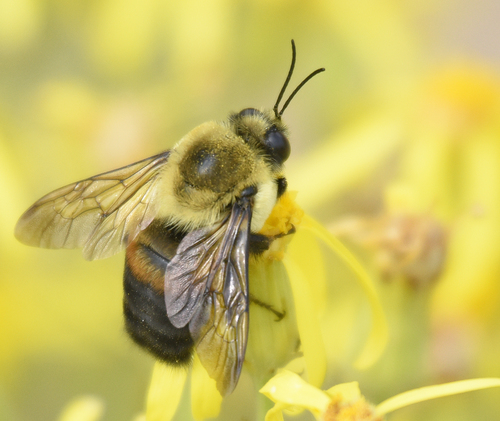
New York, US
Puedes ver Brown-Belted Bumble Bee y Ardilla Gris Oriental.
Ver guía →
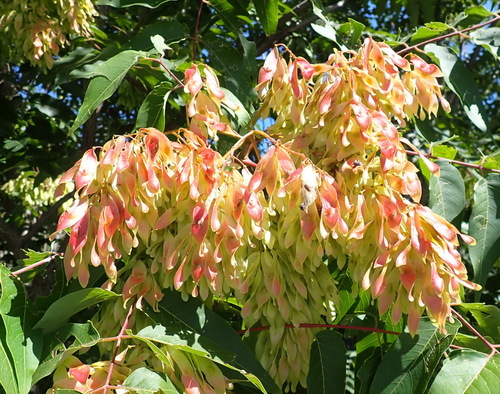
New York, US
Puedes ver Tree-Of-Heaven, Spotted Lanternfly y Paloma Bravía.
Ver guía →

Washington, US
Puedes ver Araña De Jardín, Pato y Fringed Willowherb.
Ver guía →

New York, US
Puedes ver Common Mugwort, White Snakeroot y Common Eastern Bumble Bee.
Ver guía →