
.jpg&width=800)





Red Milkweed Beetle
Tetraopes tetrophthalmus
The Red Milkweed Beetle is a bright red bug that loves to munch on milkweed plants. Its shiny color helps it stand out in nature, and it plays an important role in the ecosystem.
Hábitat: Grasslands
The Red Milkweed Beetle has a striking bright orange or red body with contrasting black spots on its wing covers and underside. Its most distinctive feature is its long, black antennae, which are often as long as its body. This vibrant coloration makes it visually distinct from other beetles.
Categoría
InsectosRareza
Common
Peligro
1/5 · Muy bajo
Snaps
¡Sé la primera persona en hacer un snap!
Baby milkweed beetles live underground for months, munching on roots!
If scared, a Red Milkweed Beetle might drop to the ground and play dead!
These beetles have special claws to grip milkweed plants, even on windy days!
They are part of the 'longhorn' beetle family, named for their super-long antennae!
Red Milkweed Beetle can eat poisonous milkweed, absorbing the toxins to make themselves taste bad to predators.
Red Milkweed Beetle has vivid red and black markings that signal to predators, 'Don't eat me, I'm yucky!'
Red Milkweed Beetle larvae have strong mandibles that help them chew and feed on milkweed roots underground.
This beetle munches exclusively on milkweed plants, from leaves to roots!
Diferencias por edad: Larvae feed on milkweed roots underground, while adult beetles consume the leaves, stems, and sometimes pollen.

Asclepias syriaca
larvae eat roots, adults feed on leaves and stems.

Asclepias tuberosa
a primary food source for adult beetles.
Podisus maculiventris
nymphs and adults can prey on Red Milkweed Beetle larvae.
Los animales solitarios viven solos durante la mayor parte de su vida y solo interactúan con otros para aparearse o cuidar de sus crías.
Colorido describe a organismos u objetos que exhiben una amplia variedad de colores brillantes y distintivos.
Este rasgo caracteriza a los organismos cuya dieta consiste total o principalmente en material vegetal.
Describe plantas que son particularmente atractivas y beneficiosas para una amplia variedad de organismos polinizadores.

Los hábitats de pastizales son biomas terrestres dominados por pastos y plantas herbáceas, que sustentan a una variedad de animales de pastoreo.

Los animales diurnos están activos principalmente durante el día y suelen descansar o dormir por la noche.

Describe una especie cuya presencia y papel tienen un efecto desproporcionadamente grande en su entorno.

Describe organismos que transfieren polen, permitiendo la fertilización y reproducción de las plantas.
Todavía no hay alias listados.
Peligro
1/5 · Muy bajo
It's best to watch these beetles from a distance and not touch them.
15-30 mm
8-15 mm
14-28 días
This beetle munches exclusively on milkweed plants, from leaves to roots!
Grasslands
Foraging
6
Acércate para separar los grupos y explorar dónde se ha fotografiado este objeto.
Los snaps recientes aparecerán aquí a medida que se añadan nuevas observaciones.

Illinois, US
Puedes ver Pato Joyuyo, Tordo Sargento y Pato.
Ver guía →
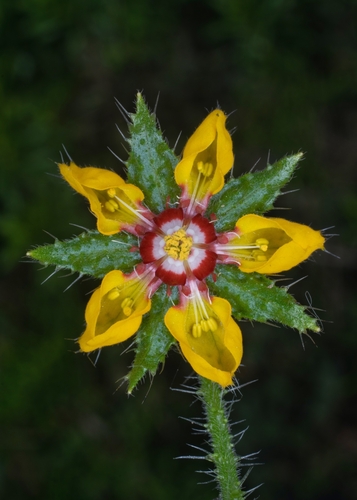
Illinois, US
Puedes ver Plants y Red Milkweed Beetle.
Ver guía →
_Filene_Center_outside.jpg)
Virginia, US
Puedes ver False Milkweed Bug, Laurel De Montaña y Eastern Skunk Cabbage.
Ver guía →
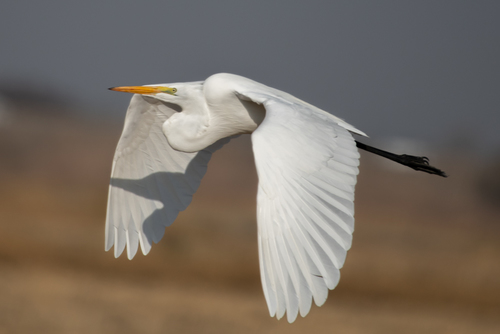
New Jersey, US
Puedes ver Great Egret, Pino Blanco Oriental y Haircap Moss.
Ver guía →

Illinois, US
Puedes ver Illinois Bundleflower, Wild Bergamot y Cup Plant.
Ver guía →












