Red-shouldered Bug
Jadera haematoloma
The Red-shouldered Bug is a colorful insect with bright red shoulders and a black body. They love to hang out on plants and are often seen in gardens, making them fun to spot!
Hábitat: Urban areas
The Red-shouldered Bug has a distinctive black body, contrasting sharply with bright reddish-orange markings on its 'shoulders' (pronotum) and head. Its transparent wings reveal delicate black veins, and its legs are typically red, making it easy to identify from other dark-bodied insects.
Categoría
InsectosRareza
Common
Peligro
1/5 · Muy bajo
Snaps
¡Sé la primera persona en hacer un snap!
Baby red-shouldered bugs are called nymphs and are almost entirely bright red!
If threatened, some can release a stinky scent to make predators think twice!
These bugs often gather in piles of hundreds, especially during colder weather!
They're sometimes called 'soapberry bugs' because they love soapberry tree seeds!
Red-shouldered Bug can access hidden nutrients in seeds because of its needle-like mouthparts that helps them puncture tough exteriors.
Red-shouldered Bug has vibrant red and black colors that helps them warn predators they might taste bad or are toxic.
Red-shouldered Bug can form large groups with other bugs because of a natural instinct that helps them deter predators and find mates.
Red-shouldered Bug can quickly escape danger using its transparent wings that helps them fly between food sources and avoid threats.
They mostly drink the juices from fallen seeds.
Sapindus saponaria
Its primary food source of mature seeds.
Acer negundo
Often aggregates on these trees for safety and overwintering.
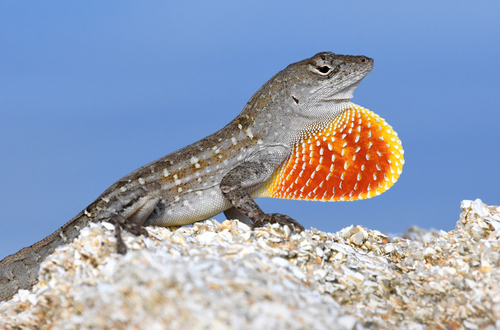
Anolis carolinensis
A common lizard predator in its range.

Parus carolinensis
A small bird that will opportunistically feed on insects.
Los animales sociales viven en grupos organizados, cooperando para obtener beneficios de supervivencia como la búsqueda de alimento, la defensa y la cría de descendencia.
Colorido describe a organismos u objetos que exhiben una amplia variedad de colores brillantes y distintivos.
Este rasgo caracteriza a los organismos cuya dieta consiste total o principalmente en material vegetal.
Describe plantas que son particularmente atractivas y beneficiosas para una amplia variedad de organismos polinizadores.

Los animales diurnos están activos principalmente durante el día y suelen descansar o dormir por la noche.

Esta característica de hábitat indica especies que pueden coexistir con los humanos en entornos urbanos y suburbanos, utilizando estructuras artificiales y espacios verdes.

Describe organismos que transfieren polen, permitiendo la fertilización y reproducción de las plantas.
Todavía no hay alias listados.
Peligro
1/5 · Muy bajo
These bugs are safe to observe, but it's best not to touch them.
10-14 mm
60-180 días
They mostly drink the juices from fallen seeds.
Urban areas
Foraging
6
Acércate para separar los grupos y explorar dónde se ha fotografiado este objeto.
Los snaps recientes aparecerán aquí a medida que se añadan nuevas observaciones.