
.jpg&width=800)





Red-shouldered Hawk
Buteo lineatus
The Red-shouldered Hawk is a beautiful bird with bright red shoulders and a loud call. It loves to soar high in the sky and can often be seen perched on trees, watching for its next meal.
Hábitat: Forests
The Red-shouldered Hawk has a rich reddish-brown barred underside, with broad black and white bands on its tail. Its upperparts are mottled brown, and it sports distinctive rufous-red patches on its shoulders, giving it its name.
Categoría
AvesRareza
Common
Peligro
2/5 · Bajo
Snaps
¡Sé la primera persona en hacer un snap!
A young hawk can fly within six weeks of hatching, learning to hunt quickly!
Red-shouldered Hawks often 'still hunt', waiting patiently on a perch for prey.
Their nests are often reused for many years, sometimes just needing a quick renovation!
They love to eat snakes and frogs, making them helpful pest controllers in wetlands.
Red-shouldered Hawks can spot tiny prey from high in the trees because of their incredibly sharp eyesight.
Red-shouldered Hawks have specialized feathers that allow nearly silent flight, helping them ambush unsuspecting prey.
Red-shouldered Hawks possess strong, sharp talons that help them firmly grip and carry their captured prey.
Red-shouldered Hawks use a loud, distinctive 'kee-aah' call that helps them declare territory and communicate.
These hawks are carnivores that hunt and eat small mammals, reptiles, amphibians, and sometimes other birds.
Microtus pennsylvanicus
A primary small mammal prey item for the hawk.
Rana catesbeiana
Common amphibian prey, especially near water.
Thamnophis sirtalis
Frequently preys on various non-venomous snakes.
Bubo virginianus
Larger owls sometimes prey on hawk eggs, young, or adults.
Quercus alba
Often builds nests in large, mature trees like oaks.
Describe a los animales, principalmente aves, que poseen una cubierta de plumas.
Los animales solitarios viven solos durante la mayor parte de su vida y solo interactúan con otros para aparearse o cuidar de sus crías.
Las criaturas aéreas pasan una parte importante de su vida en el aire, utilizando el vuelo para diversas actividades como la caza, la migración o la anidación.
Colorido describe a organismos u objetos que exhiben una amplia variedad de colores brillantes y distintivos.

Los hábitats boscosos son entornos terrestres dominados por una densa cubierta arbórea, que sustentan una gran diversidad de vida animal y vegetal.

Un depredador de emboscada caza esperando pacientemente y ocultándose, para luego lanzar un ataque repentino cuando una presa desprevenida se pone a su alcance.

Este rasgo de hábitat identifica especies que se encuentran en humedales, que son áreas de tierra saturadas de agua, ya sea permanente o estacionalmente, e incluyen marismas, pantanos y ciénagas.

Este rasgo identifica a los organismos cuya dieta consiste total o principalmente en tejido animal.

Los animales diurnos están activos principalmente durante el día y suelen descansar o dormir por la noche.
Todavía no hay alias listados.
Peligro
2/5 · Bajo
Always watch birds from a distance and don't try to touch them.
38-58 cm
90-127 cm
0.5-0.7 kg
10-20 años
65 km/h
These hawks are carnivores that hunt and eat small mammals, reptiles, amphibians, and sometimes other birds.
Forests
Ambush
Acércate para separar los grupos y explorar dónde se ha fotografiado este objeto.
Los snaps recientes aparecerán aquí a medida que se añadan nuevas observaciones.

Maryland, US
Puedes ver Garza Azulada, Azulejo Oriental y Ciervo De Cola Blanca.
Ver guía →
Virginia, US
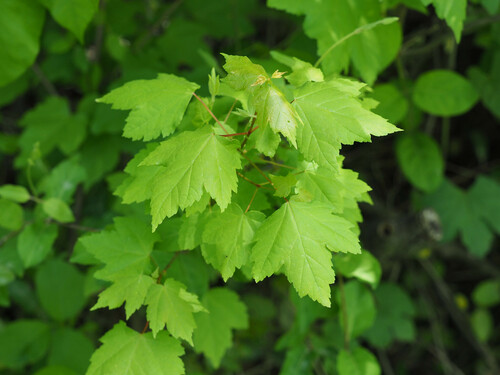
Puedes ver Arce Rojo, Spotted Lanternfly y Cardenal Norteño.
Ver guía →

Virginia, US
Puedes ver Ciervo De Cola Blanca, Gorrión Común y Ardilla Gris Oriental.
Ver guía →

Alabama, US
Puedes ver Baja California Rat Snake y Blue-Faced Honeyeater.
Ver guía →
Virginia, US
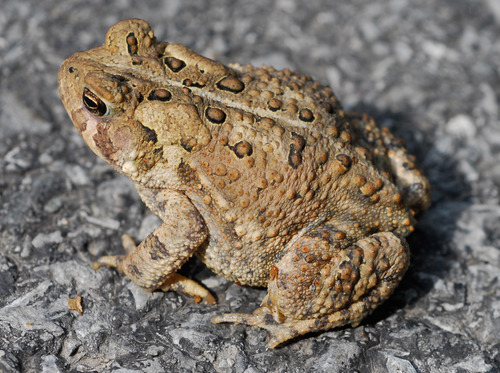
Puedes ver Sapo Americano, Liquidámbar Americano y Partridgeberry.
Ver guía →
Virginia, US
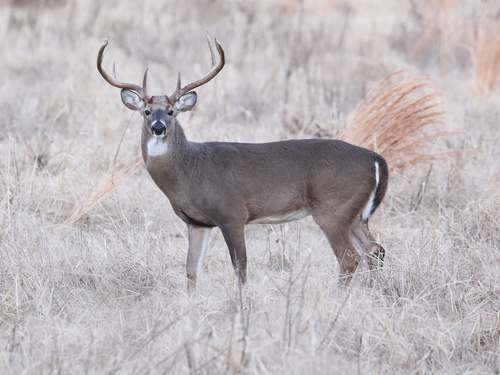
Puedes ver Ciervo De Cola Blanca, American Tuliptree y Acebo.
Ver guía →








.jpg&width=800)




