






Red Valerian
Centranthus ruber
Red Valerian is a bright pink flower that loves to grow in sunny places. It attracts butterflies and bees, making gardens colorful and lively!
Hábitat: Urban areas
The Red Valerian is a robust plant with dense clusters of small, star-shaped flowers that are typically vibrant magenta-red, though sometimes pink or white. Its grey-green, slightly fleshy leaves provide a striking contrast to the cheerful blooms.
Categoría
PlantasRareza
Common
Peligro
1/5 · Muy bajo
Snaps
¡Sé la primera persona en hacer un snap!
Even its young leaves can be added to salads for a fresh, unique taste!
It's also called 'Kiss-me-quick' because its flowers are so charming!
This plant is a favorite 'fast-food stop' for speedy Hummingbird Hawk-moths!
You can sometimes spot its cheerful blooms growing right out of old stone walls!
Red Valerian can grow directly from cracks in walls and rocks, thanks to strong roots that find moisture in tough spots.
This plant has a long nectar spur on each flower to attract long-tongued insects like hummingbirds and hawk-moths, ensuring pollination.
Red Valerian can drop many seeds around itself, helping it quickly colonize new patches of ground.
Its slightly succulent leaves help Red Valerian store water, allowing it to thrive in dry, sunny conditions.
Apis mellifera
Collects nectar and pollen from flowers.
Vanessa cardui
Sips nectar from the flowers.
Macroglossum stellatarum
Its long proboscis reaches deep into nectar spurs.
Las plantas aromáticas producen y emiten compuestos orgánicos volátiles fragantes, a menudo como defensa o para atraer a los polinizadores.
Las plantas con flores son cualquier planta que produce flores como parte de su ciclo reproductivo.
Las plantas de floración de verano producen sus flores durante la temporada estival, a menudo aportando un color vibrante cuando muchas otras plantas ya han terminado de florecer.
Las flores fragantes emiten un aroma agradable, a menudo para atraer polinizadores o como defensa.

Colorido describe a organismos u objetos que exhiben una amplia variedad de colores brillantes y distintivos.

Describe plantas que son particularmente atractivas y beneficiosas para una amplia variedad de organismos polinizadores.

Esta característica de hábitat indica especies que pueden coexistir con los humanos en entornos urbanos y suburbanos, utilizando estructuras artificiales y espacios verdes.
Peligro
1/5 · Muy bajo
Always wash your hands after touching plants, just to be safe!
30-90 cm
30-60 cm
0.5-1 cm
Late spring to fall
Sí
Ninguna
Perenne
Insectos
Acércate para separar los grupos y explorar dónde se ha fotografiado este objeto.
Los snaps recientes aparecerán aquí a medida que se añadan nuevas observaciones.
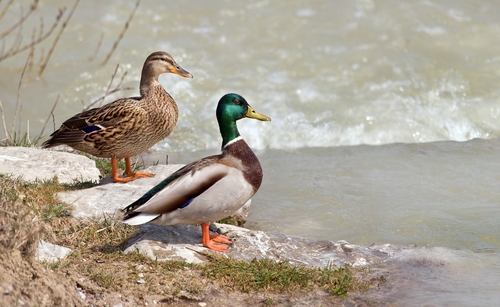
California, US
Puedes ver Pato, Great Egret y Hooded Merganser.
Ver guía →

California, US
Puedes ver Roxburgh Fig, Rosas y Swan-Neck Agave.
Ver guía →

Washington, US
Puedes ver Araña De Jardín, Western Redcedar y Fringed Willowherb.
Ver guía →

Washington, US
Puedes ver Prostrate Knotweed, Common Dandelion y Pato.
Ver guía →
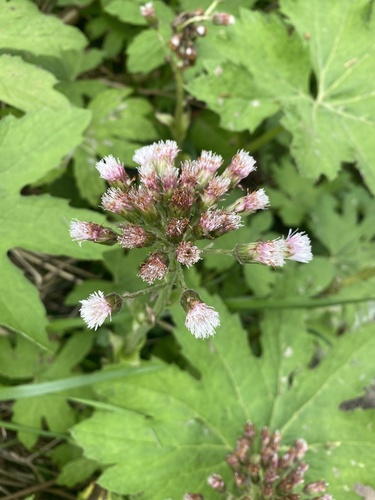
Washington, US
Puedes ver Arctic Butterbur, Red Valerian y American Brooklime.
Ver guía →
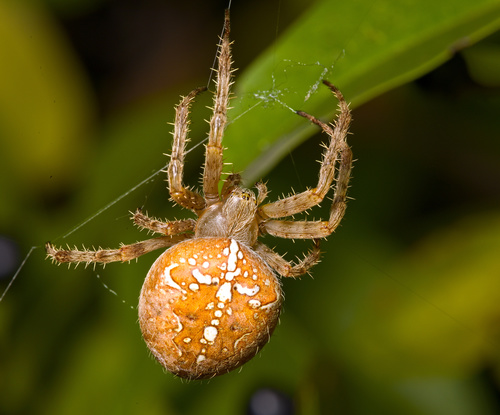
Washington, US
Puedes ver Araña De Jardín, Fringed Willowherb y Yellow-Faced Bumble Bee.
Ver guía →







.jpg&width=800)







