






Refugio Manzanita
arctostaphylos refugioensis
The Refugio Manzanita is a beautiful evergreen shrub with shiny leaves and pretty pink flowers! It provides food and shelter for many animals in its native habitat.
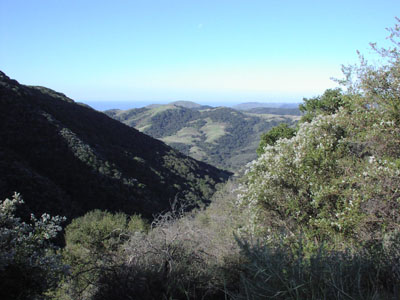
Hábitat: Coastal scrub and chaparral areas in California.
The Refugio Manzanita has striking smooth, dark reddish-brown bark that peels in thin strips, creating a glossy appearance. Its small, waxy, evergreen leaves are bright green, and it produces clusters of tiny, white to pink urn-shaped flowers.
Categoría
PlantasRareza
Rare
Peligro
0/5 · Sin peligro conocido
Snaps
¡Sé la primera persona en hacer un snap!
Its berries were traditionally ground into a refreshing cider by native people!
Its smooth, reddish bark makes it look like it's glowing in the sun!
The word "manzanita" means "little apple" in Spanish, for its small, round fruits!
This rare plant thrives only in a tiny, unique corner of California's coast!
Refugio Manzanita can release seeds that need fire to sprout, helping it regenerate quickly after wildfires.
Refugio Manzanita has tough, leathery leaves angled to reduce sun exposure, helping it conserve precious water.
Its smooth, reddish bark sheds, which helps the plant get rid of parasites and old, dead tissue.
Bombus vosnesenskii
collects nectar and pollen from its flowers.
Turdus migratorius
feasts on its edible berries, spreading seeds.
Odocoileus hemionus
browses on its leaves and tender twigs.
Apis mellifera
gathers nectar, helping the plant reproduce.
Colorido describe a organismos u objetos que exhiben una amplia variedad de colores brillantes y distintivos.
Este rasgo caracteriza a los organismos cuya dieta consiste total o principalmente en material vegetal.
Los hábitats boscosos son entornos terrestres dominados por una densa cubierta arbórea, que sustentan una gran diversidad de vida animal y vegetal.
Los animales diurnos están activos principalmente durante el día y suelen descansar o dormir por la noche.

El estado de peligro de extinción indica que una especie corre un riesgo muy alto de extinguirse en estado silvestre en un futuro próximo.
Peligro
0/5 · Sin peligro conocido
Todavía no hay notas especiales de seguridad.
150-300 cm
150-300 cm
0.5-0.8 cm
Late winter to early spring
Sí
Ninguna
Perenne
Insectos
Acércate para separar los grupos y explorar dónde se ha fotografiado este objeto.
Los snaps recientes aparecerán aquí a medida que se añadan nuevas observaciones.


















.jpg&width=800)

