






Rushes
juncus
Rushes are tall, grass-like plants that love to grow in wet places. They provide a cozy home for many small animals and help keep the water clean!
Hábitat: Wetlands, marshes, and along riverbanks.
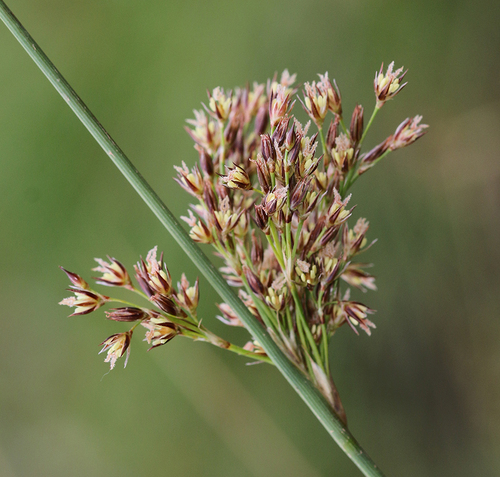
The Rushes has long, slender, upright stems that are typically round and solid, unlike hollow grasses. Its leaves are often reduced or appear as sheaths at the stem's base. Tiny, green or brown, inconspicuous flowers cluster near the stem's tip, blending into its grassy appearance.
Categoría
PlantasRareza
Common
Peligro
0/5 · Sin peligro conocido
Snaps
¡Sé la primera persona en hacer un snap!
Ancient people used the pithy center of rush stems as wicks for simple candles and oil lamps!
Rushes are "monocots," like grasses and lilies, but belong to their own special plant family called Juncaceae.
Rushes are wind-pollinated, meaning they don't need bright flowers or sweet nectar to attract buzzing insects.
The strong, solid stems of rushes were traditionally woven into sturdy mats, baskets, and even chair seats!
Rushes can absorb excess nutrients and pollutants from wet soil, helping to clean the water around them.
Rushes have tough, spreading root systems that hold soil together, stopping it from washing away during floods.
Rushes can thrive in waterlogged soil with low oxygen, where most other plants would struggle to grow.
Ondatra zibethicus
eats the roots and stems of rushes
Anas platyrhynchos
nests and hides within dense rush clumps
Branta canadensis
grazes on the tender shoots of rushes
Aphis juncus
sucks sap from rush stems and leaves
Los animales sociales viven en grupos organizados, cooperando para obtener beneficios de supervivencia como la búsqueda de alimento, la defensa y la cría de descendencia.
Este rasgo caracteriza a los organismos cuya dieta consiste total o principalmente en material vegetal.
Describe a los organismos que descomponen la materia orgánica muerta, reciclando los nutrientes de vuelta al ecosistema.
Los hábitats acuáticos abarcan entornos donde los organismos viven principalmente en el agua, incluidos océanos, ríos, lagos y humedales.

El estado de peligro de extinción indica que una especie corre un riesgo muy alto de extinguirse en estado silvestre en un futuro próximo.
Peligro
0/5 · Sin peligro conocido
Todavía no hay notas especiales de seguridad.
10-150 cm
10-50 cm
Late Spring - Summer
No
Ninguna
Perenne
Viento
Wetlands, marshes, and along riverbanks.
Acércate para separar los grupos y explorar dónde se ha fotografiado este objeto.
Los snaps recientes aparecerán aquí a medida que se añadan nuevas observaciones.













_(19755304021).jpg&width=800)






