





Saimiri Sciureus Sciureus
saimiri sciureus sciureus
El Saimiri Sciureus Sciureus es un mono pequeño y juguetón al que le encanta balancearse entre los árboles. Estos monos son conocidos por sus divertidos comportamientos sociales y sus llamadas ruidosas.
Hábitat: Selvas tropicales de América del Sur
El Saimiri Sciureus Sciureus es un mono pequeño con una distintiva máscara negra alrededor de sus ojos, un hocico blanco y pelaje naranja dorado en su espalda. Su vientre y extremidades son de color blanco amarillento, creando un contraste vibrante con el pelaje entrecano en su cabeza.
Categoría
MamíferosRareza
Common
Peligro
1/5 · Muy bajo
Snaps
¡Sé la primera persona en hacer un snap!
Las monas ardilla hembra a menudo dan a luz a sus crías exactamente en la misma época del año.
¡Los monos ardilla a veces se frotan su orina para ayudarse a agarrar ramas y marcar olor!
Estos monos inteligentes pueden incluso aprender tareas sencillas observando y copiando a otros monos.
¡A menudo viajan en "supergrupos" gigantes con cientos de otros monos ardilla!
El Saimiri Sciureus Sciureus puede hacer más de 25 sonidos distintos porque tiene un repertorio vocal complejo que le ayuda a comunicar muchos mensajes.
El Saimiri Sciureus Sciureus puede saltar entre los árboles con increíble velocidad porque sus fuertes extremidades y su larga cola le ayudan a equilibrarse y moverse rápidamente.
El Saimiri Sciureus Sciureus puede usar sus ágiles dedos para agarrar con destreza objetos pequeños, lo que les ayuda a encontrar y manipular pequeños insectos.
Estos omnívoros disfrutan de una dieta variada de frutas jugosas, insectos sabrosos e incluso pequeños vertebrados.
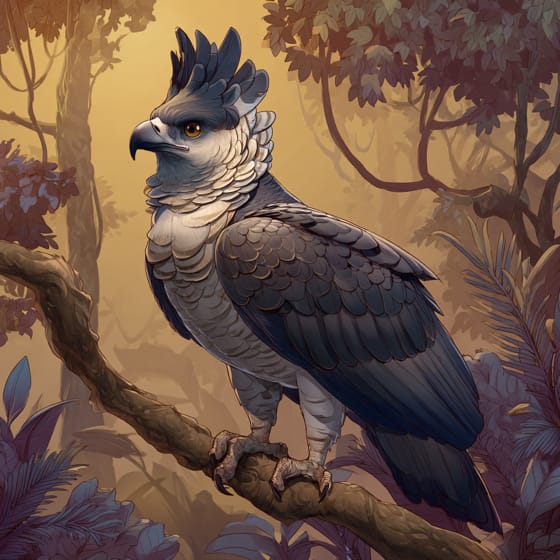
Harpia harpyja
Un poderoso depredador aéreo que caza monos desde arriba.
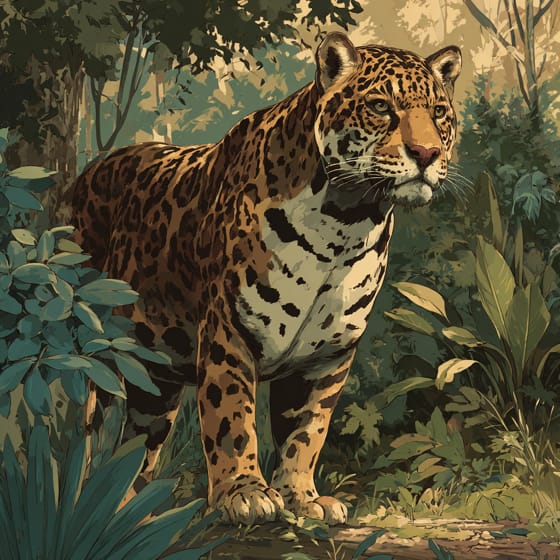
Panthera onca
Un depredador ápice que embosca a los monos ardilla en el suelo del bosque.
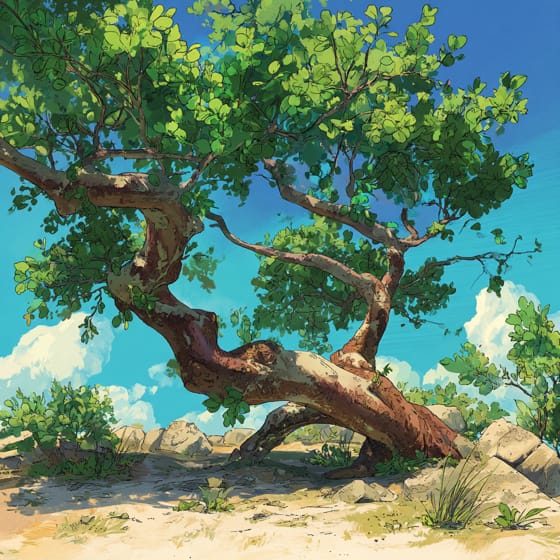
Ficus pertusa
Los monos ardilla consumen sus frutos azucarados, ayudando en la dispersión de semillas.
Boa constrictor
Una serpiente grande que puede emboscar a los monos en los árboles o en el suelo.
Peludo describe a los animales que poseen una cubierta densa de pelo o pelaje suave.
Los animales sociales viven en grupos organizados, cooperando para obtener beneficios de supervivencia como la búsqueda de alimento, la defensa y la cría de descendencia.
Este rasgo identifica organismos cuya dieta incluye tanto materia vegetal como animal.
Los animales arborícolas viven principalmente en los árboles, utilizándolos como refugio, alimento y protección contra los depredadores.

Los animales diurnos están activos principalmente durante el día y suelen descansar o dormir por la noche.
Peligro
1/5 · Muy bajo
Todavía no hay notas especiales de seguridad.
La forma más fácil de identificar a Saimiri Sciureus Sciureus es usar la aplicación de identificación de naturaleza Snappit.
25-35 cm
0.7-1.1 kg
15-20 años
28 km/h
Estos omnívoros disfrutan de una dieta variada de frutas jugosas, insectos sabrosos e incluso pequeños vertebrados.
Selvas tropicales de América del Sur
Forrajeo
Acércate para separar los grupos y explorar dónde se ha fotografiado este objeto.
Los snaps recientes aparecerán aquí a medida que se añadan nuevas observaciones.
Llévate el descubrimiento
Haz una foto con Snappit, identifica la especie y guarda el hallazgo en tu colección.




.jpg&width=800)


.JPG&width=800)



.jpg&width=800)
