






Salt Marsh Moth
Estigmene acrea
The Salt Marsh Moth is a beautiful insect with soft, fuzzy wings. It loves to fly around in warm weather and can often be found near salt marshes, where it lays its eggs.
Hábitat: Coastal areas
The Salt Marsh Moth has fuzzy, white forewings often spotted with black, and bright orange-yellow hindwings that also feature black spots. Its body is yellow or orange with black markings, making it stand out from many plain white moths.
Categoría
InsectosRareza
Common
Peligro
1/5 · Muy bajo
Snaps
¡Sé la primera persona en hacer un snap!
Adult moths don't eat at all; they live off energy stored as caterpillars!
Caterpillars grow by shedding their skin many times, like changing outfits!
Its caterpillar is called a 'Woolly Bear' and can survive cold by freezing!
Some caterpillars can munch through hundreds of leaves in their lifetime!
Salt Marsh Moth caterpillars are covered in stiff hairs that help protect them from predators who might try to eat them.
Salt Marsh Moth caterpillars can eat poisonous plants and store toxins, making them unappetizing to birds and other predators.
Adult Salt Marsh Moths have bright hindwings that they flash to startle predators, giving them a chance to escape quickly.
Caterpillars are plant-eaters, munching on many kinds of leaves, while adult moths do not eat.
Diferencias por edad: Caterpillars eat many plants, but adult moths do not feed, relying on stored energy.
Myotis lucifugus
Bats hunt adult moths at night using echolocation.
Poecile atricapillus
Birds often snatch caterpillars and adult moths for a meal.

Taraxacum officinale
Caterpillars munch on leaves of dandelions and other common weeds.
Exorista larvarum
Tachinid flies lay eggs on caterpillars, which are then eaten by the fly larvae.
Peludo describe a los animales que poseen una cubierta densa de pelo o pelaje suave.
Los animales solitarios viven solos durante la mayor parte de su vida y solo interactúan con otros para aparearse o cuidar de sus crías.
Este rasgo caracteriza a los organismos cuya dieta consiste total o principalmente en material vegetal.
Los hábitats costeros son entornos dinámicos situados a lo largo de la interfaz entre la tierra y el mar, influenciados por las mareas, las olas y el agua salada.

Los animales nocturnos están principalmente activos durante la noche, y suelen descansar o dormir durante el día.

Describe organismos que transfieren polen, permitiendo la fertilización y reproducción de las plantas.
Todavía no hay alias listados.
Peligro
1/5 · Muy bajo
Moths are generally safe, but it's best to look and not touch them.
40-60 mm
15-25 mm
5-10 días
15 km/h
Caterpillars are plant-eaters, munching on many kinds of leaves, while adult moths do not eat.
Coastal areas
Foraging
6
Acércate para separar los grupos y explorar dónde se ha fotografiado este objeto.
Los snaps recientes aparecerán aquí a medida que se añadan nuevas observaciones.

Illinois, US
Puedes ver Barnacla Canadiense, Gaviota De Delaware y Tordo Sargento.
Ver guía →
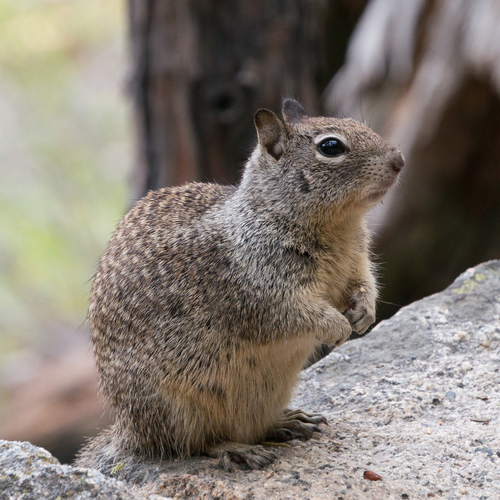
California, US
Puedes ver California Ground Squirrel y Coast Cholla.
Ver guía →
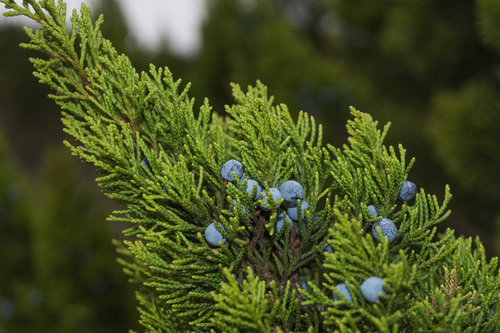
Texas, US
Puedes ver Ashe Juniper, Texas Bluebonnet y Texas Live Oak.
Ver guía →
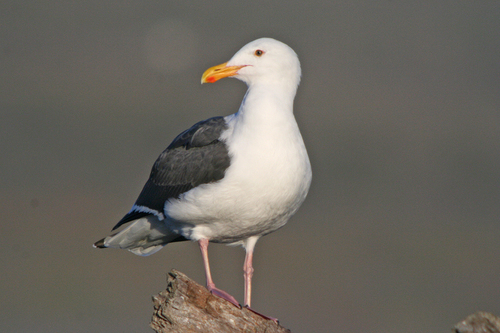
California, US
Puedes ver Western Gull, Snowy Egret y Black Skimmer.
Ver guía →

California, US
Puedes ver Ochre Sea Star, Giant Green Anemone y Sunburst Anemone.
Ver guía →

Mississippi, US
Puedes ver Golden Club, Southern Cricket Frog y Dwarf Sundew.
Ver guía →















