






Common Lovebug
Plecia nearctica
Common Lovebugs are small, black insects with a love for each other! They are often seen flying in pairs, and they are harmless to people.
Hábitat: Urban areas
The Common Lovebug has a glossy black body and a striking reddish-orange thorax. Its long, smoky wings give it a somewhat fuzzy appearance. Males are notably smaller than females and often remain attached during their distinctive paired flight.
Categoría
InsectosRareza
Common
Peligro
1/5 · Muy bajo
Snaps
¡Sé la primera persona en hacer un snap!
Lovebug larvae live hidden in moist soil, munching on decaying leaves and grass.
Sometimes, their massive swarms are so dense they can even block car radiators!
Their bright red thorax is actually a warning signal to potential predators.
They emerge like clockwork, twice a year, causing huge swarms in spring and fall.
Common Lovebug can remain connected for days during mating because their strong abdominal connection ensures successful reproduction.
Common Lovebug has synchronized hatches that create huge swarms, helping many individuals find mates quickly.
Common Lovebug larvae can break down decaying plant matter, helping enrich soil nutrients below ground.
Lovebug larvae eat decaying plants, while adults sip nectar from flowers for quick energy.
Diferencias por edad: Larvae are detritivores, consuming decaying plant material. Adults are nectivorous, drinking nectar for energy but not eating solid food.

Bufo terrestris
Toads consume many lovebugs during their large swarms.
Misumena vatia
Crab spiders ambush adult lovebugs visiting flowers for nectar.

Serenoa repens
Adult lovebugs visit saw palmetto flowers, aiding pollination.

Quercus virginiana
Lovebug larvae decompose decaying leaves from oak trees, enriching soil.
Los animales sociales viven en grupos organizados, cooperando para obtener beneficios de supervivencia como la búsqueda de alimento, la defensa y la cría de descendencia.
Este rasgo caracteriza a los organismos cuya dieta consiste total o principalmente en material vegetal.
Describe plantas que son particularmente atractivas y beneficiosas para una amplia variedad de organismos polinizadores.
Los animales diurnos están activos principalmente durante el día y suelen descansar o dormir por la noche.

Relativo a especies que son significativamente más pequeñas que lo típico o promedio de su tipo.

Esta característica de hábitat indica especies que pueden coexistir con los humanos en entornos urbanos y suburbanos, utilizando estructuras artificiales y espacios verdes.

Describe organismos que transfieren polen, permitiendo la fertilización y reproducción de las plantas.
Todavía no hay alias listados.
Peligro
1/5 · Muy bajo
Lovebugs are safe to watch but don't touch them too much.
15-20 mm
6-9 mm
3-7 días
Lovebug larvae eat decaying plants, while adults sip nectar from flowers for quick energy.
Urban areas
Foraging
6
Acércate para separar los grupos y explorar dónde se ha fotografiado este objeto.
Los snaps recientes aparecerán aquí a medida que se añadan nuevas observaciones.
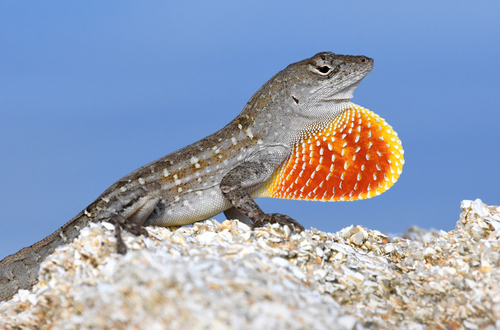
Florida, US
Puedes ver Anolis Castaño, Southern Live Oak y Resurrection Fern.
Ver guía →
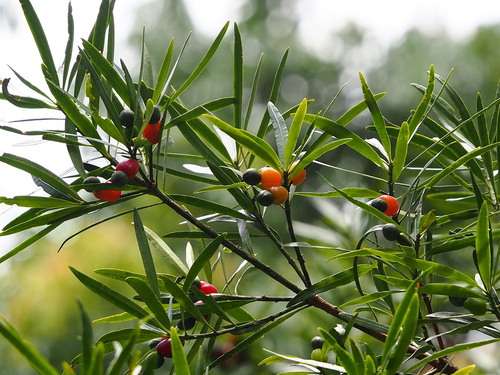
Florida, US
Puedes ver Plum Pines, Hongo De La Miel y Coralbush.
Ver guía →
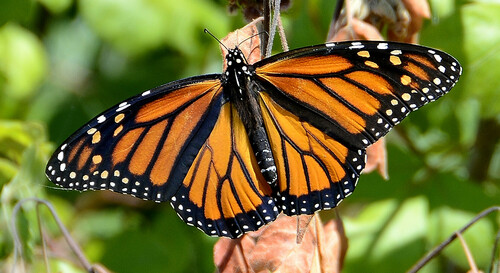
Florida, US
Puedes ver Monarch, Pin-Tailed Pondhawk y Polydamas Swallowtail.
Ver guía →
















