






Satyr Comma
Polygonia satyrus
The Satyr Comma is a beautiful butterfly with orange and brown wings. It has a unique comma-shaped mark on its wings, which helps it blend in with the leaves when resting.
Hábitat: Forests
The Satyr Comma has ragged, angular wings that give it a distinctive outline. Its uppersides are tawny orange with dark spots, while the undersides are mottled brown, expertly mimicking a dead leaf. A small, silvery-white 'comma' mark adorns each hindwing.
Categoría
InsectosRareza
Common
Peligro
1/5 · Muy bajo
Snaps
¡Sé la primera persona en hacer un snap!
It often perches upside down, blending perfectly with bark or branches!
The 'comma' mark on its wing is actually silver, helping with camouflage!
Unlike many butterflies, adults love sipping tree sap and rotting fruit!
Wow, its ragged wing edges aren't damage, they're designed that way!
Satyr Comma has wings that perfectly mimic dead leaves, helping them hide from hungry birds and other predators.
Satyr Comma can hibernate as an adult butterfly through cold winters, emerging to lay eggs in spring.
Satyr Comma can fly with quick, darting movements that make it incredibly difficult for predators to catch.
Nectar, tree sap, and rotting fruit fuel this unique butterfly during its adult life.
Diferencias por edad: Larvae feed on the leaves of host plants, while adults consume sap, fruit, and occasional nectar.
Urtica dioica
Larvae eat its leaves for growth.
Populus tremuloides
Caterpillars feed on its leaves.
Poecile atricapillus
Eats adult butterflies and larvae.
Acer saccharum
Adults sip its fermenting sap.
Los animales solitarios viven solos durante la mayor parte de su vida y solo interactúan con otros para aparearse o cuidar de sus crías.
El camuflaje describe a los organismos que poseen colores o patrones que les permiten mezclarse con su entorno.
Colorido describe a organismos u objetos que exhiben una amplia variedad de colores brillantes y distintivos.
Este rasgo caracteriza a los organismos cuya dieta consiste total o principalmente en material vegetal.

Describe plantas que son particularmente atractivas y beneficiosas para una amplia variedad de organismos polinizadores.

Los hábitats boscosos son entornos terrestres dominados por una densa cubierta arbórea, que sustentan una gran diversidad de vida animal y vegetal.

Los animales diurnos están activos principalmente durante el día y suelen descansar o dormir por la noche.

Describe organismos que transfieren polen, permitiendo la fertilización y reproducción de las plantas.
Todavía no hay alias listados.
Peligro
1/5 · Muy bajo
Butterflies are gentle and safe to watch, but don't try to catch them.
45-64 mm
20-30 mm
30-200 días
20 km/h
Nectar, tree sap, and rotting fruit fuel this unique butterfly during its adult life.
Forests
Foraging
6
Acércate para separar los grupos y explorar dónde se ha fotografiado este objeto.
Los snaps recientes aparecerán aquí a medida que se añadan nuevas observaciones.
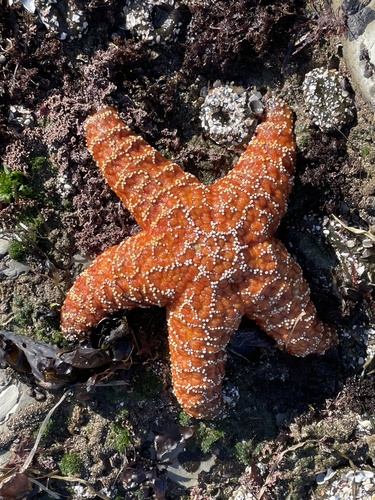
British Columbia, CA
Puedes ver Ochre Sea Star, Fringe Cups y Moonglow Anemone.
Ver guía →
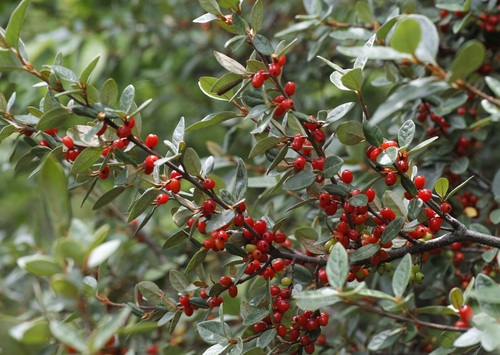
British Columbia, CA
Puedes ver Canadian Buffalo-Berry, Oregon Boxwood y Pacific Trillium.
Ver guía →
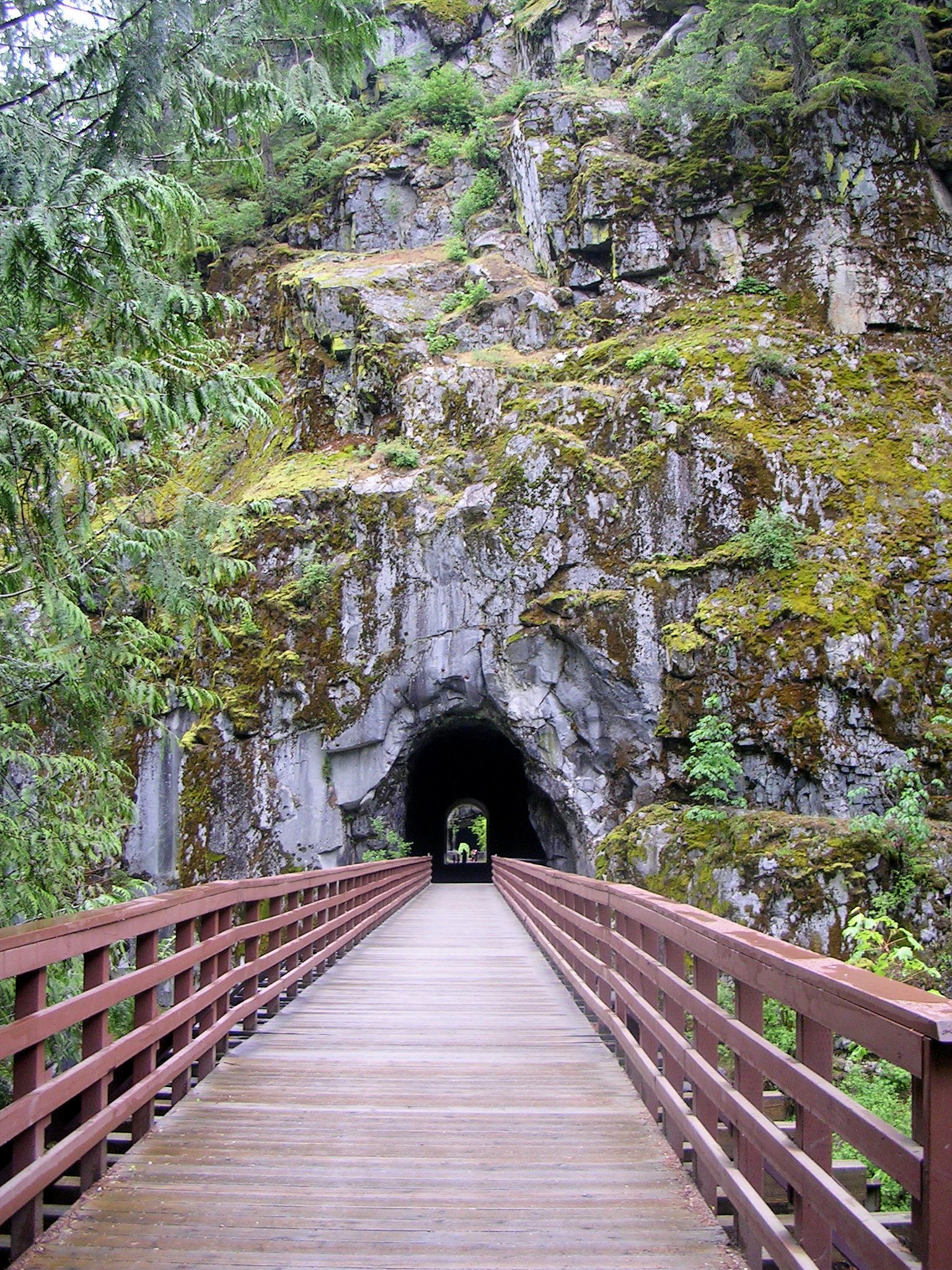
British Columbia, CA
Puedes ver Western Sword Fern, Vine Maple y Thimbleberry.
Ver guía →
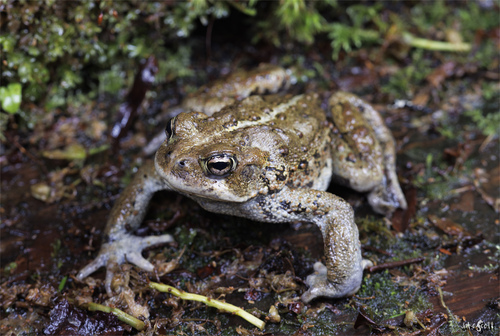
British Columbia, CA
Puedes ver Western Toad, Himalayan Balsam y Western Sword Fern.
Ver guía →

British Columbia, CA
Puedes ver Vine Maple, Orange Honeysuckle y Licorice Fern.
Ver guía →

British Columbia, CA
Puedes ver Green Comma, Mariposa Capa De Luto y Hoary Comma.
Ver guía →




%2C_underside.jpg&width=800)







