






Schoenoplectus Bulrushes
schoenoplectus
Schoenoplectus Bulrushes are tall, grass-like plants that grow in wet areas. They provide homes for many animals and help keep the water clean!
Hábitat: Wetlands, marshes, and along the edges of lakes and rivers.
The Schoenoplectus Bulrushes has tall, smooth, rounded, green-blue stems that grow vertically from the water. Its leaves are often reduced to sheaths at the base, and small brownish flower clusters called spikelets appear near the stem's tip.
Categoría
PlantasRareza
Common
Peligro
0/5 · Sin peligro conocido
Snaps
¡Sé la primera persona en hacer un snap!
Ancient people wove sturdy mats and baskets from bulrush stems!
Bulrush roots help clean dirty water, acting like nature's living filter!
Many marsh birds build cozy, hidden nests deep within bulrush stands!
Some bulrush species have edible starchy rhizomes, a wild snack!
Schoenoplectus Bulrushes can purify water using its extensive root system, which helps clean their watery habitats.
Schoenoplectus Bulrushes has special air canals in its stems to deliver oxygen to its roots, helping it thrive in soggy soil.
Schoenoplectus Bulrushes has tough underground rhizomes that allow it to quickly colonize wet areas and prevent erosion.
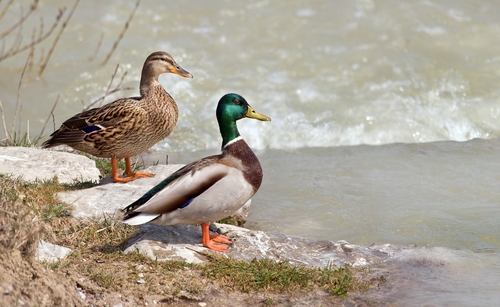
Anas platyrhynchos
Ducks eat the seeds and rhizomes.
Ondatra zibethicus
Muskrats feed on bulrush stems and rhizomes.
Agelaius phoeniceus
Birds build nests within dense bulrush stands.
Hyla versicolor
Amphibians use bulrushes for hiding and hunting.
Los animales sociales viven en grupos organizados, cooperando para obtener beneficios de supervivencia como la búsqueda de alimento, la defensa y la cría de descendencia.
Este rasgo caracteriza a los organismos cuya dieta consiste total o principalmente en material vegetal.
Describe a los organismos que descomponen la materia orgánica muerta, reciclando los nutrientes de vuelta al ecosistema.
Los hábitats costeros son entornos dinámicos situados a lo largo de la interfaz entre la tierra y el mar, influenciados por las mareas, las olas y el agua salada.

Los hábitats acuáticos abarcan entornos donde los organismos viven principalmente en el agua, incluidos océanos, ríos, lagos y humedales.
Peligro
0/5 · Sin peligro conocido
Todavía no hay notas especiales de seguridad.
100-300 cm
30-100 cm
0.5-1.5 cm
Verano
Sí
Ninguna
Perenne
Viento
Acércate para separar los grupos y explorar dónde se ha fotografiado este objeto.
Los snaps recientes aparecerán aquí a medida que se añadan nuevas observaciones.




_Willd._-_white_stopper_(3777295745).jpg&width=800)














