






Sedgesitters
Platycheirus
Sedgesitters are small, friendly insects that love to sit on plants and flowers. They are often found near water and help flowers grow by spreading pollen.
Hábitat: Wetlands
The Sedgesitters is a type of hoverfly with a sleek, somewhat flattened body, often metallic black or dark blue. It has distinctive yellow or orange markings on its abdomen, which can look like stripes or spots, helping it mimic wasps. Its large, dark eyes and clear wings complete its agile appearance.
Categoría
InsectosRareza
Common
Peligro
1/5 · Muy bajo
Snaps
¡Sé la primera persona en hacer un snap!
Even though they look like bees, Sedgesitters can't sting you at all!
Some Sedgesitters can even fly backward or sideways with amazing skill!
Their larvae are secret garden heroes, eating tiny plant-munching pests!
They use their incredible eyesight to spot flowers and mates while flying.
Sedgesitters can look like a wasp or bee because of their bold yellow and black markings, which helps them avoid predators.
Sedgesitters can hover perfectly still in mid-air because of their powerful, rapidly beating wings, allowing them to precisely navigate flowers.
Sedgesitters larvae can consume many garden pests because of their predatory mouthparts, helping keep plants healthy.
Adult Sedgesitters drink nectar and pollen for energy, while their larvae are mighty pest hunters!
Diferencias por edad: Adults feed on nectar and pollen, but their larvae are voracious predators of small plant pests like aphids.
Misumena vatia
Ambush predators on flowers.
_Clock_-_Tennessee%2C_USA_-_May_31%2C_2014.jpg&width=800)
Taraxacum officinale
Helps pollinate common wildflowers.
Aphis fabae
Larvae are key predators of this pest.
Sylvia atricapilla
Common insectivorous garden bird.
Los animales sociales viven en grupos organizados, cooperando para obtener beneficios de supervivencia como la búsqueda de alimento, la defensa y la cría de descendencia.
Colorido describe a organismos u objetos que exhiben una amplia variedad de colores brillantes y distintivos.
Este rasgo caracteriza a los organismos cuya dieta consiste total o principalmente en material vegetal.
Describe plantas que son particularmente atractivas y beneficiosas para una amplia variedad de organismos polinizadores.

Este rasgo de hábitat identifica especies que se encuentran en humedales, que son áreas de tierra saturadas de agua, ya sea permanente o estacionalmente, e incluyen marismas, pantanos y ciénagas.

Los animales diurnos están activos principalmente durante el día y suelen descansar o dormir por la noche.

Describe organismos que transfieren polen, permitiendo la fertilización y reproducción de las plantas.
Todavía no hay alias listados.
Peligro
1/5 · Muy bajo
Sedgesitters are harmless, but it's always good to watch insects from a distance.
10-25 mm
5-12 mm
15-60 días
12 km/h
Adult Sedgesitters drink nectar and pollen for energy, while their larvae are mighty pest hunters!
Wetlands
Foraging
6
Acércate para separar los grupos y explorar dónde se ha fotografiado este objeto.
Los snaps recientes aparecerán aquí a medida que se añadan nuevas observaciones.
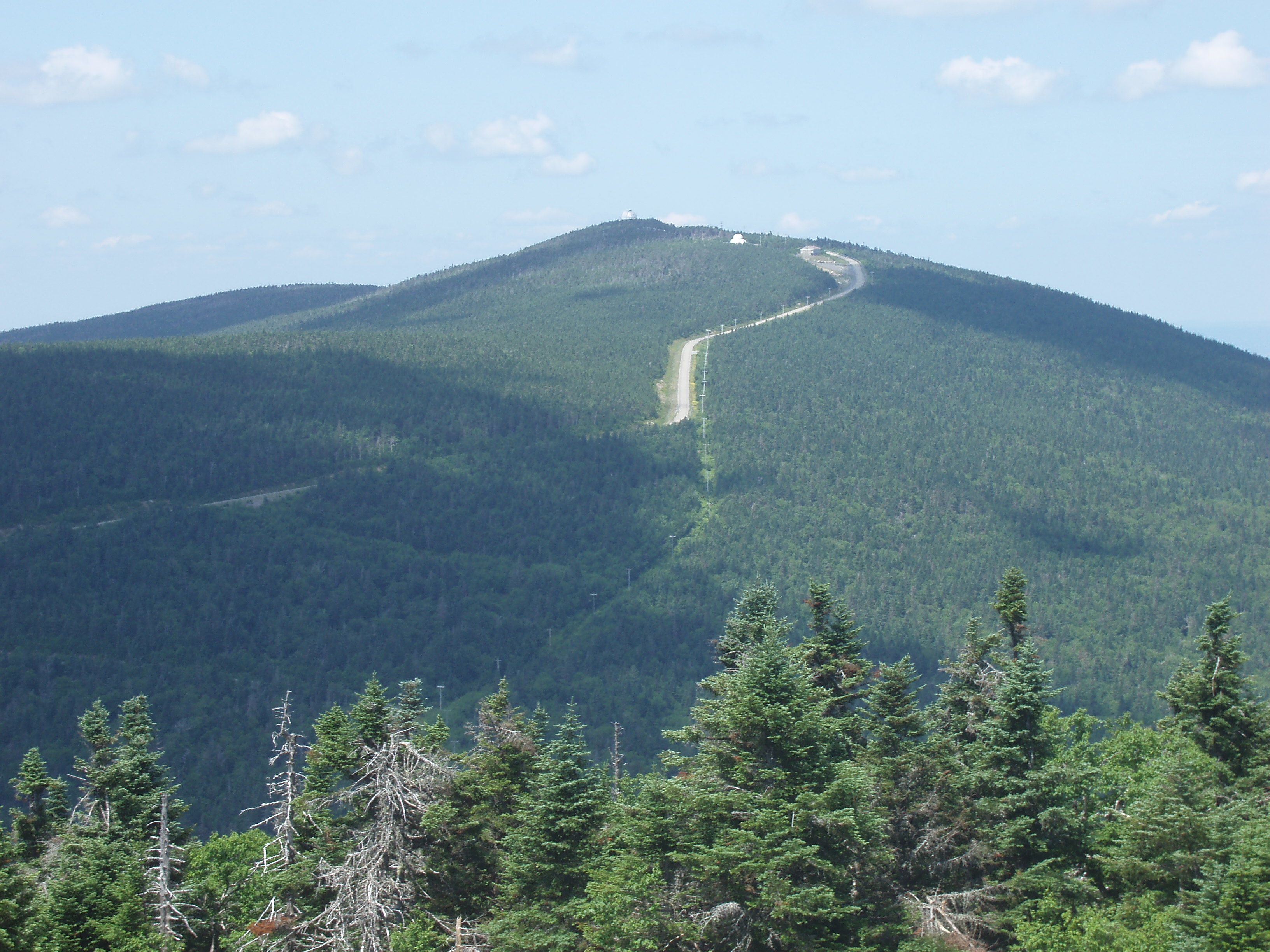
Québec, CA
Puedes ver Canada Jay, Bluebead Lily y Hobblebush.
Ver guía →
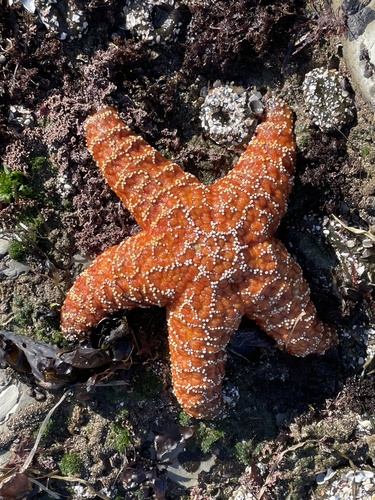
Washington, US
Puedes ver Ochre Sea Star, Purple Shore Crab y Strawberry Tree.
Ver guía →

Pennsylvania, US
Puedes ver New York Fern, Common Milkweed y True Sedges.
Ver guía →












