






Short-billed Gull
Larus brachyrhynchus
The Short-billed Gull is a playful bird that loves to hang out near water. With its short, stubby bill, it can catch tasty fish and snacks from the shore!
Hábitat: Coastal areas
The Short-billed Gull is a medium-sized gull with a clean white head and underparts, a grey back, and grey wings tipped with black. It has greenish-yellow legs and a distinctive short, slender yellow bill, which often shows a subtle dark band.
Categoría
AvesRareza
Common
Peligro
2/5 · Bajo
Snaps
¡Sé la primera persona en hacer un snap!
Baby Short-billed Gulls wear fuzzy, spotted camouflage for hiding from predators.
In winter, their clean white heads turn streaky brown, like a subtle disguise!
Sometimes, they drop clams onto rocks from the air to crack them open!
They stomp their feet on the ground to trick worms into coming up!
Short-billed Gull has keen eyesight that helps them spot tiny fish and insects from high in the sky.
Short-billed Gull has waterproof feathers that keep them warm and dry, even after diving into chilly water.
Short-billed Gull can fly thousands of kilometers using an amazing sense of direction to find their winter homes.
Short-billed Gull can eat many different foods, helping them find meals in various habitats like coasts and fields.
These gulls are expert scavengers and hunters, eating almost anything they can find, from fish to insects!
Haliaeetus leucocephalus
Eagles sometimes prey on adult gulls or steal their food.
Vulpes vulpes
Foxes raid gull nests, preying on eggs and chicks.
Gasterosteus aculeatus
Gulls hunt these small fish in shallow waters.

Vaccinium ovatum
Gulls enjoy eating the sweet berries from these plants.
Describe a los animales, principalmente aves, que poseen una cubierta de plumas.
Se caracteriza por tener los dedos conectados por una membrana, lo que generalmente ayuda a nadar.
Los animales sociales viven en grupos organizados, cooperando para obtener beneficios de supervivencia como la búsqueda de alimento, la defensa y la cría de descendencia.
Las criaturas aéreas pasan una parte importante de su vida en el aire, utilizando el vuelo para diversas actividades como la caza, la migración o la anidación.
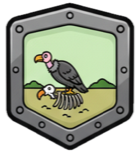
Los carroñeros consumen materia orgánica muerta, ayudando a descomponer los cadáveres y otros desechos en el ecosistema.

Los organismos piscívoros son animales que subsisten principalmente de una dieta a base de peces.
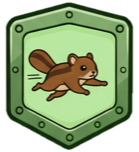
Los animales planeadores se mueven por el aire lanzándose y manteniendo el vuelo con estructuras corporales especializadas, sin batir las alas.

Los hábitats costeros son entornos dinámicos situados a lo largo de la interfaz entre la tierra y el mar, influenciados por las mareas, las olas y el agua salada.

Los animales diurnos están activos principalmente durante el día y suelen descansar o dormir por la noche.
Todavía no hay alias listados.
Peligro
2/5 · Bajo
Always watch gulls from a distance, as they can be protective of their food.
41-49 cm
104-124 cm
0.32-0.55 kg
10-20 años
60 km/h
These gulls are expert scavengers and hunters, eating almost anything they can find, from fish to insects!
Coastal areas
Foraging
Acércate para separar los grupos y explorar dónde se ha fotografiado este objeto.
Los snaps recientes aparecerán aquí a medida que se añadan nuevas observaciones.

Washington, US
Puedes ver Bigleaf Maple, Common Snowberry y Osoberry.
Ver guía →
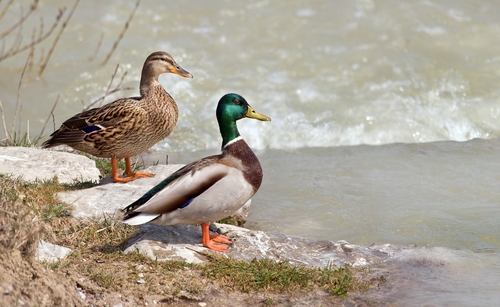
Washington, US
Puedes ver Pato, American Coot y Barnacla Canadiense.
Ver guía →
Washington, US
Puedes ver Pato, American Tuliptree y Garza Azulada.
Ver guía →

British Columbia, CA
Puedes ver águila Calva, Harlequin Duck y Barrow's Goldeneye.
Ver guía →

British Columbia, CA
Puedes ver Salal, Red Huckleberry y Leather Star.
Ver guía →

British Columbia, CA
Puedes ver Salal, Abeto De Douglas y Western Rattlesnake Plantain.
Ver guía →







_-_the_weird_looking_Southern_Screamer_(Chauna_torquata)_-_(24213807344).jpg&width=800)





.jpg&width=800)
