



Sierra Nevada Peavine
Lathyrus nevadensis
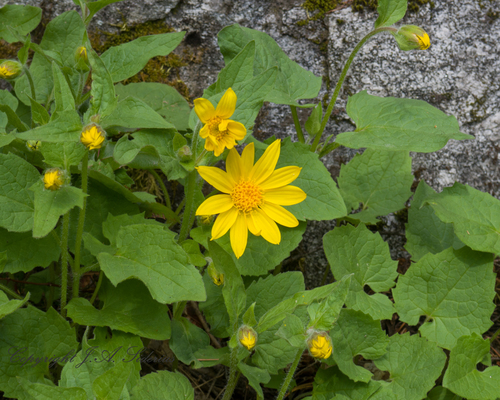
The Sierra Nevada Peavine is a lovely flowering plant that grows in the mountains. It has pretty purple flowers that attract butterflies and bees, making it a special part of nature.
Hábitat: Mountain regions
The Sierra Nevada Peavine is a climbing vine with delicate tendrils that help it grip. It has compound leaves with two to four leaflets and striking pea-like flowers, typically vibrant purplish-pink or magenta, sometimes lighter, clustered at the tips of stems.
Categoría
PlantasRareza
Common
Peligro
1/5 · Muy bajo
Snaps
¡Sé la primera persona en hacer un snap!
Its scientific name, Lathyrus, comes from a Greek word meaning "pea" or "vetch"!
Like beans, this plant can improve soil by adding essential nutrients for other plants!
This wild peavine's seeds look like peas, but are not safe to eat!
Tiny pollen grains from its flowers often hitch rides on the backs of busy bumblebees!
Sierra Nevada Peavine can extend its slender tendrils to grip onto other plants or structures, helping it climb high for sunlight.
This plant has special root nodules that host bacteria, allowing it to "fix" nitrogen from the air and enrich the soil around it.
The Sierra Nevada Peavine develops pea-like pods that burst open when dry, flinging seeds far away to find new places to grow.
Apis mellifera
Gathering nectar and pollen for its hive.
Bombus melanopygus
A native bee that visits its vibrant flowers.
Odocoileus hemionus
Deer browse on its leaves and tender stems.
Rhizobium leguminosarum
Lives in root nodules, converting nitrogen for the plant.
Describe a los organismos capaces de convertir el nitrógeno atmosférico en compuestos utilizables por las plantas.
Las plantas con flores son cualquier planta que produce flores como parte de su ciclo reproductivo.
Las plantas de floración primaveral producen sus flores durante la temporada de primavera, lo que a menudo significa el final del invierno y el comienzo de un nuevo crecimiento.
Las plantas medicinales poseen compuestos químicos que pueden utilizarse con fines terapéuticos para tratar enfermedades o mantener la salud.

Colorido describe a organismos u objetos que exhiben una amplia variedad de colores brillantes y distintivos.

Describe plantas que son particularmente atractivas y beneficiosas para una amplia variedad de organismos polinizadores.

Los hábitats de pastizales son biomas terrestres dominados por pastos y plantas herbáceas, que sustentan a una variedad de animales de pastoreo.

Este rasgo de hábitat identifica a las especies que se encuentran en regiones montañosas, caracterizadas por su gran altitud, pendientes pronunciadas y zonas climáticas variables.

El estado de peligro de extinción indica que una especie corre un riesgo muy alto de extinguirse en estado silvestre en un futuro próximo.
Todavía no hay alias listados.
Peligro
1/5 · Muy bajo
Always look but don't touch plants unless an adult says it's okay.
30-90 cm
45-120 cm
1-2.5 cm
Primavera, Verano
No
Leve
Perenne
Insectos
Acércate para separar los grupos y explorar dónde se ha fotografiado este objeto.
Los snaps recientes aparecerán aquí a medida que se añadan nuevas observaciones.