






Silvery Checkerspot
Chlosyne nycteis
The Silvery Checkerspot is a beautiful butterfly with bright orange and black patterns. It loves to flutter around flowers and is often seen in sunny places during warm months.
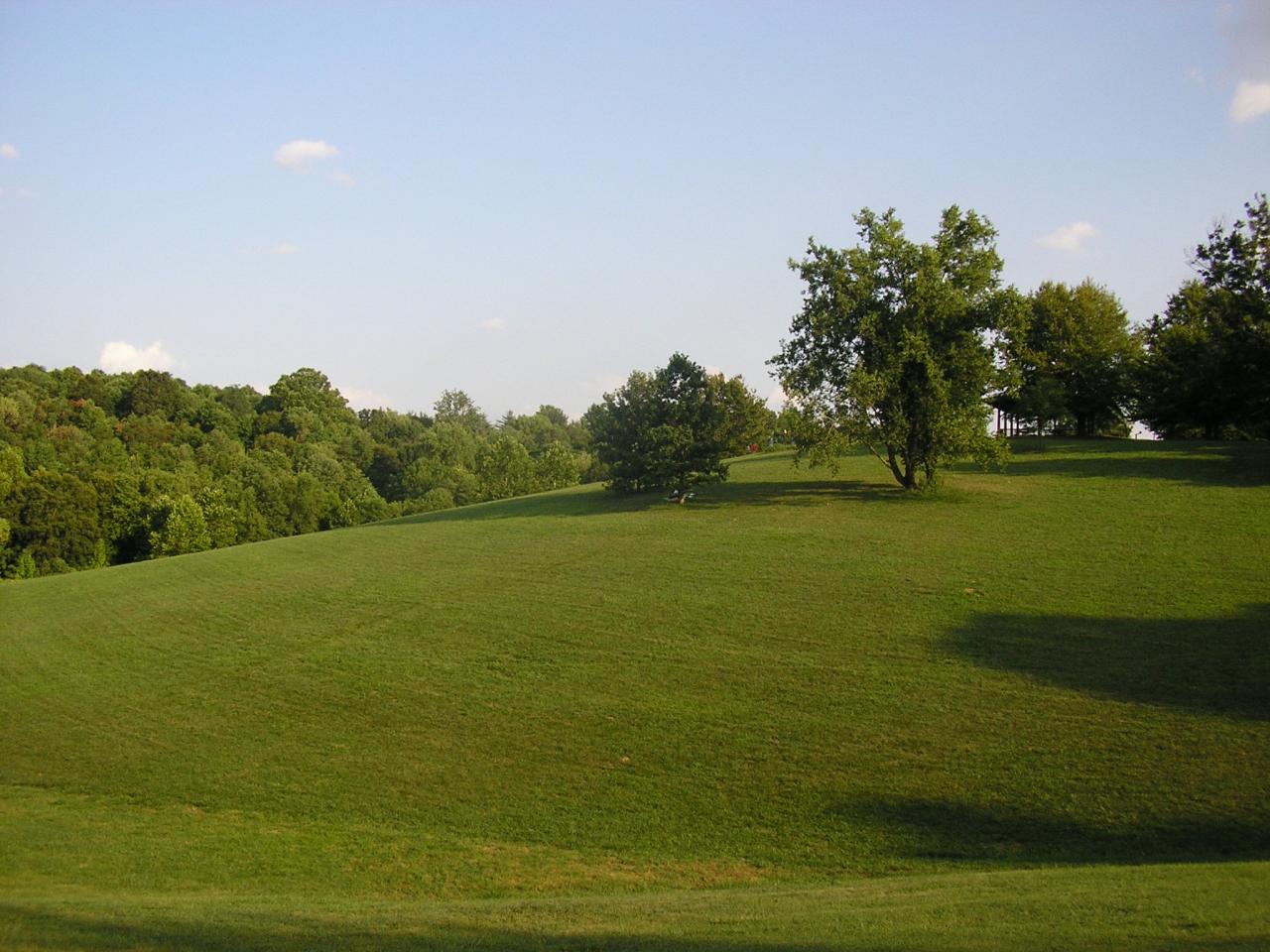
Hábitat: Grasslands
The Silvery Checkerspot has forewings and hindwings adorned with a rich orange-brown and black checkered pattern. Its most distinctive feature is a prominent silvery-white patch on the underside of its hindwing, setting it apart from other checkerspot butterflies.
Categoría
InsectosRareza
Common
Peligro
1/5 · Muy bajo
Snaps
¡Sé la primera persona en hacer un snap!
Adult butterflies love to bask in warm sunny spots.
Its caterpillars wear spiky black coats for protection.
The silvery spot on its wing is like a secret shiny badge!
They taste with their feet to find the best flowers!
Silvery Checkerspot has checkered wings that help it blend into flowery meadows and sunny clearings, making it hard for predators to spot.
Silvery Checkerspot has a long proboscis, like a straw, allowing it to sip sweet nectar from deep inside flowers to gain energy.
Female Silvery Checkerspots can expertly find specific plants, like sunflowers, for their caterpillars to munch on and grow.
Adults sip nectar from wildflowers; caterpillars munch on leaves like sunflowers and asters.
Diferencias por edad: Larvae eat plant leaves, while adults only drink flower nectar.

Asclepias syriaca
collects nectar and helps these plants reproduce.
.jpg&width=800)
Tyrannus tyrannus
a quick bird that can snatch butterflies mid-flight.
Helianthus annuus
its caterpillars need sunflower leaves to grow big and strong.
Anolis carolinensis
a small lizard that preys on insects like butterflies.
Los animales solitarios viven solos durante la mayor parte de su vida y solo interactúan con otros para aparearse o cuidar de sus crías.
El camuflaje describe a los organismos que poseen colores o patrones que les permiten mezclarse con su entorno.
Colorido describe a organismos u objetos que exhiben una amplia variedad de colores brillantes y distintivos.
Este rasgo caracteriza a los organismos cuya dieta consiste total o principalmente en material vegetal.

Describe plantas que son particularmente atractivas y beneficiosas para una amplia variedad de organismos polinizadores.

Los hábitats de pastizales son biomas terrestres dominados por pastos y plantas herbáceas, que sustentan a una variedad de animales de pastoreo.

Los animales diurnos están activos principalmente durante el día y suelen descansar o dormir por la noche.

Describe organismos que transfieren polen, permitiendo la fertilización y reproducción de las plantas.
Todavía no hay alias listados.
Peligro
1/5 · Muy bajo
Always watch butterflies from a distance and don't try to catch them.
35-50 mm
10-20 mm
10-20 días
15 km/h
Adults sip nectar from wildflowers; caterpillars munch on leaves like sunflowers and asters.
Grasslands
Foraging
6
Acércate para separar los grupos y explorar dónde se ha fotografiado este objeto.
Los snaps recientes aparecerán aquí a medida que se añadan nuevas observaciones.





.jpg&width=800)



_Figure_1_b.jpeg&width=800)
.jpg&width=800)
