






small camas
Camassia quamash
Small camas is a pretty flower that grows in fields and meadows. It has bright blue petals and is loved by bees and butterflies. These flowers bloom in spring and are a special sight in nature!
Hábitat: Grasslands
The small camas has tall, slender stalks topped with clusters of star-shaped flowers, usually a vibrant lavender-blue or white. Its narrow, grass-like leaves emerge from the base, making it visually distinct from its showy blooms.
Categoría
PlantasRareza
Common
Peligro
1/5 · Muy bajo
Snaps
¡Sé la primera persona en hacer un snap!
After wildfires, dormant camas bulbs can quickly sprout, helping to reseed and restore burned areas!
Each stalk can have dozens of beautiful, individual flowers, but each one only lasts about a day!
Its edible bulb looks just like the deadly poisonous 'death camas' bulb – so don't eat it raw!
Native Americans widely harvested and roasted camas bulbs, often in huge underground ovens!
Small camas has a deep underground bulb that stores energy, helping it survive fires and harsh winters.
Small camas can thrive in wet meadows and prairies, adapting its roots to various soil moistures.
Small camas clusters many vibrant, star-shaped flowers to create a bright target for busy insect pollinators.
Apis mellifera
Attracted to the nectar.

Marmota flaviventris
Bulbs are dug up.
Cervus canadensis
Bulbs and foliage.
Las plantas con flores son cualquier planta que produce flores como parte de su ciclo reproductivo.
Las flores en racimo son inflorescencias donde las flores individuales están dispuestas muy juntas en un tallo común.
Las plantas de floración primaveral producen sus flores durante la temporada de primavera, lo que a menudo significa el final del invierno y el comienzo de un nuevo crecimiento.
Las flores fragantes emiten un aroma agradable, a menudo para atraer polinizadores o como defensa.

Las plantas comestibles son aquellas partes de una planta que se consideran seguras para el consumo humano.

Describe plantas que son particularmente atractivas y beneficiosas para una amplia variedad de organismos polinizadores.

Los hábitats de pastizales son biomas terrestres dominados por pastos y plantas herbáceas, que sustentan a una variedad de animales de pastoreo.
Todavía no hay alias listados.
Peligro
1/5 · Muy bajo
Do not eat any wild plants unless you are sure they are safe and have permission from an adult.
20-60 cm
10-20 cm
2-5 cm
Late spring to early summer
Sí
Ninguna
Perenne
Insectos
Acércate para separar los grupos y explorar dónde se ha fotografiado este objeto.
Los snaps recientes aparecerán aquí a medida que se añadan nuevas observaciones.
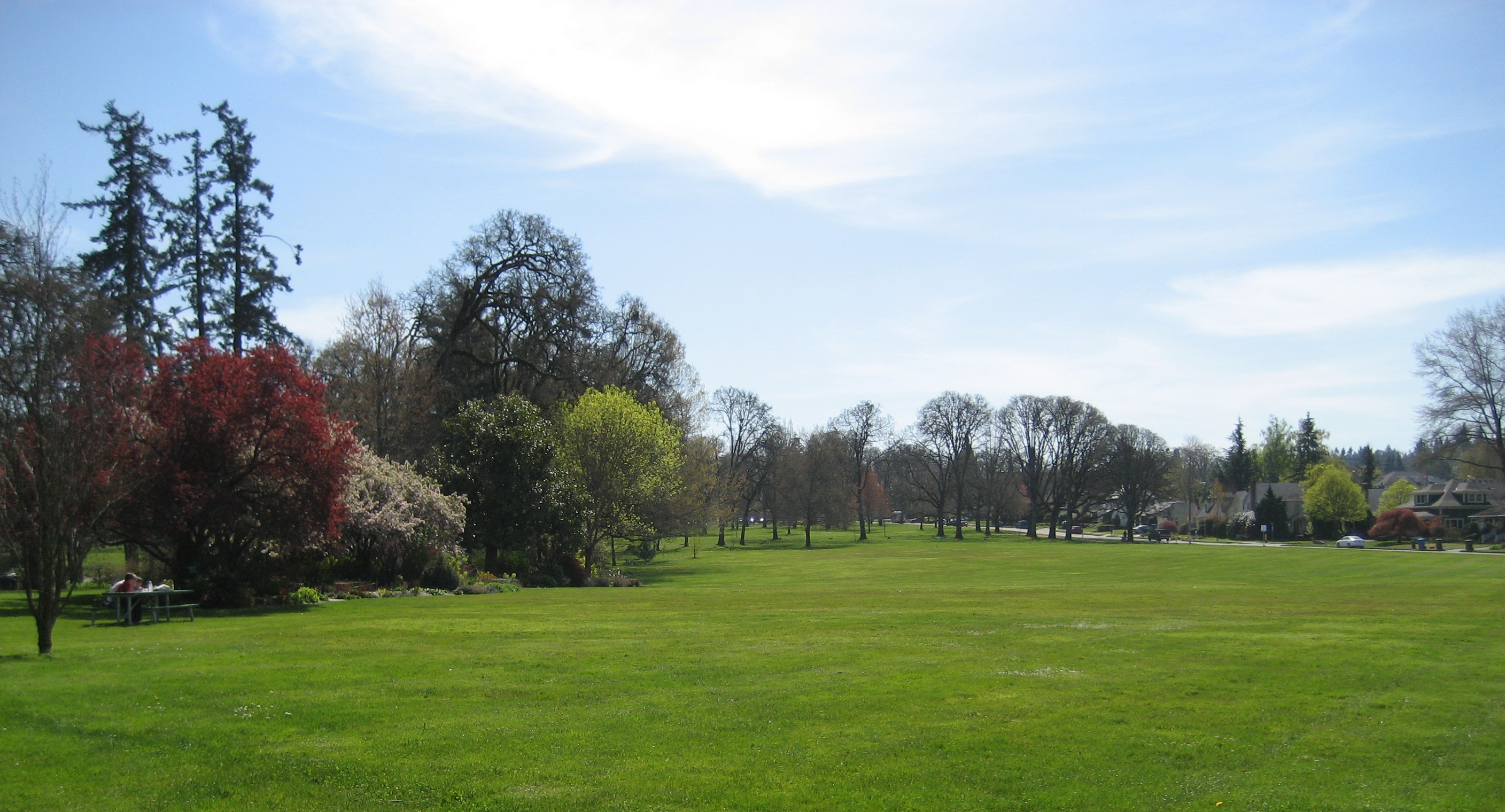
Oregon, US
Puedes ver Oregon Oak, Douglas's Ground Squirrel y Ardilla Gris Oriental.
Ver guía →

Washington, US
Puedes ver Zorro Rojo, Ghost Pipe y Zarzamora.
Ver guía →











_Viola_arvensis_-_White_flower.jpg&width=800)




