



Sonoma Chipmunk
Neotamias sonomae
The Sonoma Chipmunk is a small, striped animal that loves to scurry around in the forests. They have big cheeks that they fill with food to take back to their burrows!
Hábitat: Forests
The Sonoma Chipmunk has reddish-brown fur with five dark stripes along its back, separated by lighter, grayish-white stripes. It also features two dark and three light stripes on its face, which helps distinguish it from similar chipmunk species. Its belly is whitish, and its bushy tail is reddish-brown.
Categoría
MamíferosRareza
Common
Peligro
1/5 · Muy bajo
Snaps
¡Sé la primera persona en hacer un snap!
Despite their small size, they can survive cold winters by going into a deep sleep called torpor!
Sonoma Chipmunks 'chatter' loudly to warn others about danger, like a secret forest alarm system!
They sometimes eat yummy mushrooms, helping spread their spores and grow more fungi in the forest!
This tiny chipmunk digs complex underground tunnels with different rooms for sleeping and storing food!
Sonoma Chipmunk can stuff its large cheek pouches with seeds and nuts that helps them carry lots of food to their underground pantries.
Sonoma Chipmunk has incredible climbing skills and speed that helps them quickly escape predators by scrambling up trees and rocks.
Sonoma Chipmunk can bury seeds for later meals that helps new plants grow by sometimes forgetting where some are hidden.
A tiny omnivore, it enjoys seeds, nuts, fruits, fungi, and even some insects!
Accipiter cooperii
A swift raptor that hunts small mammals in forested areas.
Crotalus oreganus
An ambush predator that preys on rodents in its habitat.

Quercus agrifolia
Eats acorns and uses the tree for shelter and foraging.
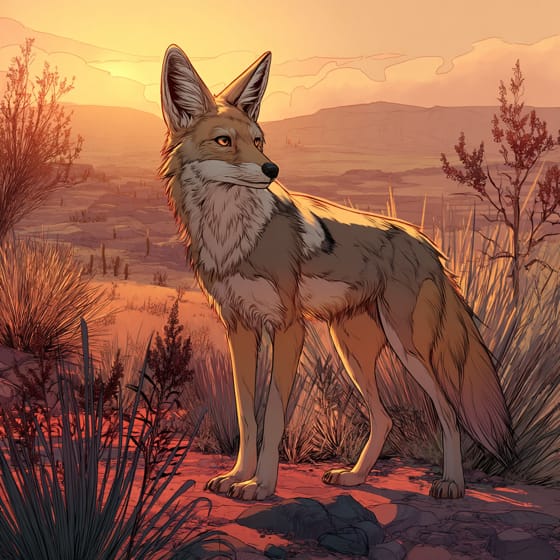
Canis latrans
A common predator in the chipmunk's woodland environment.
Peludo describe a los animales que poseen una cubierta densa de pelo o pelaje suave.
Marcado con bandas paralelas o líneas de color.
Los animales sociales viven en grupos organizados, cooperando para obtener beneficios de supervivencia como la búsqueda de alimento, la defensa y la cría de descendencia.
Este rasgo identifica organismos cuya dieta incluye tanto materia vegetal como animal.

Los animales arborícolas viven principalmente en los árboles, utilizándolos como refugio, alimento y protección contra los depredadores.

Los animales excavadores cavan túneles y cámaras en el suelo y utilizan estas estructuras subterráneas para refugiarse, cazar o reproducirse.

Los hábitats boscosos son entornos terrestres dominados por una densa cubierta arbórea, que sustentan una gran diversidad de vida animal y vegetal.

Los animales diurnos están activos principalmente durante el día y suelen descansar o dormir por la noche.
Todavía no hay alias listados.
Peligro
1/5 · Muy bajo
Watch from a distance and don't try to catch them; they are wild animals.
19-24 cm
0.05-0.07 kg
2-5 años
18 km/h
A tiny omnivore, it enjoys seeds, nuts, fruits, fungi, and even some insects!
Forests
Foraging
3-7
Acércate para separar los grupos y explorar dónde se ha fotografiado este objeto.
Los snaps recientes aparecerán aquí a medida que se añadan nuevas observaciones.