






Sooty Grouse
Dendragapus fuliginosus
The Sooty Grouse is a large bird that loves to live in the forests of the western United States. They have beautiful dark feathers and are known for their unique calls that sound like a soft whistle.
Hábitat: Forests
The Sooty Grouse is a robust, chicken-like bird with a short, stout beak. Males are mostly dark bluish-gray with a bright yellow comb over each eye and a purple-red air sac on their throat. Females are mottled brown and gray, providing excellent camouflage in their forest habitat.
Categoría
AvesRareza
Common
Peligro
1/5 · Muy bajo
Snaps
¡Sé la primera persona en hacer un snap!
Male Sooty Grouse puff out air sacs on their neck to make loud "hoots" during courtship!
Their diet changes so much that young grouse can't eat the same foods as their parents!
They can survive freezing winters by burrowing into the snow for warmth and shelter!
Unlike many birds, female Sooty Grouse often nest directly on the forest floor, well hidden.
Sooty Grouse can produce a deep, low-frequency hooting call using special throat sacs that carries far through dense forests.
Sooty Grouse has intricately patterned plumage that helps them blend perfectly into the forest floor or tree bark, avoiding predators.
Sooty Grouse can launch into a rapid, powerful flight from a standstill, quickly escaping danger by bursting through trees.
Sooty Grouse can digest tough conifer needles, a unique ability that allows them to find food even in harsh winter conditions.
Sooty Grouse mainly munch on conifer needles, buds, and berries, especially in winter!
Diferencias por edad: Young grouse eat insects and greens; adults switch almost entirely to conifer needles.
Bubo virginianus
Predator of eggs, chicks, and adult grouse.
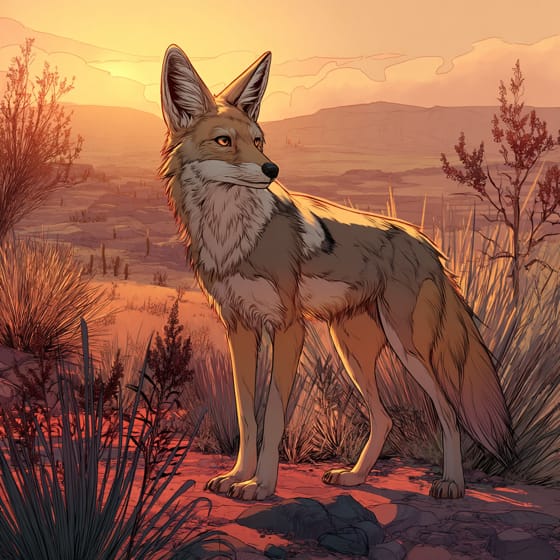
Canis latrans
Hunts grouse on the forest floor, especially nests.
Pseudotsuga menziesii
Needles are a primary winter food source for grouse.

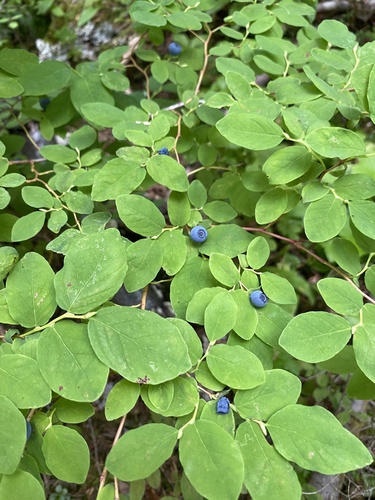
Vaccinium parvifolium
Berries are an important summer and fall food for grouse.
Describe a los animales, principalmente aves, que poseen una cubierta de plumas.
Los animales sociales viven en grupos organizados, cooperando para obtener beneficios de supervivencia como la búsqueda de alimento, la defensa y la cría de descendencia.
Los animales cantores producen vocalizaciones complejas, a menudo con el propósito de atraer parejas, defender el territorio o comunicarse dentro de su especie.
El camuflaje describe a los organismos que poseen colores o patrones que les permiten mezclarse con su entorno.

Este rasgo caracteriza a los organismos cuya dieta consiste total o principalmente en material vegetal.

Los hábitats boscosos son entornos terrestres dominados por una densa cubierta arbórea, que sustentan una gran diversidad de vida animal y vegetal.

Los animales diurnos están activos principalmente durante el día y suelen descansar o dormir por la noche.
Peligro
1/5 · Muy bajo
Enjoy watching birds from a distance and don't try to catch them.
40-58 cm
65-75 cm
0.8-1.4 kg
3-8 años
80 km/h
Sooty Grouse mainly munch on conifer needles, buds, and berries, especially in winter!
Forests
Foraging
Acércate para separar los grupos y explorar dónde se ha fotografiado este objeto.
Los snaps recientes aparecerán aquí a medida que se añadan nuevas observaciones.

Washington, US
Puedes ver Lagartija Espinosa Del Oeste y Ciervo Mulo.
Ver guía →

British Columbia, CA
Puedes ver Canada Jay, Pink Mountainheath y Yellow-Pine Chipmunk.
Ver guía →

British Columbia, CA
Puedes ver Western Rattlesnake Plantain, Fairy-Slipper y Serpentine Fern.
Ver guía →
British Columbia, CA
Puedes ver Oval-Leaf Blueberry, Columbia Lily y Green False Hellebore.
Ver guía →

British Columbia, CA
Puedes ver White Pasqueflower, Columbian Ground Squirrel y Oso Negro.
Ver guía →

Washington, US
Puedes ver Cascade Oregon-Grape, Abeto De Douglas y Salal.
Ver guía →













