Red Huckleberry
Vaccinium parvifolium
The Red Huckleberry is a small shrub that grows bright red berries. These tasty berries are loved by birds and people alike, making it a fun plant to discover in the wild!
Hábitat: Forests
The Red Huckleberry is a slender shrub with bright green, oval leaves that often appear somewhat flattened. Its distinctive feature is its small, translucent, ruby-red berries hanging like tiny jewels from the branches, contrasting with the vibrant foliage.
Categoría
PlantasRareza
Common
Peligro
1/5 · Muy bajo
Snaps
¡Sé la primera persona en hacer un snap!
Indigenous peoples traditionally used these berries for food and medicine for centuries!
Its leaves turn fiery red and orange in the fall before dropping off!
The tiny red berries are super juicy, bursting with a tart, sweet flavor!
This plant can grow on old mossy logs and even high up in trees!
Red Huckleberry can regrow quickly after fires or damage, thanks to its tough underground stems.
Red Huckleberry can sometimes grow on mossy logs or tree trunks, absorbing nutrients from decaying matter.
Red Huckleberry has adapted to thrive in the dim light of dense forests, growing where many others can't.
Ursus americanus
eats its sweet, tart berries.
Turdus migratorius
feasts on the small red fruit.
Bombus vosnesenskii
collects nectar and pollen from flowers.
Odocoileus hemionus
browses on its leaves and twigs.
Las plantas caducifolias pierden periódicamente todas sus hojas, por lo general durante el otoño o las estaciones secas.
Un arbusto es una planta leñosa más pequeña que un árbol, típicamente con múltiples tallos que se ramifican desde o cerca del suelo.
Las plantas tolerantes a la sombra están adaptadas para crecer y prosperar en áreas con bajos niveles de luz, requiriendo menos luz solar directa.
Las plantas frutales producen frutos, que son los ovarios maduros de las plantas con flores que contienen semillas.

Las plantas comestibles son aquellas partes de una planta que se consideran seguras para el consumo humano.

Los hábitats boscosos son entornos terrestres dominados por una densa cubierta arbórea, que sustentan una gran diversidad de vida animal y vegetal.
Peligro
1/5 · Muy bajo
Always check with an adult before eating any berries you find in nature.
50-400 cm
50-200 cm
0.4-0.6 cm
Late Spring to Early Summer
Sí
Ninguna
Perenne
Insectos
Acércate para separar los grupos y explorar dónde se ha fotografiado este objeto.
Los snaps recientes aparecerán aquí a medida que se añadan nuevas observaciones.

British Columbia, CA
Puedes ver Western Sword Fern, Abeto De Douglas y Red Huckleberry.
Ver guía →

British Columbia, CA
Puedes ver Babosa Banana, Western Sword Fern y Red Huckleberry.
Ver guía →
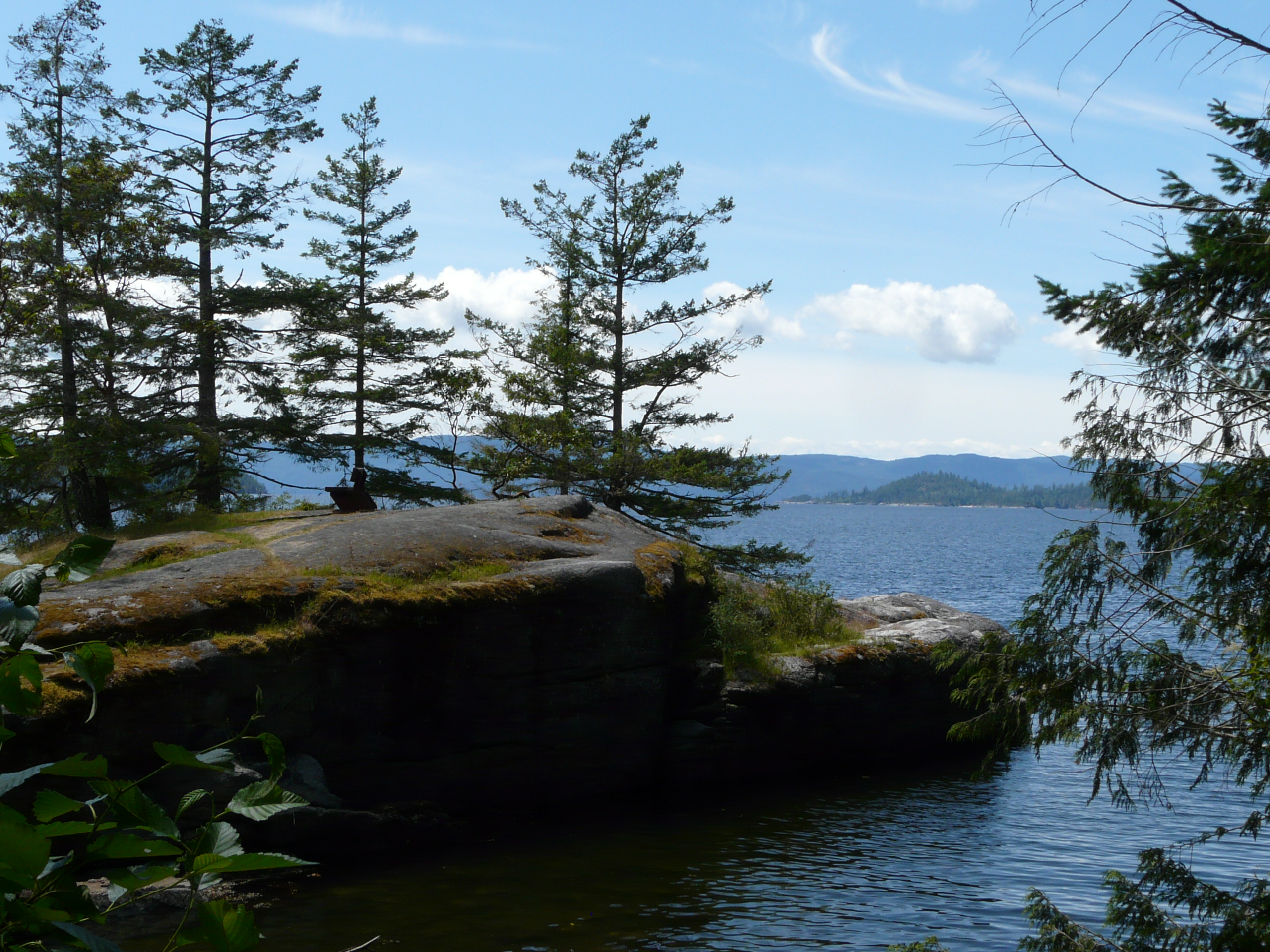
British Columbia, CA
Puedes ver Ochre Sea Star y Yellow Shore Crab.
Ver guía →
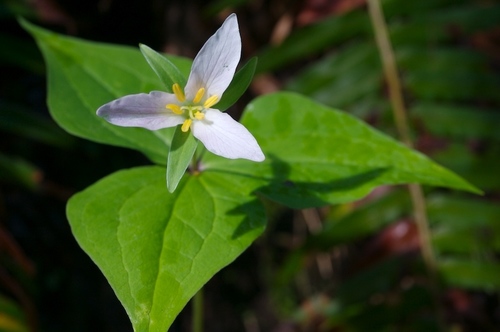
British Columbia, CA
Puedes ver Pacific Trillium, Vanilla Leaf y Japanese Knotweed.
Ver guía →

British Columbia, CA
Puedes ver Western Sword Fern, Cascade Oregon-Grape y Ocean Spray.
Ver guía →
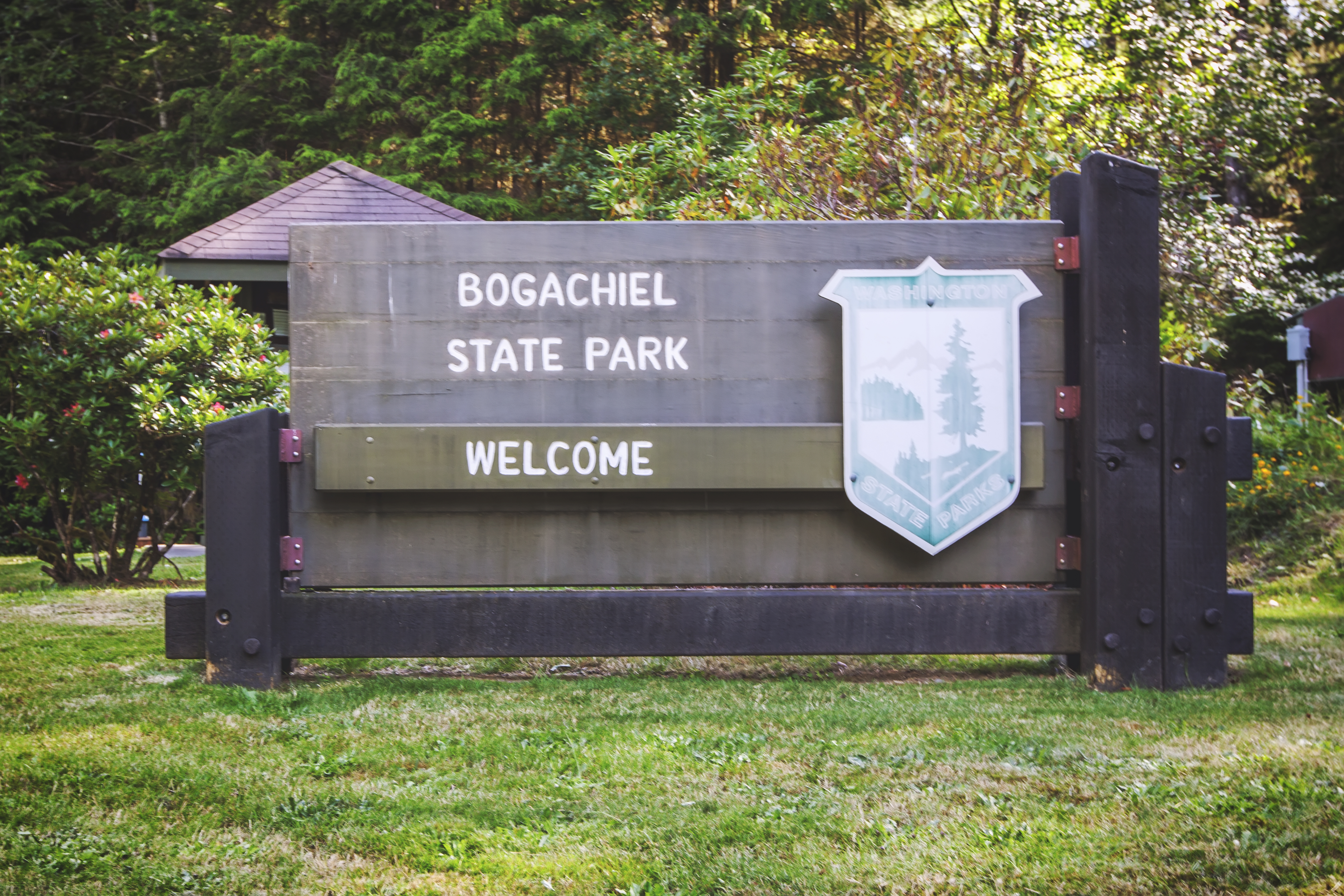
Washington, US
Puedes ver Babosa Banana, Black Slug y Salmonberry.
Ver guía →