_(6-22-10)_canet_rd%2C_morro_bay%2C_slo_co%2CCA_-1_(4747274015).jpg&width=800)





Southern Alligator Lizard
Elgaria multicarinata
The Southern Alligator Lizard is a fun little reptile that loves to bask in the sun. With its long body and cool scales, it can often be found in gardens or under rocks.
Hábitat: Urban areas
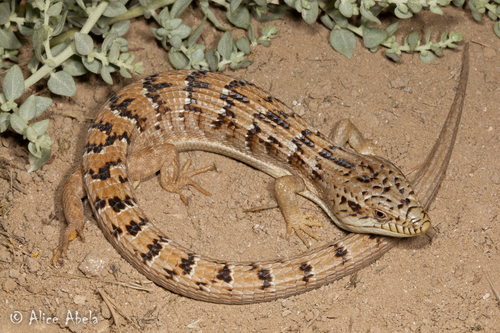
The Southern Alligator Lizard has a long, slender body with short legs and a long tail. Its overlapping, keeled scales are typically brown, grey, or olive, often with darker crossbands. A distinct fold of skin runs along each side of its body, and its belly is usually pale yellow.
Categoría
ReptilesRareza
Common
Peligro
1/5 · Muy bajo
Snaps
¡Sé la primera persona en hacer un snap!
Despite their name, Southern Alligator Lizards are not related to alligators at all!
Some females can store sperm for months to fertilize eggs later, how cool is that?
These lizards can live in gardens, helping control pests like slugs and snails!
They can 'play dead' when threatened, lying still until danger passes, wow!
Southern Alligator Lizard can drop its wiggling tail to distract predators, which helps them make a quick getaway!
Southern Alligator Lizard has a unique skin fold along its sides that helps them expand to eat larger meals or carry eggs.
Southern Alligator Lizard has strong jaws that help them crush exoskeletons of insects and hold onto squirming prey.
Southern Alligator Lizard can climb well using sharp claws and scaly skin, which helps them scale trees and rocks for hunting.
These carnivorous lizards eat a variety of insects, spiders, and even small rodents or other lizards.
Pituophis catenifer
Snakes hunt these lizards for a meal.
Gryllus bimaculatus
The lizard actively preys on many types of insects.

Helix aspersa
A common garden pest that these lizards enjoy eating.
Los animales arborícolas viven principalmente en los árboles, utilizándolos como refugio, alimento y protección contra los depredadores.
El camuflaje describe a los organismos que poseen colores o patrones que les permiten mezclarse con su entorno.
Este rasgo identifica a los organismos cuya dieta consiste principalmente en insectos y otros pequeños invertebrados.
Este rasgo identifica a los organismos cuya dieta consiste total o principalmente en tejido animal.

Los animales diurnos están activos principalmente durante el día y suelen descansar o dormir por la noche.
Los organismos regenerativos poseen la capacidad de volver a desarrollar partes del cuerpo, tejidos u órganos perdidos o dañados.

Esta característica de hábitat indica especies que pueden coexistir con los humanos en entornos urbanos y suburbanos, utilizando estructuras artificiales y espacios verdes.
Todavía no hay alias listados.
Peligro
1/5 · Muy bajo
If you see one, watch it from a distance and don't try to touch it.
15-50 cm
0.01-0.1 kg
5-10 años
10 km/h
These carnivorous lizards eat a variety of insects, spiders, and even small rodents or other lizards.
Urban areas
Ambush
5-20
Acércate para separar los grupos y explorar dónde se ha fotografiado este objeto.
Los snaps recientes aparecerán aquí a medida que se añadan nuevas observaciones.
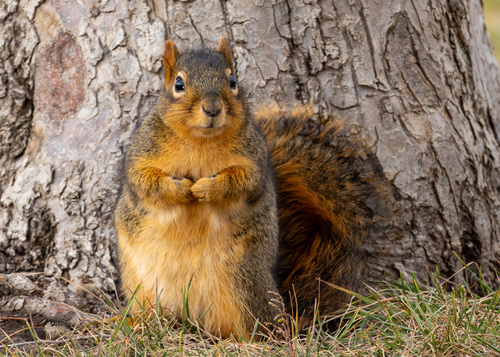
California, US
Puedes ver Eastern Fox Squirrel, Cuervo Común y Paloma Huilota.
Ver guía →

California, US
Puedes ver California Wild Rose, California Wild Grape y Blue Elder.
Ver guía →
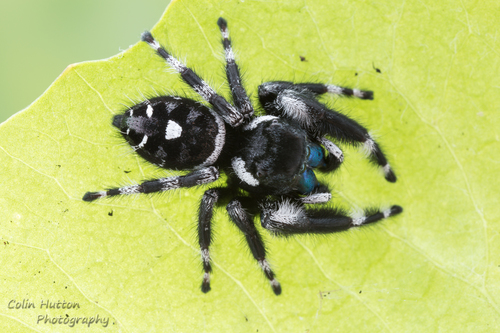
California, US
Puedes ver Bold Jumping Spider, Marbled Cellar Spider y Black Phoebe.
Ver guía →
.jpg)
California, US
Puedes ver California Phacelia, Twinberry Honeysuckle y Coast Paintbrush.
Ver guía →
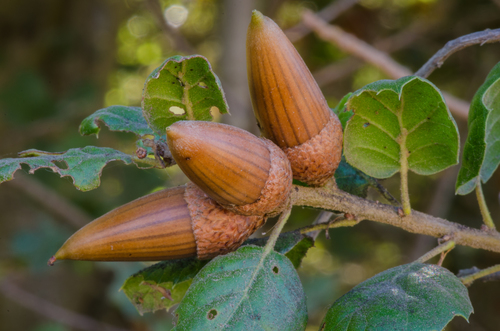
California, US
Puedes ver Coast Live Oak, Lesser Goldfinch y California Scrub-Jay.
Ver guía →
California, US
Puedes ver Southern Alligator Lizard, Grasses y Catchweed Bedstraw.
Ver guía →