Southern Toad
Anaxyrus terrestris
The Southern Toad is a small, bumpy toad that loves to hop around in the warm sun. They have a special call that sounds like a musical trill, especially during rainy nights.
Hábitat: Wetlands
The Southern Toad is typically brown, gray, or reddish with dark spots and often has a distinct light stripe down its back. It has warty, dry skin and two large, prominent glands behind its eyes, which distinguish it from many frogs.
Categoría
AnfibiosRareza
Common
Peligro
1/5 · Muy bajo
Snaps
¡Sé la primera persona en hacer un snap!
A group of Southern Toads hanging out together is surprisingly called a "knot" of toads.
Males have a super loud, trilling "werrrr" call to attract mates from far away.
Southern Toads swallow food by pulling their eyeballs inward to help push it down!
Unlike us, these toads absorb all the water they need right through their skin!
Southern Toads have special glands behind their eyes that squirt a bad-tasting poison to warn off predators.
Southern Toads can dig themselves backward into the soil with their strong hind legs to hide from danger or stay cool.
Southern Toads can subtly change their skin color to better match their surroundings, helping them hide from sharp-eyed predators.
Southern Toads can shoot out their long, sticky tongue incredibly fast to snatch up insects and other small prey.
These toads are expert insect hunters, using their sticky tongues to catch all sorts of small critters.
Diferencias por edad: Tadpoles eat algae and plant bits, but adults are hunters of insects and small invertebrates.
Thamnophis sirtalis
Common Garter Snakes frequently prey on Southern Toads and their young.
Procyon lotor
Raccoons often hunt and eat toads they find foraging at night.
Gryllus assimilis
Southern Toads frequently catch and eat field crickets using their sticky tongues.

Arion ater
Slugs, like the black slug, are a common food source for these toads.
Los animales solitarios viven solos durante la mayor parte de su vida y solo interactúan con otros para aparearse o cuidar de sus crías.
Los animales cantores producen vocalizaciones complejas, a menudo con el propósito de atraer parejas, defender el territorio o comunicarse dentro de su especie.
El camuflaje describe a los organismos que poseen colores o patrones que les permiten mezclarse con su entorno.
Este rasgo identifica a los organismos cuya dieta consiste principalmente en insectos y otros pequeños invertebrados.

Este rasgo de hábitat identifica especies que se encuentran en humedales, que son áreas de tierra saturadas de agua, ya sea permanente o estacionalmente, e incluyen marismas, pantanos y ciénagas.

Este rasgo caracteriza a los organismos con una esperanza de vida excepcionalmente larga en comparación con otros de su especie.

Los organismos venenosos producen toxinas que pueden causar daño si se ingieren, inhalan o absorben por contacto.

Los animales nocturnos están principalmente activos durante la noche, y suelen descansar o dormir durante el día.
Peligro
1/5 · Muy bajo
Always wash your hands after touching a toad, as their skin can be sensitive.
5-11 cm
0.02-0.07 kg
5-10 años
2 km/h
These toads are expert insect hunters, using their sticky tongues to catch all sorts of small critters.
Wetlands
Ambush
2000-4000
Acércate para separar los grupos y explorar dónde se ha fotografiado este objeto.
Los snaps recientes aparecerán aquí a medida que se añadan nuevas observaciones.
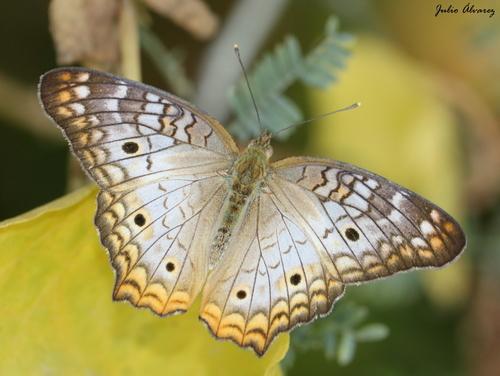
Florida, US
Puedes ver White Peacock, Trailing Daisy y Garza Azulada.
Ver guía →
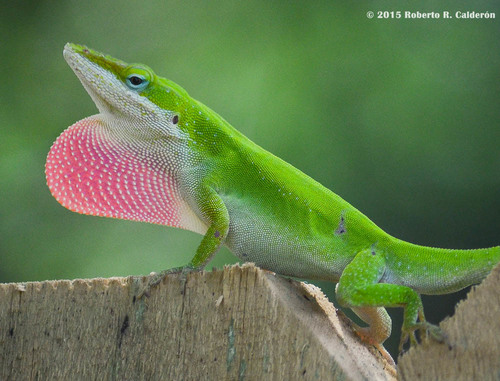
Florida, US
Puedes ver Anolis Verde, Common Gallinule y White Beggarticks.
Ver guía →

Florida, US
Puedes ver Cangrejo Azul, Mono Aullador y Visayan Warty Pig.
Ver guía →
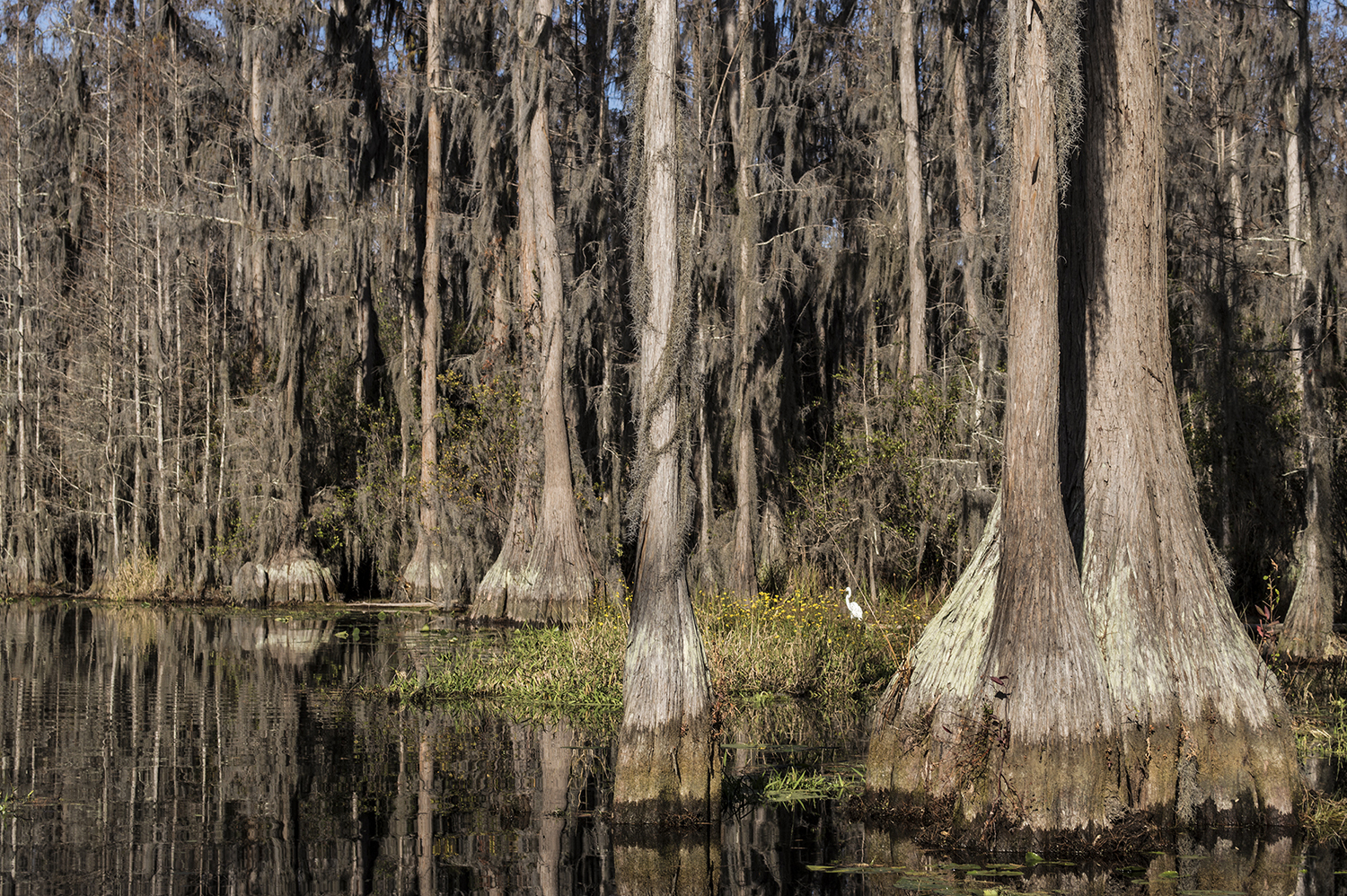
Georgia, US
Puedes ver Caimán Americano, Ciervo De Cola Blanca y Anolis Verde.
Ver guía →
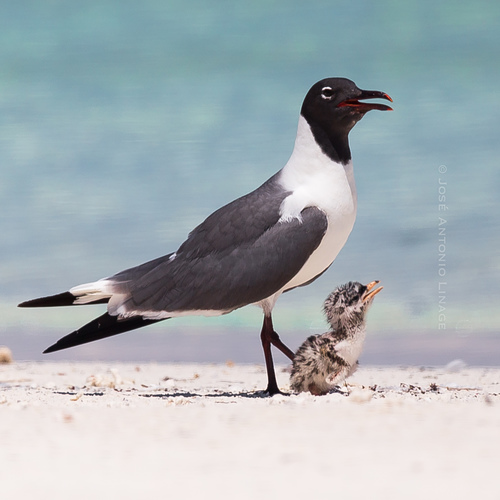
Florida, US
Puedes ver Laughing Gull, Saw Palmetto y Garza Azulada.
Ver guía →
Florida, US
Puedes ver Anolis Castaño, Southern Live Oak y Resurrection Fern.
Ver guía →