






Spineless Yucca
yucca gigantea
The Spineless Yucca is a tall, unique plant that loves the warm sun! Its long, green leaves grow like a big, friendly fan and it can even produce beautiful white flowers!
Hábitat: It lives in deserts and dry areas, especially in the southwestern United States.
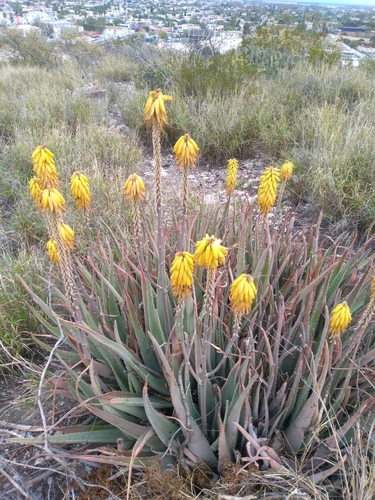
The Spineless Yucca is a tree-like plant with a thick trunk that often branches. It has many long, glossy green, strap-like leaves growing in rosettes, completely lacking sharp spines. Tall stalks of creamy white, bell-shaped flowers emerge from the center.
Categoría
PlantasRareza
Common
Peligro
0/5 · Sin peligro conocido
Snaps
¡Sé la primera persona en hacer un snap!
Despite its common name, some older plants can develop slightly rough leaf edges.
Its trunk can grow so wide, it looks like an elephant's foot, giving it another nickname!
The Spineless Yucca can live for many decades, becoming a grand centerpiece in gardens.
Yucca flowers taste a bit like artichoke and are often used in salads or cooked.
Spineless Yucca can store water in its thick stem and leaves, helping it survive long periods of drought in dry climates.
Spineless Yucca has flowers and young stems that are safe and tasty to eat, providing a food source for humans and animals.
Spineless Yucca can help clean indoor air by absorbing toxins, making homes a healthier place for people to live.
Tegeticula elatella
This special moth pollinates Yucca while laying its eggs inside.
Apis mellifera
Honey bees visit Yucca flowers to collect nectar and pollen.
Homo sapiens
Humans use its edible flowers and stems as a food source.
Los animales solitarios viven solos durante la mayor parte de su vida y solo interactúan con otros para aparearse o cuidar de sus crías.
Este rasgo caracteriza a los organismos cuya dieta consiste total o principalmente en material vegetal.
Los hábitats costeros son entornos dinámicos situados a lo largo de la interfaz entre la tierra y el mar, influenciados por las mareas, las olas y el agua salada.
Los animales diurnos están activos principalmente durante el día y suelen descansar o dormir por la noche.

Describe organismos que transfieren polen, permitiendo la fertilización y reproducción de las plantas.
Peligro
0/5 · Sin peligro conocido
Todavía no hay notas especiales de seguridad.
600-900 cm
300-450 cm
3-5 cm
Late spring to summer
Sí
Ninguna
Perenne
Insectos
Acércate para separar los grupos y explorar dónde se ha fotografiado este objeto.
Los snaps recientes aparecerán aquí a medida que se añadan nuevas observaciones.


















.jpg&width=800)