






spotted knapweed
Centaurea stoebe
Spotted knapweed is a pretty flower with purple petals and dark spots. It grows in fields and can be found in many places, making the world a little brighter!
Hábitat: Grasslands
The spotted knapweed has thistle-like purple-pink flowers that bloom atop stiff, branched stems. Look for the distinctive black-tipped bracts (leaf-like structures) beneath its flower heads, giving it a 'spotted' look and making it visually different from similar wildflowers.
Categoría
PlantasRareza
Common
Peligro
1/5 · Muy bajo
Snaps
¡Sé la primera persona en hacer un snap!
It's sometimes called 'star thistle' because of its bracts!
Its taproots can dive over 6 feet deep underground!
One plant can produce over 1,000 seeds in a single year!
This plant is a 'super spreader' in many new habitats.
Spotted knapweed releases root chemicals that stop other plants from growing, helping it claim more space and nutrients.
Its long taproot, which can reach 6 feet deep, helps it find water and nutrients others can't.
It produces thousands of seeds that can stay viable in the soil for many years, waiting to sprout.
Apis mellifera
Gathers nectar and pollen from its flowers.
Bombus bifarius
Visits flowers for nectar, aiding reproduction.

Larinus minutus
Larvae feed on seeds within the flower heads.
Urophora quadrifasciata
Larvae develop inside seeds, reducing seed production.
Marcado con manchas o parches de un color diferente.
Las plantas con flores son cualquier planta que produce flores como parte de su ciclo reproductivo.
Las plantas de floración de verano producen sus flores durante la temporada estival, a menudo aportando un color vibrante cuando muchas otras plantas ya han terminado de florecer.
Las plantas de crecimiento rápido exhiben tasas de crecimiento aceleradas, aumentando rápidamente de tamaño y biomasa en un corto período de tiempo.

Describe plantas que son particularmente atractivas y beneficiosas para una amplia variedad de organismos polinizadores.

Los hábitats de pastizales son biomas terrestres dominados por pastos y plantas herbáceas, que sustentan a una variedad de animales de pastoreo.

Las especies invasoras son organismos no nativos que causan daños al medio ambiente, la economía o la salud humana.
Peligro
1/5 · Muy bajo
If you see this plant, it's best to look but not touch, as some plants can be tricky.
30-150 cm
30-100 cm
1.5-2.5 cm
Verano
No
Leve
Perenne
Insectos
Acércate para separar los grupos y explorar dónde se ha fotografiado este objeto.
Los snaps recientes aparecerán aquí a medida que se añadan nuevas observaciones.
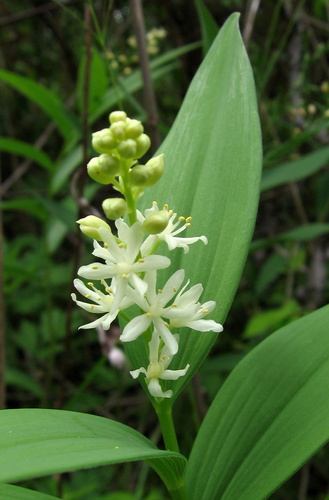
Michigan, US
Puedes ver Star-Flowered Lily-Of-The-Valley y Common Silverweed.
Ver guía →

Bern, CH
Puedes ver Gorrión Común, Wall-Rue y Pato.
Ver guía →
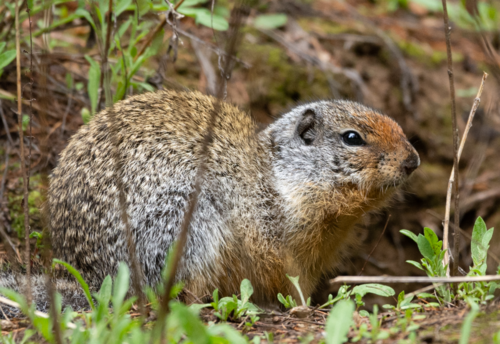
British Columbia, CA
Puedes ver Columbian Ground Squirrel y Spotted Knapweed.
Ver guía →
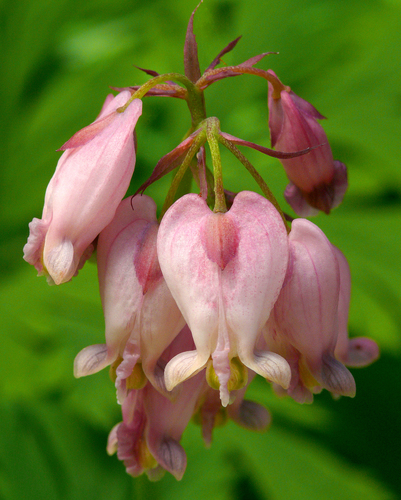
British Columbia, CA
Puedes ver Pacific Bleeding Heart, Tansy y Western Sword Fern.
Ver guía →
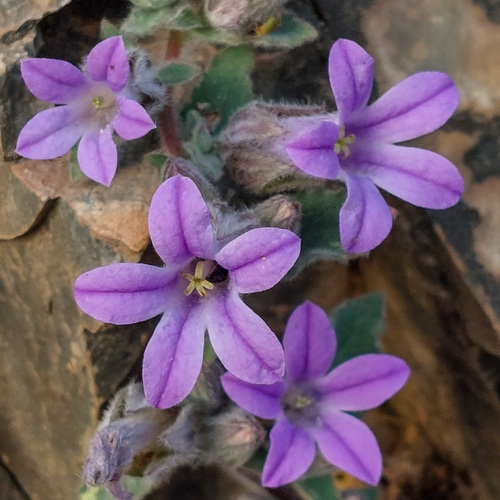
British Columbia, CA
Puedes ver Bellflowers, Thimbleberry y Common Bracken.
Ver guía →

British Columbia, CA
Puedes ver Oregon Grape, Shinyleaf Meadowsweet y Bush Penstemon.
Ver guía →







_Berberis_bealei_habitus.jpg&width=800)


.jpg&width=800)







