.jpg&width=800)





Spotted Lanternfly
Lycorma delicatula
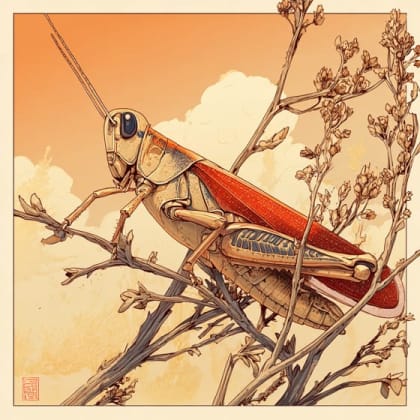
The Spotted Lanternfly is a colorful insect with beautiful spots. It can be found on trees and plants, and it loves to suck the sap from them, which can make the plants unhealthy.
Hábitat: Urban areas, forests
The Spotted Lanternfly has unique grey forewings covered in small black spots, contrasting sharply with its vibrant red hindwings that feature black and white stripes. Its distinct pattern and bright colours make it easily recognizable from other planthoppers.
Categoría
InsectosRareza
Common
Peligro
1/5 · Muy bajo
Snaps
¡Sé la primera persona en hacer un snap!
Wow! Baby lanternflies are black with white spots and turn bright red later!
Wow! Spotted Lanternflies can ride on cars and trains to travel to new places!
Wow! Their eggs look like a smear of mud or caulk on trees and rocks!
Wow! They squirt a sweet, sticky liquid called honeydew that coats plants!
Spotted Lanternfly can reveal bright red hindwings to startled predators because of its unique wing pattern that helps them deter attacks.
Spotted Lanternfly has specialized glands that produce honeydew because of its sap-based diet that helps them excrete excess sugar.
Spotted Lanternfly can leap surprisingly far because of its powerful legs that help them quickly escape danger or find new feeding spots.
Spotted Lanternfly has forewings that blend with tree bark because of its mottled grey colouration that helps them hide from predators.
These insects sip sugary sap from many plants, like trees and grapevines, using a straw-like mouth.
Diferencias por edad: Nymphs feed on a wider variety of plants, moving to woody hosts as they mature.
Ailanthus altissima
Its primary host plant and preferred food source.
Vitis vinifera
Causes significant damage to vineyards and grape crops.
Anastatus orientalis
A tiny wasp that lays its eggs inside lanternfly eggs.
Fumago vagans
This fungus grows on the sticky honeydew excreted by lanternflies.
Marcado con manchas o parches de un color diferente.
Los animales solitarios viven solos durante la mayor parte de su vida y solo interactúan con otros para aparearse o cuidar de sus crías.
Colorido describe a organismos u objetos que exhiben una amplia variedad de colores brillantes y distintivos.
Este rasgo caracteriza a los organismos cuya dieta consiste total o principalmente en material vegetal.

Los hábitats boscosos son entornos terrestres dominados por una densa cubierta arbórea, que sustentan una gran diversidad de vida animal y vegetal.

Los animales diurnos están activos principalmente durante el día y suelen descansar o dormir por la noche.

Este rasgo identifica a los organismos que exhiben una rapidez excepcional en sus movimientos para cazar, escapar o desplazarse.

Esta característica de hábitat indica especies que pueden coexistir con los humanos en entornos urbanos y suburbanos, utilizando estructuras artificiales y espacios verdes.
Los organismos vampíricos son aquellos que obtienen nutrientes alimentándose de la sangre o los fluidos corporales de otros animales.

Las especies invasoras son organismos no nativos que causan daños al medio ambiente, la economía o la salud humana.
Todavía no hay alias listados.
Peligro
1/5 · Muy bajo
Don't touch or pick up insects without asking an adult first.
40-50 mm
20-30 mm
150-180 días
These insects sip sugary sap from many plants, like trees and grapevines, using a straw-like mouth.
Urban areas, forests
Foraging
6
Acércate para separar los grupos y explorar dónde se ha fotografiado este objeto.
Los snaps recientes aparecerán aquí a medida que se añadan nuevas observaciones.
.jpg)
Maryland, US
Puedes ver Ciervo De Cola Blanca, Japanese Knotweed y Mariquita Asiática.
Ver guía →
Virginia, US
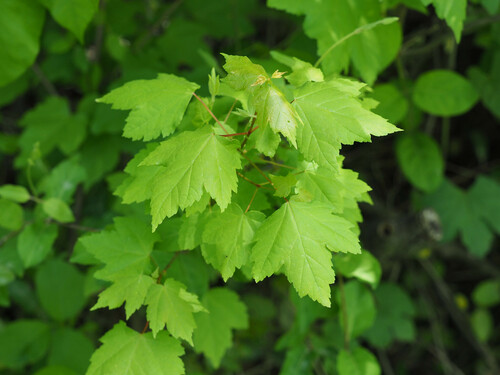
Puedes ver Arce Rojo, Spotted Lanternfly y Cardenal Norteño.
Ver guía →

Virginia, US
Puedes ver Ciervo De Cola Blanca, Gorrión Común y Ardilla Gris Oriental.
Ver guía →

Ohio, US
Puedes ver Petirrojo Americano, Ciervo De Cola Blanca y Halcón Peregrino.
Ver guía →

New York, US
Puedes ver Common Dandelion, Red Deadnettle y Broad-Leaved Dock.
Ver guía →
New Jersey, US
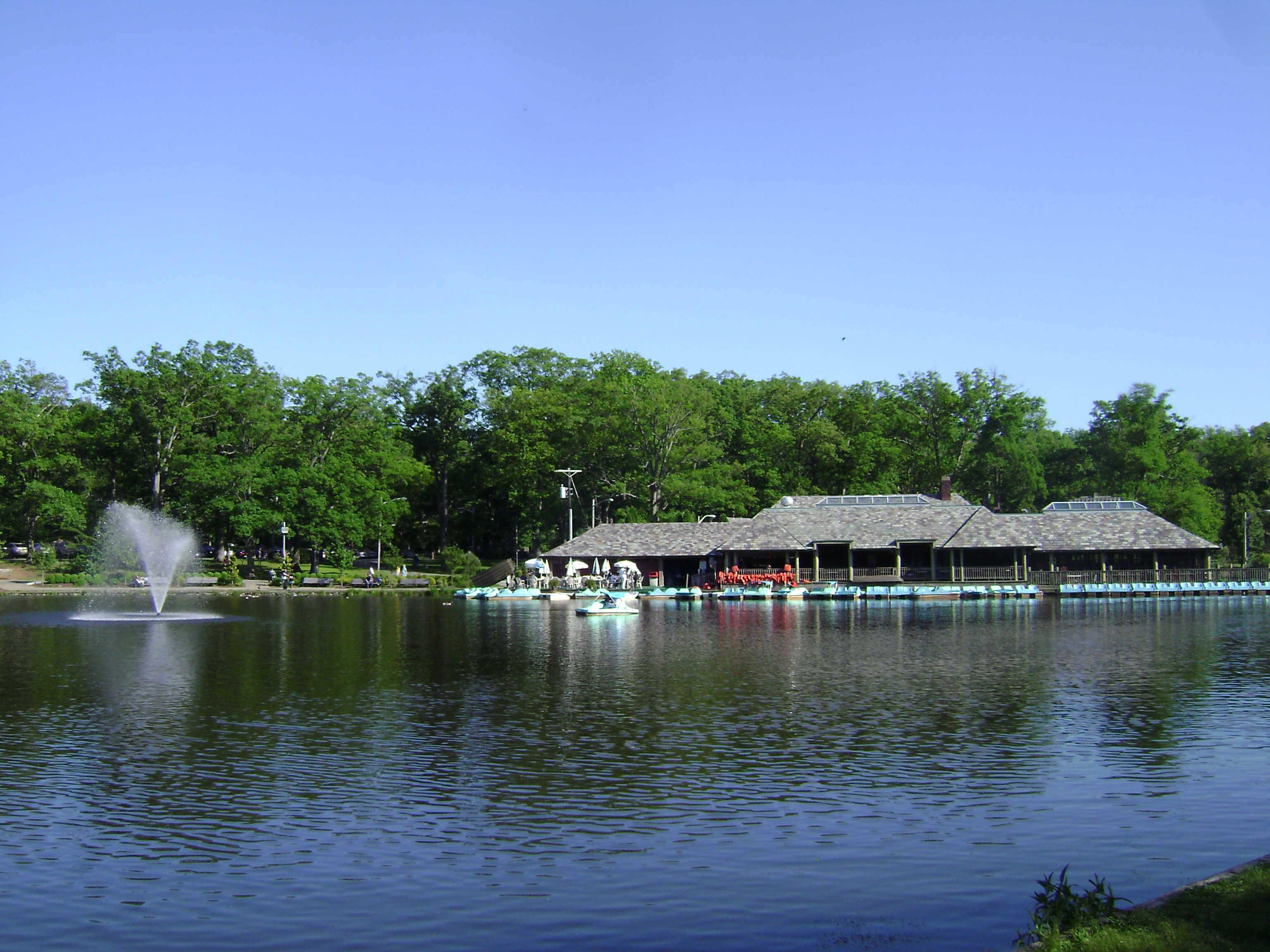
Puedes ver Ciervo De Cola Blanca, Barnacla Canadiense y Tordo Sargento.
Ver guía →