






Squirrel Treefrog
Hyla squirella
The Squirrel Treefrog is a small, green frog that loves to climb trees and bushes. They are known for their cheerful calls that sound like a squirrel's chatter, especially during warm nights.
Hábitat: Wetlands
The Squirrel Treefrog is typically green, brown, or gray, able to change color rapidly to match its surroundings. It often has a distinct white or yellowish stripe running along its upper lip and sides, sometimes with scattered dark spots. Its smooth skin and large, adhesive toe pads allow it to cling.
Categoría
AnfibiosRareza
Common
Peligro
1/5 · Muy bajo
Snaps
¡Sé la primera persona en hacer un snap!
During cold weather, they can go dormant for months, buried in soil or under logs.
Their bulging eyes give them excellent all-around vision to spot tiny insects in the dark!
These tiny frogs can inflate their throat sac like a balloon to make their super-loud calls.
They're named "squirrel" treefrogs because their chattering call sounds a bit like a squirrel!
Squirrel Treefrog can quickly change its skin color because of specialized cells, helping them hide perfectly from predators and prey.
Squirrel Treefrog has large, sticky toe pads that help them climb vertical surfaces, even glass, to reach high leaves.
Squirrel Treefrog often calls more loudly and frequently just before rainstorms, helping them find mates in good conditions.
This little frog loves to snap up tiny insects and other small invertebrates with its quick, sticky tongue!
Diferencias por edad: Tadpoles primarily feed on algae and detritus in the water, while adults are carnivores eating insects.
Thamnophis sirtalis
hunts them in vegetation and near water.

Ardea alba
preys on frogs encountered near wetland edges.
Culex pipiens
catches adult mosquitoes in flight or on surfaces.
Formica fusca
consumes ants found foraging on plants and ground.
Los animales sociales viven en grupos organizados, cooperando para obtener beneficios de supervivencia como la búsqueda de alimento, la defensa y la cría de descendencia.
Los animales cantores producen vocalizaciones complejas, a menudo con el propósito de atraer parejas, defender el territorio o comunicarse dentro de su especie.
Los animales arborícolas viven principalmente en los árboles, utilizándolos como refugio, alimento y protección contra los depredadores.
El camuflaje describe a los organismos que poseen colores o patrones que les permiten mezclarse con su entorno.

Colorido describe a organismos u objetos que exhiben una amplia variedad de colores brillantes y distintivos.

Este rasgo identifica a los organismos cuya dieta consiste principalmente en insectos y otros pequeños invertebrados.

Los hábitats boscosos son entornos terrestres dominados por una densa cubierta arbórea, que sustentan una gran diversidad de vida animal y vegetal.

Este rasgo de hábitat identifica especies que se encuentran en humedales, que son áreas de tierra saturadas de agua, ya sea permanente o estacionalmente, e incluyen marismas, pantanos y ciénagas.

Los animales nocturnos están principalmente activos durante la noche, y suelen descansar o dormir durante el día.
Peligro
1/5 · Muy bajo
Always wash your hands after touching frogs, and be gentle if you see one!
2.5-4 cm
0.001-0.005 kg
2-5 años
1 km/h
This little frog loves to snap up tiny insects and other small invertebrates with its quick, sticky tongue!
Wetlands
Ambush
500-1000
Acércate para separar los grupos y explorar dónde se ha fotografiado este objeto.
Los snaps recientes aparecerán aquí a medida que se añadan nuevas observaciones.
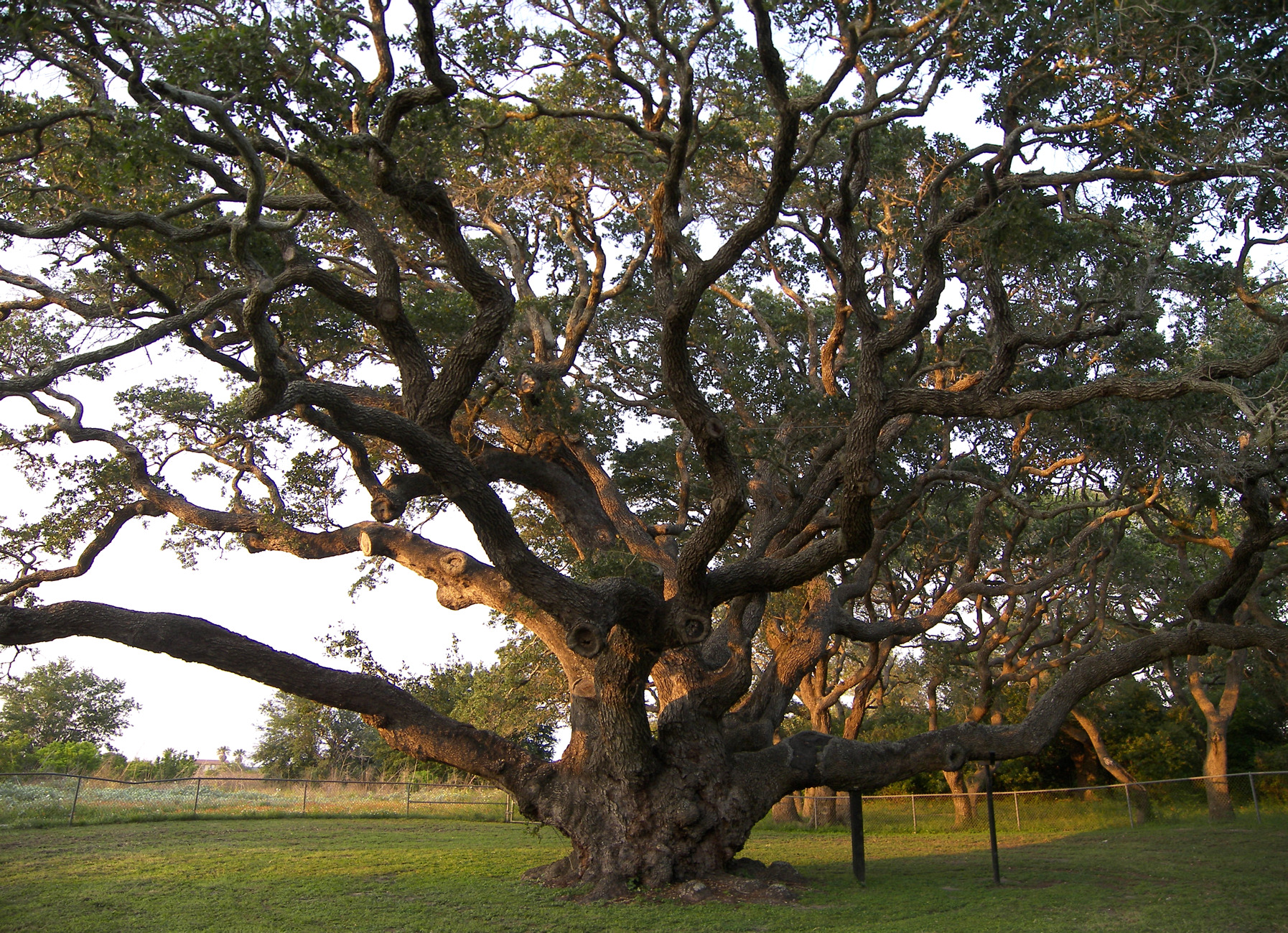
Texas, US
Puedes ver Pelícano Pardo, Ciervo De Cola Blanca y Laughing Gull.
Ver guía →

Georgia, US
Puedes ver Red-Headed Woodpecker y American White Waterlily.
Ver guía →
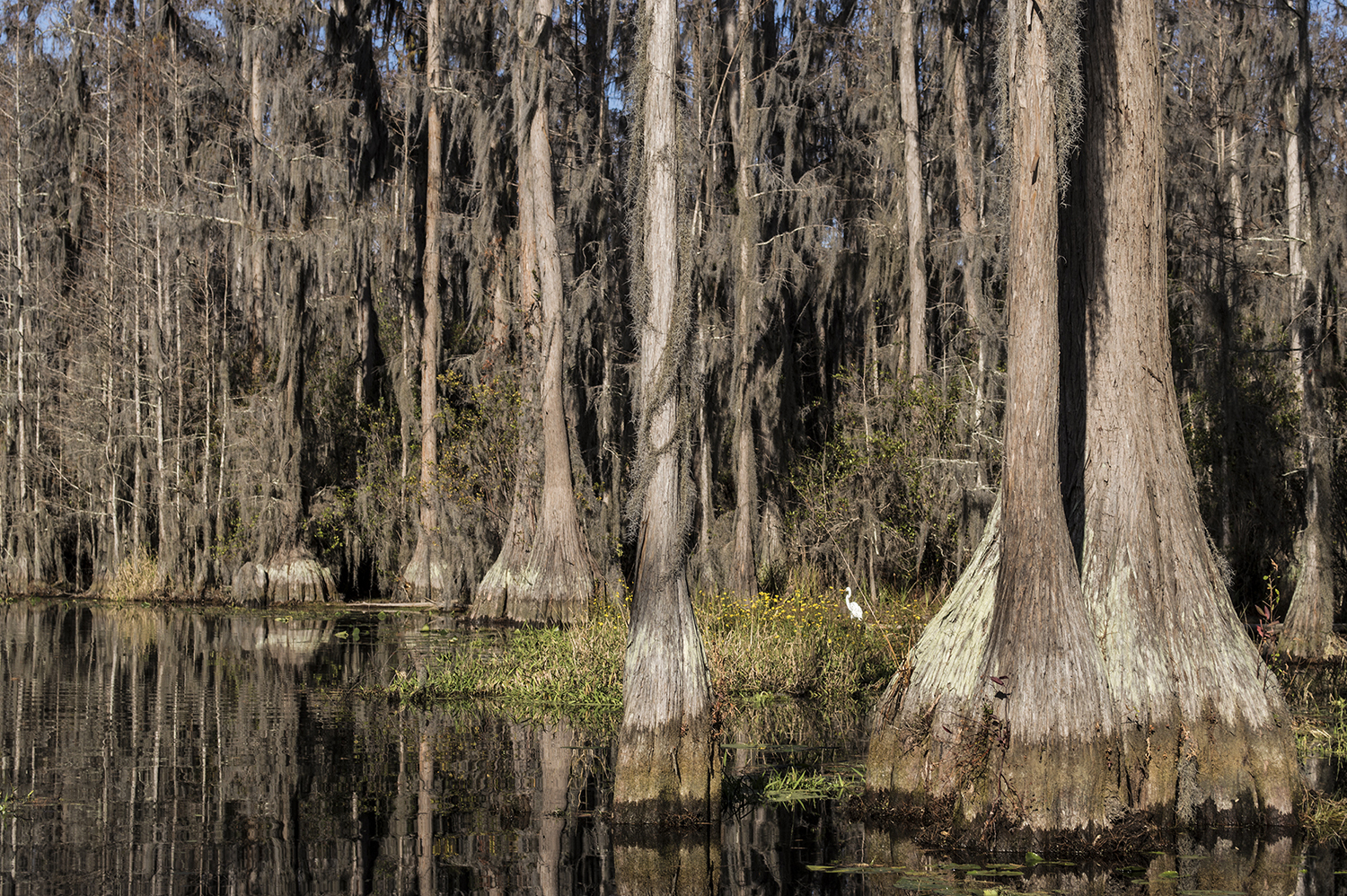
Georgia, US
Puedes ver Caimán Americano, Ciervo De Cola Blanca y Anolis Verde.
Ver guía →

Florida, US
Puedes ver Garza Azulada, Laughing Gull y Florida Rosemary.
Ver guía →

Florida, US
Puedes ver False Rosemary, Willet y Florida Rosemary.
Ver guía →












_crop.jpg&width=800)

