






subalpine fir
Abies lasiocarpa
The subalpine fir is a tall, evergreen tree that grows in cool, mountainous areas. Its soft needles and sweet smell make it a favorite among nature lovers!
Hábitat: Mountain regions
The subalpine fir is a slender, spire-shaped evergreen tree with smooth, grey bark that can develop resin blisters. Its soft, flat needles are silvery-green, and it features distinctive purplish-blue cones that stand upright on its branches.
Categoría
PlantasRareza
Common
Peligro
1/5 · Muy bajo
Snaps
¡Sé la primera persona en hacer un snap!
Its smooth bark often has 'blisters' filled with a fragrant, sticky resin.
This tree can grow at higher elevations on mountains than almost any other fir species!
When its cones are ripe, they disintegrate on the branch, leaving behind a spike-like core.
You can tell it's a fir tree because its flat needles leave a round scar when pulled off the twig!
Subalpine fir has flexible branches and a conical shape that help it shed heavy snow loads, preventing breakage in snowy mountain regions.
Its needles have a waxy coating that helps the subalpine fir conserve water and protect against freezing winds at high altitudes.
Subalpine fir has unique upright cones that break apart on the branch to release seeds, a clever way to ensure reproduction.
Ursus americanus
Eats inner bark for nutrients.
Oreamnos americanus
Browses on its needles and twigs.

Cyanocitta stelleri
Nests safely within its branches.

Tamias minimus
Burrows near its tree base.
Las plantas coníferas suelen ser de hoja perenne, con agujas o escamas y conos reproductivos.
Las plantas de hoja perenne conservan su follaje durante todo el año, sin perder nunca todas sus hojas a la vez.
Las flores fragantes emiten un aroma agradable, a menudo para atraer polinizadores o como defensa.
Las plantas resistentes al frío son capaces de soportar bajas temperaturas y condiciones de congelación sin sufrir daños significativos.

Se refiere a la madera que ha sido preparada para su uso en la construcción y la carpintería.

Este rasgo de hábitat identifica a las especies que se encuentran en regiones montañosas, caracterizadas por su gran altitud, pendientes pronunciadas y zonas climáticas variables.
Todavía no hay alias listados.
Peligro
1/5 · Muy bajo
Stay on trails when exploring near trees to avoid getting lost.
2000-5000 cm
600-800 cm
Primavera
No
Ninguna
Perenne
Viento
Mountain regions
Acércate para separar los grupos y explorar dónde se ha fotografiado este objeto.
Los snaps recientes aparecerán aquí a medida que se añadan nuevas observaciones.
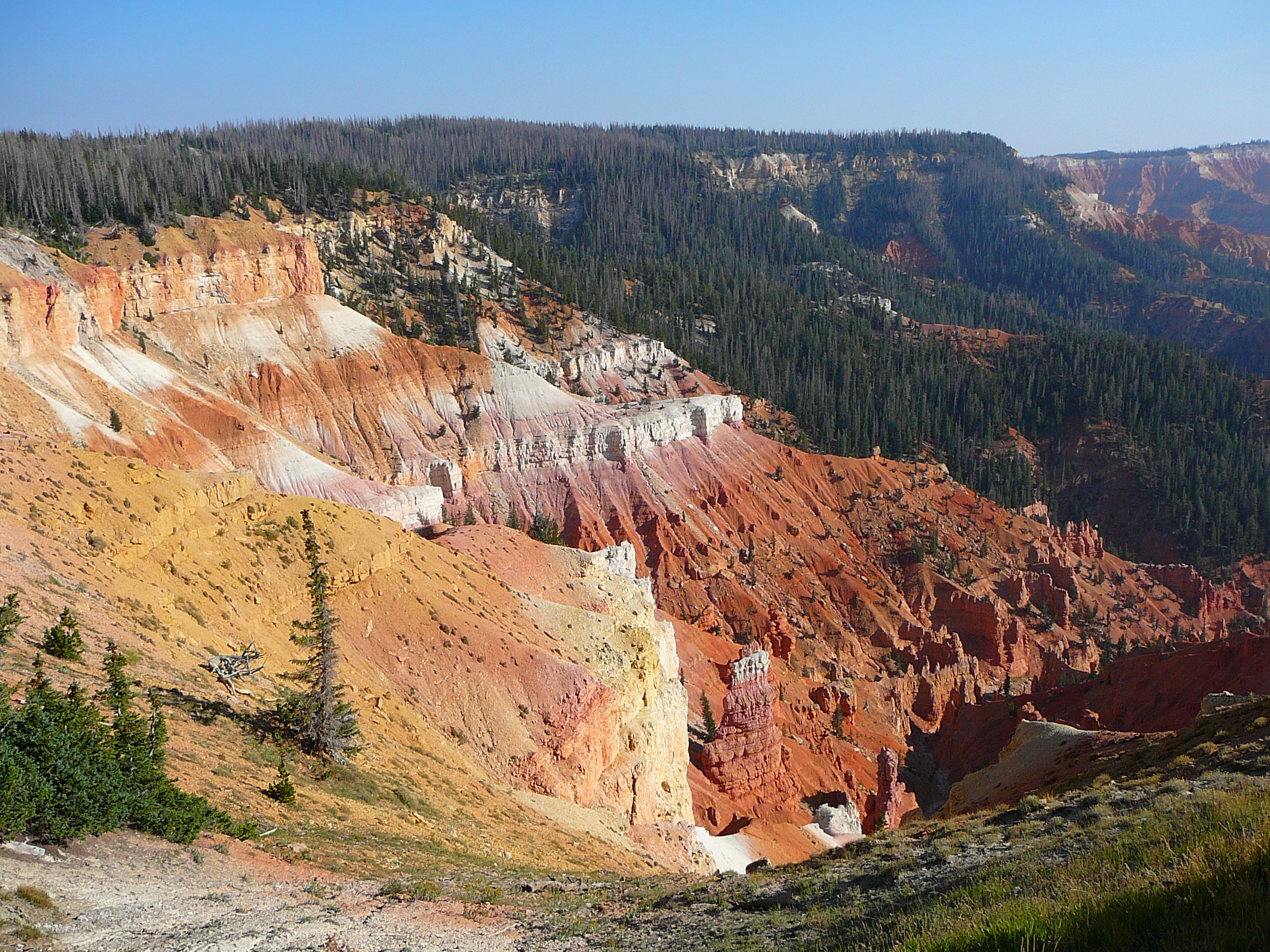
Utah, US
Puedes ver Great Basin Bristlecone Pine, Blue Columbine y Monument Plant.
Ver guía →

British Columbia, CA
Puedes ver White Pasqueflower, Hoary Marmot y Columbian Ground Squirrel.
Ver guía →
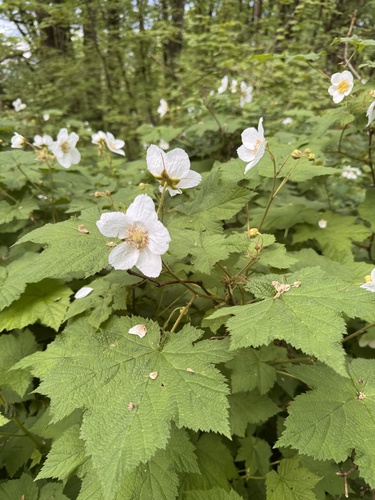
British Columbia, CA
Puedes ver Thimbleberry, Western Redcedar y Red Osier Dogwood.
Ver guía →

British Columbia, CA
Puedes ver Sitka Valerian, Leafy Aster y Pearly Everlasting.
Ver guía →
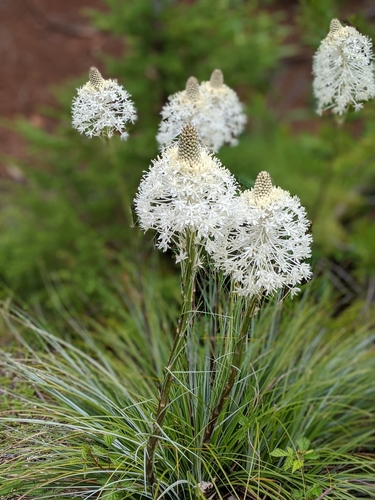
British Columbia, CA
Puedes ver Common Beargrass, White-Flowered Rhododendron y Glacier Lily.
Ver guía →

British Columbia, CA
Puedes ver White Pasqueflower, Columbian Ground Squirrel y Oso Negro.
Ver guía →











.jpg&width=800)



.jpg&width=800)

