


Least Chipmunk
Neotamias minimus
The Least Chipmunk is a small, striped animal that loves to scurry around in the grass and trees. It has a cute little face and a fluffy tail, making it a fun sight to see in nature!
Hábitat: Forests
The Least Chipmunk is the smallest North American chipmunk, featuring a reddish-brown body with five distinct dark stripes on its back separated by lighter cream-colored bands. It has pale stripes above and below its eyes, contrasting with its pointed snout.
Categoría
MamíferosRareza
Common
Peligro
1/5 · Muy bajo
Snaps
¡Sé la primera persona en hacer un snap!
A chipmunk's home can have many tunnels, secret rooms, and even a special toilet area!
Despite their name, they are excellent at finding food, even sniffing out buried fungi like truffles.
They can survive harsh winters by going into a deep sleep called torpor, waking up to eat stored food!
They make over 10 different calls, from alarm chirps to soft trills, to chat with other chipmunks.
Least Chipmunk has stretchy cheek pouches that help them carry lots of food at once back to their burrow.
Least Chipmunk can dig complex underground burrows very quickly to create safe homes and food storage.
Least Chipmunk can swiftly climb trees and shrubs to escape predators and forage for food like berries.
These tiny foragers eat a mix of plants and insects to fuel their busy days!
Buteo jamaicensis
A common raptor that hunts small mammals like chipmunks.

Mustela frenata
A swift predator that can pursue chipmunks into their burrows.
Pinus contorta
Relies on the seeds from this pine for a significant food source.

Vaccinium scoparium
Consumes the small, edible berries found in mountain habitats.
Peludo describe a los animales que poseen una cubierta densa de pelo o pelaje suave.
Marcado con bandas paralelas o líneas de color.
Los animales sociales viven en grupos organizados, cooperando para obtener beneficios de supervivencia como la búsqueda de alimento, la defensa y la cría de descendencia.
Este rasgo caracteriza a los organismos cuya dieta consiste total o principalmente en material vegetal.

Los hábitats boscosos son entornos terrestres dominados por una densa cubierta arbórea, que sustentan una gran diversidad de vida animal y vegetal.

Los animales diurnos están activos principalmente durante el día y suelen descansar o dormir por la noche.

Este rasgo identifica a los organismos que exhiben una rapidez excepcional en sus movimientos para cazar, escapar o desplazarse.
Todavía no hay alias listados.
Peligro
1/5 · Muy bajo
Always watch chipmunks from a distance and don't try to catch them.
17-22 cm
0.025-0.06 kg
2-5 años
18 km/h
These tiny foragers eat a mix of plants and insects to fuel their busy days!
Forests
Foraging
2-8
Acércate para separar los grupos y explorar dónde se ha fotografiado este objeto.
Los snaps recientes aparecerán aquí a medida que se añadan nuevas observaciones.
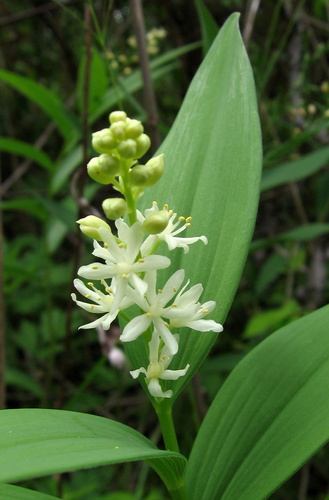
Michigan, US
Puedes ver Star-Flowered Lily-Of-The-Valley y Common Silverweed.
Ver guía →
.jpg)
South Dakota, US
Puedes ver Least Chipmunk, Rocky Mountains Ponderosa Pine y Cabra Montesa.
Ver guía →
South Dakota, US
Puedes ver Borrego Cimarrón y Narrow-Leaved Purple Coneflower.
Ver guía →
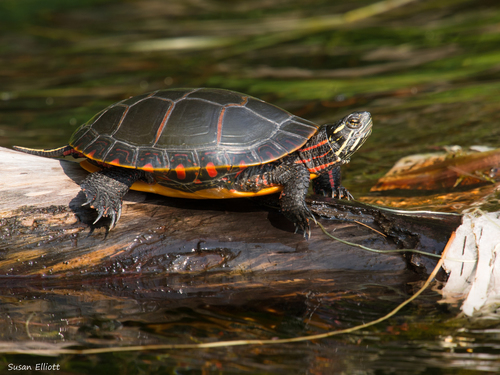
British Columbia, CA
Puedes ver Tortuga Pintada, Antelope Bitterbrush y Western Tiger Beetle.
Ver guía →

Wyoming, US
Puedes ver Perrito De Las Praderas y Bur Oak.
Ver guía →