Swamp Eels
synbranchidae
Swamp eels are slippery and fun to watch as they wiggle through the water! They can breathe air and often come to the surface for a quick breath!
Hábitat: Swampy areas, marshes, and slow-moving waters.
The Swamp Eel has a long, snake-like body, usually olive-green or brownish-grey, sometimes with subtle speckles. It lacks pectoral and pelvic fins, making its smooth, cylindrical form distinct from most other fish. Its small, pointed head blends seamlessly into its body.
Categoría
PecesRareza
Common
Peligro
1/5 · Muy bajo
Snaps
¡Sé la primera persona en hacer un snap!
Some swamp eel species are protogynous, meaning they can change sex from female to male!
Swamp eels can live in their muddy burrows for months without any surface water!
These clever fish use their sense of smell to hunt for food in murky water.
They are so incredibly slippery, they're super hard to catch with just your hands!
Swamp Eels can breathe air using specialized mouth and gill tissues, allowing them to survive in oxygen-poor water.
Swamp Eels can burrow into mud and form a protective cocoon, which helps them survive long dry periods.
Swamp Eels can squeeze through tiny gaps and wriggle over land to find new ponds or escape drying habitats.
These hungry eels eat small fish, insects, worms, and even tadpoles and frogs!
Diferencias por edad: Younger eels eat more insects, while adults prefer larger prey like fish.

Ardea alba
Egrets hunt these eels in shallow waters.
Micropterus salmoides
Larger bass prey on smaller swamp eels.
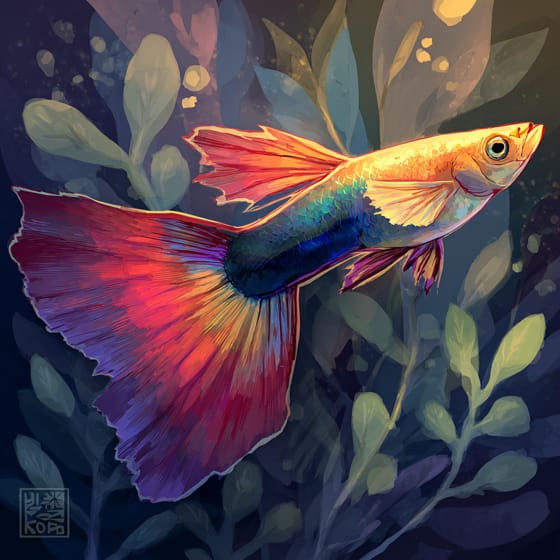
Poecilia reticulata
Swamp eels ambush and consume smaller fish like guppies.
Homo sapiens
Many cultures consider these eels a food source.
Los animales solitarios viven solos durante la mayor parte de su vida y solo interactúan con otros para aparearse o cuidar de sus crías.
El camuflaje describe a los organismos que poseen colores o patrones que les permiten mezclarse con su entorno.
Este rasgo identifica a los organismos cuya dieta consiste total o principalmente en tejido animal.
Los hábitats acuáticos abarcan entornos donde los organismos viven principalmente en el agua, incluidos océanos, ríos, lagos y humedales.
Peligro
1/5 · Muy bajo
Todavía no hay notas especiales de seguridad.
20-100 cm
0.1-1.5 kg
5-10 años
These hungry eels eat small fish, insects, worms, and even tadpoles and frogs!
8 km/h
Swampy areas, marshes, and slow-moving waters.
Ambush
5 m
Acércate para separar los grupos y explorar dónde se ha fotografiado este objeto.
Los snaps recientes aparecerán aquí a medida que se añadan nuevas observaciones.