
_Hibiscus_moscheutos_-_Red_swamp_rose-mallow_flower_-_Les_Martels%2C_Giroussens_Tarn.jpg&width=800)





swamp rose mallow
Hibiscus moscheutos
The swamp rose mallow is a beautiful flower that grows in wet areas. Its big, colorful blooms can be pink, white, or red, and they attract butterflies and bees!
Hábitat: Wetlands
The swamp rose mallow has giant, showy flowers, typically white or pink with a deep crimson center, growing on sturdy green stems. Its broad, heart-shaped leaves are often fuzzy, giving it a distinctive soft texture among wetland plants.
Categoría
PlantasRareza
Common
Peligro
1/5 · Muy bajo
Snaps
¡Sé la primera persona en hacer un snap!
Even though it loves swamps, this plant can also grow well in regular garden soil.
Hummingbirds love to stick their long beaks deep inside its giant flowers for a sweet treat!
Its scientific name, 'Hibiscus', comes from an ancient Greek word for marsh mallow.
Some swamp rose mallow flowers can be bigger than a dinner plate!
Swamp rose mallow can thrive in wet, boggy soils thanks to its roots that tolerate low oxygen conditions.
Its enormous, vibrant flowers act like giant targets, attracting thirsty bees and hummingbirds for nectar.
Swamp rose mallow has fuzzy leaf undersides that help it reduce water loss during hot, sunny days.

Bombus impatiens
collects nectar and pollen
Danaus plexippus
feeds on flower nectar

Archilochus colubris
sips nectar from blooms
Aphis gossypii
sucks sap from leaves
Las plantas caducifolias pierden periódicamente todas sus hojas, por lo general durante el otoño o las estaciones secas.
Las plantas con flores son cualquier planta que produce flores como parte de su ciclo reproductivo.
Las plantas de floración de verano producen sus flores durante la temporada estival, a menudo aportando un color vibrante cuando muchas otras plantas ya han terminado de florecer.
Las plantas medicinales poseen compuestos químicos que pueden utilizarse con fines terapéuticos para tratar enfermedades o mantener la salud.

Colorido describe a organismos u objetos que exhiben una amplia variedad de colores brillantes y distintivos.

Describe plantas que son particularmente atractivas y beneficiosas para una amplia variedad de organismos polinizadores.

Este rasgo de hábitat identifica especies que se encuentran en humedales, que son áreas de tierra saturadas de agua, ya sea permanente o estacionalmente, e incluyen marismas, pantanos y ciénagas.

Gigante describe organismos u objetos de un tamaño significativamente mayor al promedio de su especie o tipo.
Todavía no hay alias listados.
Peligro
1/5 · Muy bajo
Always look but don't touch flowers in nature to keep them safe.
90-210 cm
60-120 cm
10-25 cm
Verano
Sí
Ninguna
Perenne
Insectos
Acércate para separar los grupos y explorar dónde se ha fotografiado este objeto.
Los snaps recientes aparecerán aquí a medida que se añadan nuevas observaciones.
New York, US
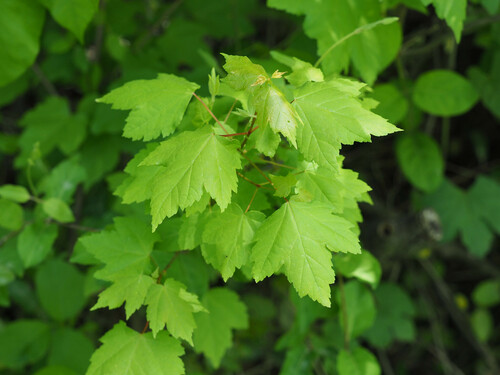
Puedes ver Arce Rojo, Black Tupelo y Sensitive Fern.
Ver guía →

Connecticut, US
Puedes ver Gorrión Melódico, Sinsonte Norteño y Monarch.
Ver guía →

District of Columbia, US
Puedes ver Libélula Azul, Fragile Forktail y Slaty Skimmer.
Ver guía →
Illinois, US
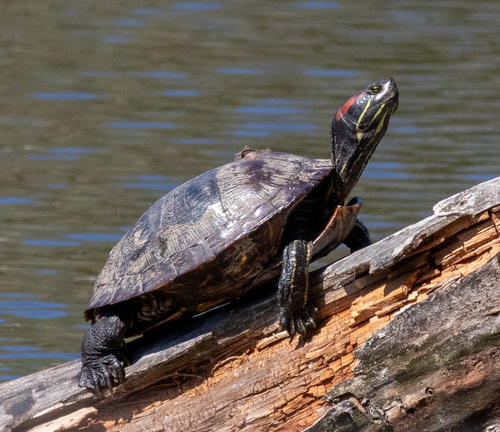
Puedes ver Pond Slider, Garza Azulada y Black-Crowned Night Heron.
Ver guía →
Virginia, US
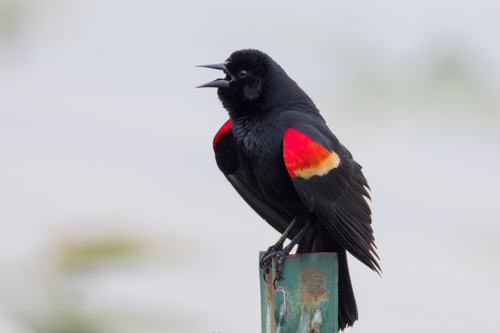
Puedes ver Tordo Sargento y Barnacla Canadiense.
Ver guía →

New York, US
Puedes ver Common Mugwort, Snow Goose × Brant y Spotted Lanternfly.
Ver guía →












_(14782581944).jpg&width=800)



