






Tan Jumping Spider
platycryptus undatus
The Tan Jumping Spider is a small and lively spider known for its incredible jumping ability! These little creatures are great at catching insects and are often found in gardens and grassy areas.
Hábitat: Gardens, grassy areas, and shrubs.
The Tan Jumping Spider is a small, stout spider typically tan to grayish-brown with a flattened body, often featuring a distinctive herringbone pattern on its abdomen. It has large, forward-facing eyes, giving it excellent vision, and sometimes shows white stripes under its eyes, especially males.
Categoría
InsectosRareza
Common
Peligro
1/5 · Muy bajo
Snaps
¡Sé la primera persona en hacer un snap!
Despite being tiny, their intelligence allows them to plan hunting routes to catch tricky prey.
Tan Jumping Spiders clean their large front eyes by wiping them with their tiny leg-like pedipalps!
Their eight eyes are arranged for 360-degree vision, with two giant forward-facing ones for focus!
They perform elaborate, unique courtship dances to attract a mate, showing off their patterns!
Tan Jumping Spider has incredibly sharp eyesight that helps them spot tiny prey from a distance.
Tan Jumping Spider can leap many times its body length to pounce on unsuspecting insects with precision.
Tan Jumping Spider spins a silk dragline that acts as a safety rope for jumps and quick descents.
Tan Jumping Spider has a mottled brown and tan coloration that helps them blend perfectly into tree bark.
Tiny predators, they eat many different small insects they hunt with their excellent eyesight.
Musca domestica
a quick protein meal on sunny walls.
Aedes aegypti
helping to control pesky insect populations.
.jpg&width=800)
Sitta carolinensis
a small, nutritious snack for hungry birds.
Anolis carolinensis
a common meal for garden lizards.
Los animales solitarios viven solos durante la mayor parte de su vida y solo interactúan con otros para aparearse o cuidar de sus crías.
Los animales arborícolas viven principalmente en los árboles, utilizándolos como refugio, alimento y protección contra los depredadores.
Colorido describe a organismos u objetos que exhiben una amplia variedad de colores brillantes y distintivos.
Este rasgo identifica a los organismos cuya dieta consiste total o principalmente en tejido animal.

Los animales diurnos están activos principalmente durante el día y suelen descansar o dormir por la noche.
Peligro
1/5 · Muy bajo
Todavía no hay notas especiales de seguridad.
8-13 mm
300-450 días
Tiny predators, they eat many different small insects they hunt with their excellent eyesight.
Gardens, grassy areas, and shrubs.
Ambush
8
Acércate para separar los grupos y explorar dónde se ha fotografiado este objeto.
Los snaps recientes aparecerán aquí a medida que se añadan nuevas observaciones.
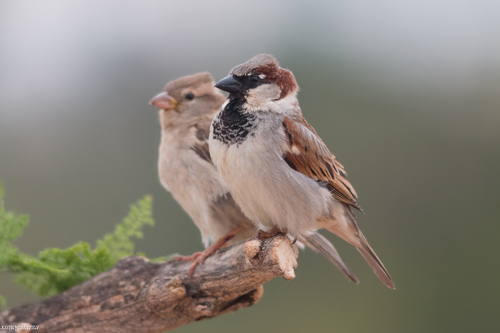
Massachusetts, US
Puedes ver Gorrión Común, Garlic Mustard y Pato.
Ver guía →

Virginia, US
Puedes ver Monarch, Tortuga De Caja Oriental y Mariquita Asiática.
Ver guía →
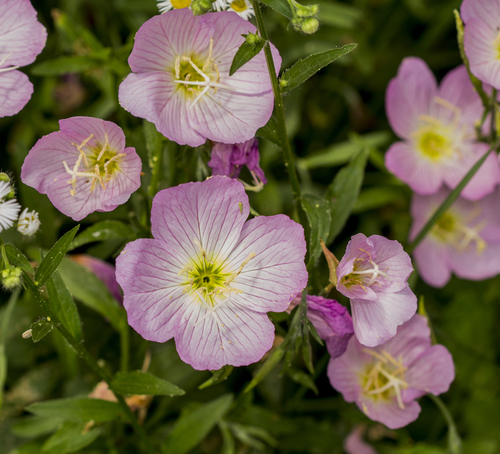
Virginia, US
Puedes ver Pinkladies, Hickories y Japanese Aucuba.
Ver guía →




.jpg&width=800)








.jpg&width=800)