_Colocasia_esculenta_-_Les_Martels%2C_Giroussens_Tarn.jpg&width=800)





Taro
colocasia esculenta
El Taro es una planta grande de hojas que crece en lugares cálidos y húmedos. ¡Sus grandes hojas en forma de corazón son divertidas de tocar y observar!
Hábitat: El Taro crece en áreas pantanosas y regiones tropicales de todo el mundo.
El Taro tiene hojas enormes, en forma de corazón a sagitadas, a menudo de un verde llamativo con venas prominentes, y a veces tallos de color púrpura o rojo oscuro. Su follaje aterciopelado y repelente al agua le da una apariencia única, distinta de otras plantas de hojas grandes.
Categoría
PlantasRareza
Common
Peligro
1/5 · Muy bajo
Snaps
3
En Hawái, un plato tradicional llamado poi se elabora a partir de cormos de taro machacados.
¡Algunas variedades de taro tienen una carne interior sorprendentemente hermosa de color púrpura o rosa!
¡El taro es una de las plantas cultivadas más antiguas, cultivada durante miles de años!
Las raíces de taro están llenas de energía, como una verdura súper rica en almidón.
Los animales sociales viven en grupos organizados, cooperando para obtener beneficios de supervivencia como la búsqueda de alimento, la defensa y la cría de descendencia.
Colorido describe a organismos u objetos que exhiben una amplia variedad de colores brillantes y distintivos.
Este rasgo caracteriza a los organismos cuya dieta consiste total o principalmente en material vegetal.
Los hábitats boscosos son entornos terrestres dominados por una densa cubierta arbórea, que sustentan una gran diversidad de vida animal y vegetal.

Los hábitats acuáticos abarcan entornos donde los organismos viven principalmente en el agua, incluidos océanos, ríos, lagos y humedales.
Peligro
1/5 · Muy bajo
Lávese siempre las manos después de tocar las plantas.
La forma más fácil de identificar a Taro es usar la aplicación de identificación de naturaleza Snappit.
60-200 cm
50-150 cm
10-30 cm
Verano
Sí
Moderada
Perenne
Acércate para separar los grupos y explorar dónde se ha fotografiado este objeto.

Hawaii, US
Puedes ver Clidemia, Shama Coliblanco y árbol Paraguas Australiano.
Ver guía →

Georgia, US
Puedes ver Ardilla Gris Oriental, Gato Doméstico y Petirrojo Americano.
Ver guía →

Hawaii, US
Puedes ver Shama Coliblanco, Clidemia y Jengibre Botón Rojo.
Ver guía →

US
Puedes ver Arenisca, Chimpancé y Maruca.
Ver guía →
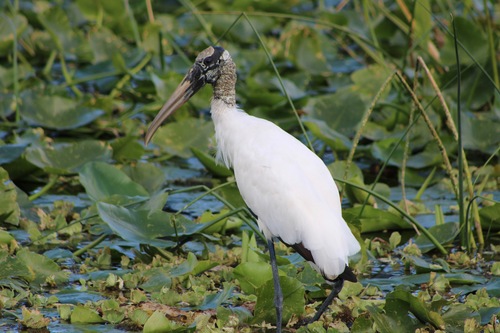
Florida, US
Puedes ver Cigüeña Americana, Anolis Castaño y Taro.
Ver guía →
Llévate el descubrimiento
Haz una foto con Snappit, identifica la especie y guarda el hallazgo en tu colección.








.jpg&width=800)



_001.jpg&width=800)




