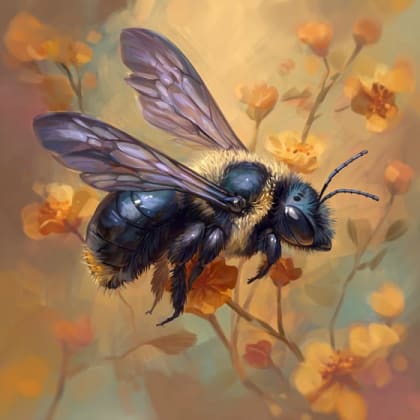
The Snout
Hypena proboscidalis
The Snout is a fun little moth with a long nose that looks like a snout! It has beautiful colors and loves to fly around flowers, making it a special part of nature.
Hábitat: Urban areas
The The Snout has drab, mottled brown wings that resemble dry leaves or bark, helping it camouflage perfectly. Its most striking feature is its two very long, hairy labial palps that project forward like a prominent 'snout' or proboscis.
Categoría
InsectosRareza
Common
Peligro
1/5 · Muy bajo
Snaps
¡Sé la primera persona en hacer un snap!
Even in the dark, these moths can hear sounds using tiny 'ears' on their chest!
If you disturb it, The Snout often drops to the ground and pretends to be dead!
The Snout's caterpillars are very fussy, only eating stinging nettle leaves!
They can sometimes spend the entire winter hiding as adults before laying eggs!
The Snout can perfectly blend into dry leaves or bark because of its mottled brown wings, helping them hide from predators.
The Snout has keen night vision that helps them fly and find food during the darkest hours.
The Snout has long, furry labial palps that act like antennae, helping them 'smell' the air to find tasty plants.
Larval Snouts munch on stinging nettle leaves, while adult Snouts sip sweet nectar from flowers.
Diferencias por edad: Larvae consume plant leaves, while adults feed on nectar and sap.
Urtica dioica
Larvae feed exclusively on its leaves.
Plecotus auritus
Eats adult moths flying at night.
Vespula vulgaris
Predates Snout moth larvae and pupae.
Pteromalus puparum
Its larvae develop inside Snout moth pupae.
Los animales solitarios viven solos durante la mayor parte de su vida y solo interactúan con otros para aparearse o cuidar de sus crías.
El camuflaje describe a los organismos que poseen colores o patrones que les permiten mezclarse con su entorno.
Colorido describe a organismos u objetos que exhiben una amplia variedad de colores brillantes y distintivos.
Este rasgo caracteriza a los organismos cuya dieta consiste total o principalmente en material vegetal.

Describe plantas que son particularmente atractivas y beneficiosas para una amplia variedad de organismos polinizadores.

Esta característica de hábitat indica especies que pueden coexistir con los humanos en entornos urbanos y suburbanos, utilizando estructuras artificiales y espacios verdes.

Los animales nocturnos están principalmente activos durante la noche, y suelen descansar o dormir durante el día.

Describe organismos que transfieren polen, permitiendo la fertilización y reproducción de las plantas.
Todavía no hay alias listados.
Peligro
1/5 · Muy bajo
It's best to look at moths from a distance and not touch them.
30-38 mm
15-20 mm
10-30 días
12 km/h
Larval Snouts munch on stinging nettle leaves, while adult Snouts sip sweet nectar from flowers.
Urban areas
Foraging
6
Acércate para separar los grupos y explorar dónde se ha fotografiado este objeto.
Los snaps recientes aparecerán aquí a medida que se añadan nuevas observaciones.