Thimbleberry Gall Wasp
Diastrophus kincaidii
The Thimbleberry Gall Wasp is a tiny insect that makes special homes called galls on thimbleberry plants. These galls look like little bumps and provide a safe place for the wasp's babies to grow.
Hábitat: Forests
The Thimbleberry Gall Wasp is a tiny, dark-bodied insect, typically black or dark brown, with a shiny exoskeleton. Its small size and transparent wings distinguish it, but it's most often identified by the distinctive, often reddish or green, spindle-shaped galls it creates on thimbleberry stems.
Categoría
InsectosRareza
Common
Peligro
1/5 · Muy bajo
Snaps
¡Sé la primera persona en hacer un snap!
Each tiny wasp creates a unique living sculpture!
Galls can look like berries or strange plant potatoes!
Its larvae turn plant cells into a personal pantry!
Some gall wasps are all female, no dads needed!
Thimbleberry Gall Wasp can cleverly manipulate plants to grow protective homes called galls because of special chemicals it injects.
Thimbleberry Gall Wasp has a unique ability to trigger a specific plant response that helps them create safe nurseries for their young.
Thimbleberry Gall Wasp can inject powerful chemicals that force the host plant to grow a custom-designed, nutrient-rich shelter for its larvae.
Adults might sip nectar, but larvae get all their nutrition by consuming the plant tissue inside their gall homes.
Diferencias por edad: Larvae consume plant tissue inside galls; adults may feed on nectar or honeydew, or not feed at all.

Rubus parviflorus
Its larvae rely on this plant to grow their protective gall homes.
Torymus perplexus
Its larvae develop inside the Thimbleberry Gall Wasp's galls.

Cyanocitta stelleri
This bird sometimes pecks at galls to find the larvae inside.
Los animales solitarios viven solos durante la mayor parte de su vida y solo interactúan con otros para aparearse o cuidar de sus crías.
Este rasgo caracteriza a los organismos cuya dieta consiste total o principalmente en material vegetal.
Describe plantas que son particularmente atractivas y beneficiosas para una amplia variedad de organismos polinizadores.
Los hábitats boscosos son entornos terrestres dominados por una densa cubierta arbórea, que sustentan una gran diversidad de vida animal y vegetal.

Relativo a especies que son significativamente más pequeñas que lo típico o promedio de su tipo.

Describe organismos que transfieren polen, permitiendo la fertilización y reproducción de las plantas.
Todavía no hay alias listados.
Peligro
1/5 · Muy bajo
It's best to look at these wasps from a distance and not touch them.
4-8 mm
2-4 mm
7-14 días
Adults might sip nectar, but larvae get all their nutrition by consuming the plant tissue inside their gall homes.
Forests
6
Acércate para separar los grupos y explorar dónde se ha fotografiado este objeto.
Los snaps recientes aparecerán aquí a medida que se añadan nuevas observaciones.

British Columbia, CA
Puedes ver Salal, Northern Red Belt y Western Sword Fern.
Ver guía →
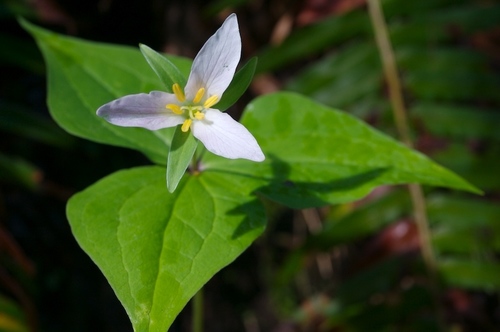
British Columbia, CA
Puedes ver Pacific Trillium, Western Redcedar y Vanilla Leaf.
Ver guía →
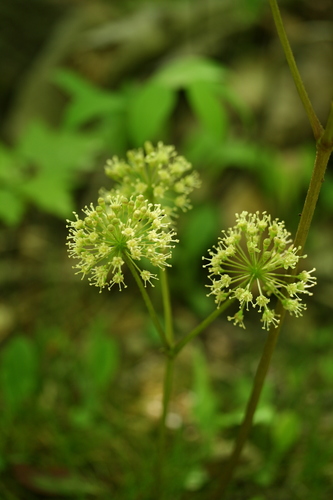
British Columbia, CA
Puedes ver Wild Sarsaparilla, Thimbleberry y Oregon Boxwood.
Ver guía →




.jpg&width=800)