






Thrushes
turdidae
Thrushes are beautiful birds that sing lovely songs! They love to hop around in gardens and forests looking for tasty insects and berries.
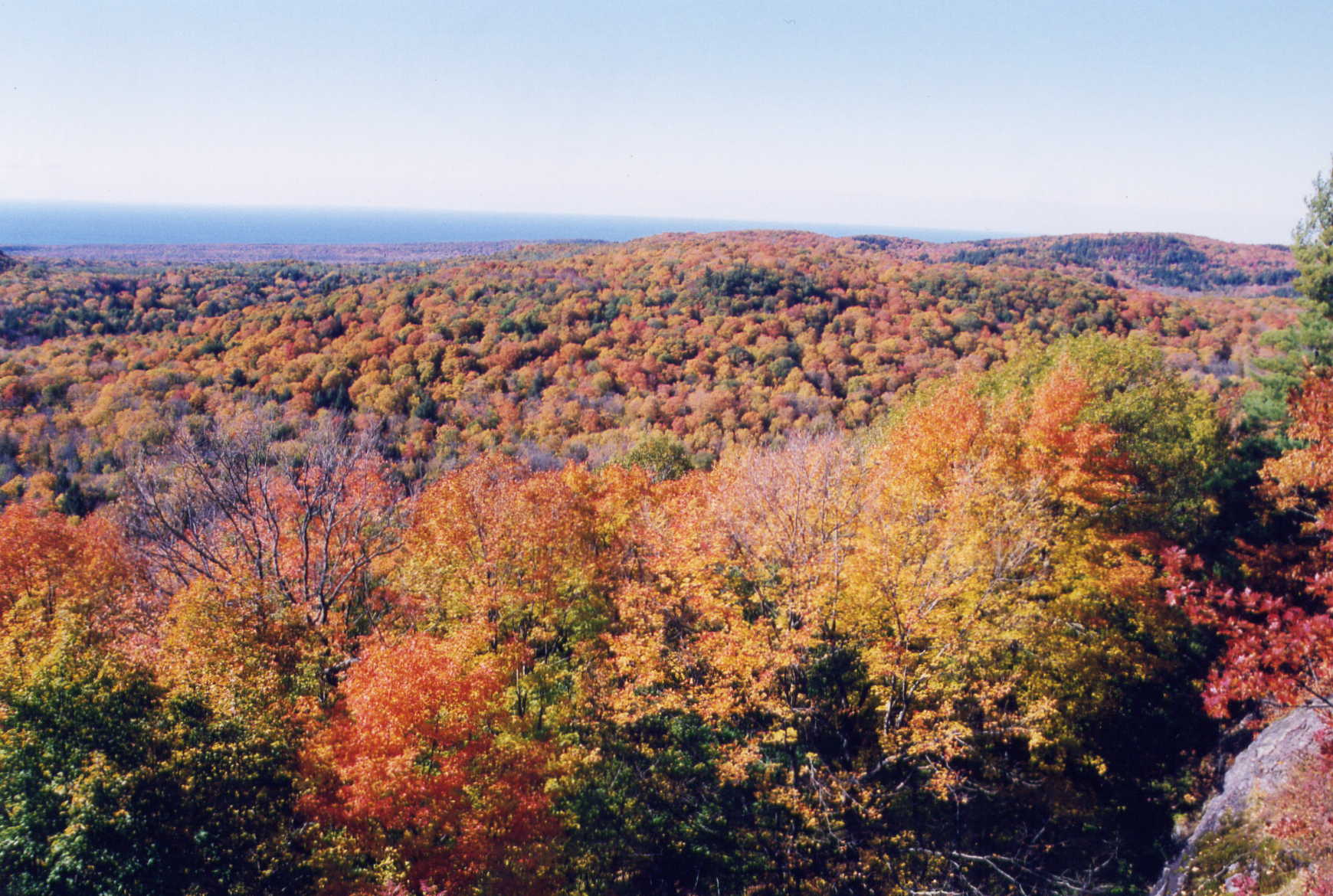
Hábitat: Thrushes can be found in forests, gardens, and parks across many regions.
The Thrushes are medium-sized songbirds, often plump-bodied with soft brown, grey, or olive plumage. Many species, especially juveniles, feature distinct spotting or streaking on their pale undersides, contrasting with their generally plainer backs.
Categoría
AvesRareza
Common
Peligro
0/5 · Sin peligro conocido
Snaps
¡Sé la primera persona en hacer un snap!
A thrush's powerful leg muscles allow it to hop quickly across the ground while searching for food.
Baby thrushes can grow all their flight feathers in just two weeks after hatching!
Some thrush species can sing two different notes at the same time, making their songs extra rich!
They often perform a 'stop-run' foraging technique to find worms in the grass.
Thrushes can tilt their heads and use keen hearing to locate hidden worms and insects underground.
Thrushes have complex vocal cords that help them produce beautiful, flute-like songs to attract mates and defend territory.
Thrushes help new plants grow by eating fruits and then dispersing the seeds in their droppings far away.
Thrushes are omnivores, mostly eating insects and berries they find on the ground or in trees.
Felis catus
Domestic cats prey on thrushes, especially ground-nesting young.
Lumbricus terrestris
Thrushes eat earthworms, a primary food source, especially in spring.
.jpg&width=800)
Rubus idaeus
Thrushes eat the fruits of raspberries, helping to disperse their seeds.
.jpg&width=800)
Molothrus ater
Cowbirds lay eggs in thrush nests, having thrushes raise their young.
Los animales sociales viven en grupos organizados, cooperando para obtener beneficios de supervivencia como la búsqueda de alimento, la defensa y la cría de descendencia.
Este rasgo identifica organismos cuya dieta incluye tanto materia vegetal como animal.
Colorido describe a organismos u objetos que exhiben una amplia variedad de colores brillantes y distintivos.
Los hábitats boscosos son entornos terrestres dominados por una densa cubierta arbórea, que sustentan una gran diversidad de vida animal y vegetal.

Los animales diurnos están activos principalmente durante el día y suelen descansar o dormir por la noche.
Peligro
0/5 · Sin peligro conocido
Todavía no hay notas especiales de seguridad.
16-30 cm
30-48 cm
0.04-0.15 kg
2-10 años
50 km/h
Thrushes are omnivores, mostly eating insects and berries they find on the ground or in trees.
Thrushes can be found in forests, gardens, and parks across many regions.
Foraging
Acércate para separar los grupos y explorar dónde se ha fotografiado este objeto.
Los snaps recientes aparecerán aquí a medida que se añadan nuevas observaciones.








.jpg&width=800)




