.jpg&width=800)





tree-of-heaven
Ailanthus altissima
The tree of heaven is a tall tree with big, green leaves that can grow very quickly! It has a strong smell that some people say is like burnt peanuts.
Hábitat: Urban areas
The tree-of-heaven is a rapidly growing deciduous tree, often recognized by its long, compound leaves featuring 10-40 leaflets, each with a distinctive tooth and gland near the base. Its smooth, pale grey bark on young trees darkens and fissures with age, while its clusters of papery, reddish-brown winged seeds, called samaras, persist into winter.
Categoría
PlantasRareza
Common
Peligro
2/5 · Bajo
Snaps
¡Sé la primera persona en hacer un snap!
Certain moths, like the Ailanthus silkmoth, love eating its leaves!
Its wood is so soft and weak, it's not good for building!
One tree can make hundreds of thousands of seeds each year!
Some call it "ghetto palm" because it grows in tough city spots!
Tree-of-heaven can grow incredibly fast, shooting up several feet each year to outcompete other plants for sunlight.
Tree-of-heaven releases special chemicals from its roots that make it hard for other plants to grow nearby.
Tree-of-heaven can sprout new trees from its roots, quickly forming dense thickets even after being cut down.

Atteva aurea
Larvae feed on the leaves, sometimes defoliating the tree.
Samia cynthia
Its caterpillars feed exclusively on the leaves of Ailanthus.
Verticillium nonalfalfae
This fungus causes a lethal wilt disease, often used for biocontrol.
Apis mellifera
Honey bees are attracted to its nectar and pollen during bloom.
Las plantas caducifolias pierden periódicamente todas sus hojas, por lo general durante el otoño o las estaciones secas.
Las flores fragantes emiten un aroma agradable, a menudo para atraer polinizadores o como defensa.
Los árboles de hoja ancha son angiospermas caracterizadas por hojas planas y anchas que típicamente se caen anualmente en climas templados.
Las plantas de crecimiento rápido exhiben tasas de crecimiento aceleradas, aumentando rápidamente de tamaño y biomasa en un corto período de tiempo.

Describe plantas que son particularmente atractivas y beneficiosas para una amplia variedad de organismos polinizadores.

Se refiere a la madera que ha sido preparada para su uso en la construcción y la carpintería.

Este rasgo caracteriza a los organismos con una esperanza de vida excepcionalmente larga en comparación con otros de su especie.

Esta característica de hábitat indica especies que pueden coexistir con los humanos en entornos urbanos y suburbanos, utilizando estructuras artificiales y espacios verdes.

Las especies invasoras son organismos no nativos que causan daños al medio ambiente, la economía o la salud humana.
Peligro
2/5 · Bajo
Be careful not to touch the leaves too much, as they can sometimes irritate your skin.
1500-2500 cm
1000-1500 cm
0.5-1 cm
Verano
No
Leve
Perenne
Insectos
Acércate para separar los grupos y explorar dónde se ha fotografiado este objeto.
Los snaps recientes aparecerán aquí a medida que se añadan nuevas observaciones.
New York, US
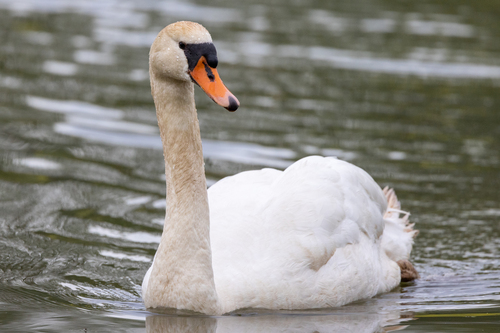
Puedes ver Cisne Vulgar, Pato y Gorrión Común.
Ver guía →

Ohio, US
Puedes ver Petirrojo Americano, Ciervo De Cola Blanca y Halcón Peregrino.
Ver guía →

Massachusetts, US
Puedes ver White Mulberry, Paloma Huilota y Eastern Black Carpenter Ant.
Ver guía →

Massachusetts, US
Puedes ver Japanese Knotweed y Common Eastern Bumble Bee.
Ver guía →
_(16639600986).jpg)
New York, US
Puedes ver White Mulberry, Striped Greenhouse Slug y Tree-Of-Heaven.
Ver guía →
New York, US
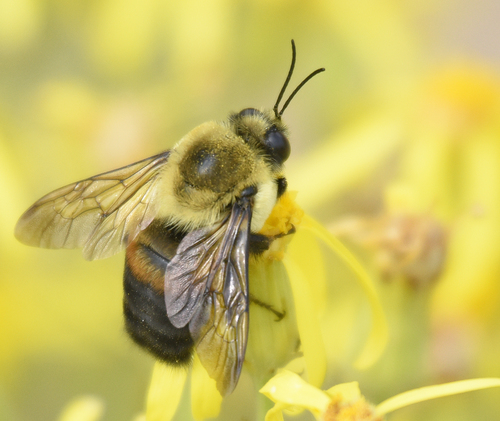
Puedes ver Brown-Belted Bumble Bee y Ardilla Gris Oriental.
Ver guía →















_(4732404596).jpg&width=800)