





Trillium
Trillium
Los trilliums son hermosas flores con tres grandes pétalos que vienen en diferentes colores como blanco, rosa y rojo. Crecen en los suelos de los bosques y florecen en primavera, añadiendo color a las zonas sombrías.
Hábitat: Bosques
El Trillium es una llamativa planta de bosque distinguida por su simetría única de tres partes, presentando tres hojas anchas, tres pétalos y tres sépalos. Su flor solitaria suele aparecer por encima de las hojas, a menudo en tonos blancos, rosas, rojos o granate intenso, lo que la hace fácilmente identificable.
Categoría
PlantasRareza
Common
Peligro
1/5 · Muy bajo
Snaps
¡Sé la primera persona en hacer un snap!
¡Una planta de Trillium puede tardar de 5 a 7 años en producir su primera y hermosa flor!
¡Los nativos americanos usaban partes de las plantas de Trillium como alimento y medicinas tradicionales!
Arrancar una flor de Trillium puede herir mortalmente la planta, ya que sus hojas son cruciales para su supervivencia.
¡Algunas especies de Trillium producen un olor a carne podrida para atraer moscas para la polinización!
Las semillas de Trillium tienen elaiosomas nutritivos, que atraen a las hormigas para que las transporten a nuevos lugares, ayudando a la planta a extenderse.
Algunas flores de Trillium cambian de color a medida que envejecen, posiblemente señalando a los polinizadores o indicando su etapa de desarrollo de semillas.
Las plantas de Trillium pueden vivir muchas décadas, pero crecen muy lentamente, lo que las hace sensibles a los cambios ambientales.
Lucilia sericata
Atraído por olores específicos para la polinización.
Apis mellifera
Recoge néctar y polen de las flores.

Odocoileus virginianus
Pastorea las hojas y flores de las plantas de Trillium.
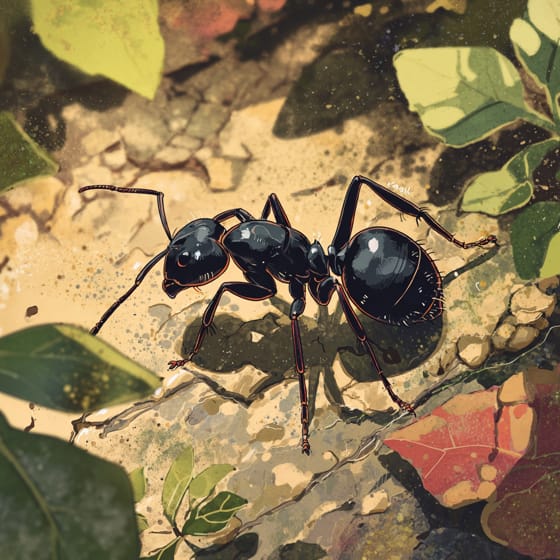
Lasius niger
Dispersa semillas de Trillium que contienen elaiosomas nutritivos.
Las plantas caducifolias pierden periódicamente todas sus hojas, por lo general durante el otoño o las estaciones secas.
Las plantas de floración primaveral producen sus flores durante la temporada de primavera, lo que a menudo significa el final del invierno y el comienzo de un nuevo crecimiento.
Las plantas tolerantes a la sombra están adaptadas para crecer y prosperar en áreas con bajos niveles de luz, requiriendo menos luz solar directa.
Las flores fragantes emiten un aroma agradable, a menudo para atraer polinizadores o como defensa.

Los hábitats boscosos son entornos terrestres dominados por una densa cubierta arbórea, que sustentan una gran diversidad de vida animal y vegetal.

Este rasgo caracteriza a los organismos con una esperanza de vida excepcionalmente larga en comparación con otros de su especie.
Peligro
1/5 · Muy bajo
Disfruta viendo los trilliums en el bosque, pero nunca los recojas. Deja que crezcan y se extiendan de forma natural.
La forma más fácil de identificar a Trillium es usar la aplicación de identificación de naturaleza Snappit.
15-45 cm
10-30 cm
3-8 cm
Primavera
Sí
Leve
Perenne
Acércate para separar los grupos y explorar dónde se ha fotografiado este objeto.
Los snaps recientes aparecerán aquí a medida que se añadan nuevas observaciones.
Llévate el descubrimiento
Haz una foto con Snappit, identifica la especie y guarda el hallazgo en tu colección.








.jpg&width=800)


_001.jpg&width=800)


