
_-_Killarney%2C_Ontario_01.jpg&width=800)





Two-striped Grasshopper
Melanoplus bivittatus
The Two-striped Grasshopper is a small, green insect with two dark stripes running down its back. They love to hop around in fields and gardens, making them fun to spot!
Hábitat: Grasslands
The Two-striped Grasshopper has a robust body, typically green, yellow, or brownish, with two distinct pale stripes running along its back from head to wings. Its long, powerful hind legs are also usually marked with dark spots or bands, making it easily distinguishable.
Categoría
InsectosRareza
Common
Peligro
1/5 · Muy bajo
Snaps
¡Sé la primera persona en hacer un snap!
Baby grasshoppers, called nymphs, look like tiny adults but are born without wings!
Did you know grasshoppers have their 'ears' located on their belly?
Some grasshoppers can change their body color to perfectly match their surroundings!
They breathe through tiny holes along their sides, not their mouth like us!
Two-striped Grasshopper has earthy colors and patterns that help them blend perfectly into their grassy homes.
Two-striped Grasshopper can create buzzing chirps by rubbing body parts together, which helps them talk to other grasshoppers.
Two-striped Grasshopper has strong mouthparts that help them chew through tough leaves and stems with ease.
These herbivores love to munch on many different kinds of plants and grasses.
Turdus migratorius
A common bird that hunts adult grasshoppers.
Thamnophis sirtalis
Snakes often prey on grasshoppers in their habitat.
Mermis nigrescens
Can infect and control grasshopper behavior.
Solidago canadensis
Feeds on the leaves of this widespread plant.
Marcado con bandas paralelas o líneas de color.
Los animales solitarios viven solos durante la mayor parte de su vida y solo interactúan con otros para aparearse o cuidar de sus crías.
El camuflaje describe a los organismos que poseen colores o patrones que les permiten mezclarse con su entorno.
Este rasgo caracteriza a los organismos cuya dieta consiste total o principalmente en material vegetal.

Los hábitats de pastizales son biomas terrestres dominados por pastos y plantas herbáceas, que sustentan a una variedad de animales de pastoreo.

Los animales diurnos están activos principalmente durante el día y suelen descansar o dormir por la noche.

Describe organismos que transfieren polen, permitiendo la fertilización y reproducción de las plantas.
Todavía no hay alias listados.
Peligro
1/5 · Muy bajo
While grasshoppers are not dangerous, it's best to watch them from a distance and not touch them.
40-90 mm
25-50 mm
60-120 días
10 km/h
These herbivores love to munch on many different kinds of plants and grasses.
Grasslands
Foraging
6
Acércate para separar los grupos y explorar dónde se ha fotografiado este objeto.
Los snaps recientes aparecerán aquí a medida que se añadan nuevas observaciones.
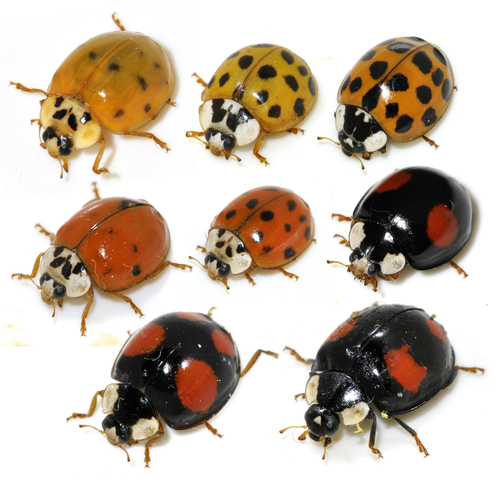
Ontario, CA
Puedes ver Mariquita Asiática y Forest Tent Caterpillar Moth.
Ver guía →
South Dakota, US
Puedes ver Borrego Cimarrón y Narrow-Leaved Purple Coneflower.
Ver guía →

Wyoming, US
Puedes ver Perrito De Las Praderas y Bur Oak.
Ver guía →

Nebraska, US
Puedes ver Great Plains Yucca, Plains Pricklypear y Winterfat.
Ver guía →








.jpg&width=800)


