






Pale Swallowtail
Papilio eurymedon
The Pale Swallowtail is a beautiful butterfly with yellow and black wings. It loves to flutter around flowers and can be seen in gardens and meadows during warm days.
Hábitat: Gardens and meadows
The Pale Swallowtail has creamy white to pale yellow wings strikingly marked with bold black stripes. Its hindwings feature distinctive, short black 'tails' and often a small, blue and orange eyespot, differentiating it from similar, yellower swallowtails.
Categoría
InsectosRareza
Common
Peligro
1/5 · Muy bajo
Snaps
¡Sé la primera persona en hacer un snap!
Male Pale Swallowtails often fly to the very top of hills to find a mate!
The 'swallowtail' name comes from the little tail-like shapes on their hindwings!
They are one of the most common swallowtail butterflies found in western North America!
When threatened, their caterpillar shoots out a stinky, orange 'fork' from its head!
The Pale Swallowtail has a long proboscis (a straw-like tongue) that helps them reach sweet nectar deep inside flowers.
Pale Swallowtails can fly quickly and erratically because of their large, powerful wings, that helps them escape from danger.
Pale Swallowtails can taste plants with their feet because they have chemoreceptors there, which helps them find the perfect spot to lay eggs.
Adult butterflies drink flower nectar, while caterpillars munch on leaves from special plants.
Diferencias por edad: Larvae (caterpillars) eat leaves, while adults exclusively feed on liquid nectar from flowers.
Frangula californica
Caterpillars feed on its leaves.
Ceanothus integerrimus
A primary host plant for its caterpillars.
Achillea millefolium
Adults visit its flowers for nectar.

Pica pica
Birds can prey on adult butterflies.
Los animales sociales viven en grupos organizados, cooperando para obtener beneficios de supervivencia como la búsqueda de alimento, la defensa y la cría de descendencia.
Colorido describe a organismos u objetos que exhiben una amplia variedad de colores brillantes y distintivos.
Este rasgo caracteriza a los organismos cuya dieta consiste total o principalmente en material vegetal.
Describe plantas que son particularmente atractivas y beneficiosas para una amplia variedad de organismos polinizadores.

Los animales diurnos están activos principalmente durante el día y suelen descansar o dormir por la noche.

Este rasgo identifica a los organismos que exhiben una rapidez excepcional en sus movimientos para cazar, escapar o desplazarse.

Describe organismos que transfieren polen, permitiendo la fertilización y reproducción de las plantas.
Todavía no hay alias listados.
Peligro
1/5 · Muy bajo
Always watch butterflies from a distance so they feel safe and happy.
70-100 mm
30-40 mm
10-20 días
20 km/h
Adult butterflies drink flower nectar, while caterpillars munch on leaves from special plants.
Gardens and meadows
Foraging
6
Acércate para separar los grupos y explorar dónde se ha fotografiado este objeto.
Los snaps recientes aparecerán aquí a medida que se añadan nuevas observaciones.

Washington, US
Puedes ver Lagartija Espinosa Del Oeste y Ciervo Mulo.
Ver guía →

British Columbia, CA
Puedes ver águila Calva, Harlequin Duck y Barrow's Goldeneye.
Ver guía →

Washington, US
Puedes ver Oregon Oak, Pacific Madrone y Fairy-Slipper.
Ver guía →

British Columbia, CA
Puedes ver Western Sword Fern, Cascade Oregon-Grape y Ocean Spray.
Ver guía →

British Columbia, CA
Puedes ver Thimbleberry, Canadian Buffalo-Berry y Oregon Grape.
Ver guía →
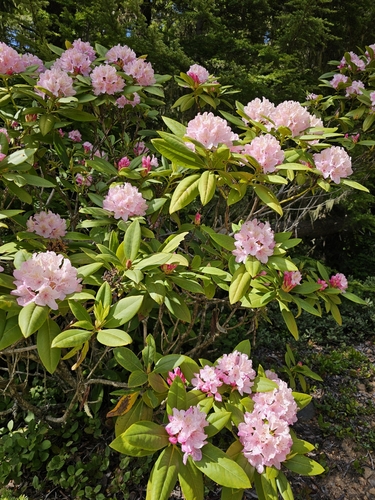
British Columbia, CA
Puedes ver Pacific Rhododendron, Vanilla Leaf y Pacific Trillium.
Ver guía →











