Uinta Chipmunk
neotamias umbrinus
The Uinta Chipmunk is a small, energetic creature that loves to scurry around in the forests of the western United States. With its cute striped back and tiny paws, it gathers nuts and seeds to store for winter!
Hábitat: Forests and mountainous regions in the western United States.
The Uinta Chipmunk has a greyish-brown body with five prominent dark stripes and two lighter stripes down its back, contrasting with its paler belly. It also features three distinct dark and two white stripes on its face, making it easily distinguishable from other small rodents.
Categoría
MamíferosRareza
Common
Peligro
0/5 · Sin peligro conocido
Snaps
¡Sé la primera persona en hacer un snap!
Their long bushy tails help them balance perfectly while racing up steep trees.
These little chipmunks can live high in the mountains, even above the treeline!
They communicate with sharp alarm calls to warn others of danger from above.
Uinta Chipmunks can run at speeds up to 25 kilometers per hour when startled!
Uinta Chipmunk has expandable cheek pouches that help them carry lots of seeds back to their burrow for later meals.
Uinta Chipmunk can quickly scramble up rocks and trees, helping them escape predators and find high-up food sources.
Uinta Chipmunk can hibernate during cold winters, saving energy by lowering its body temperature and heart rate.
Uinta Chipmunk possesses an incredible memory that helps it locate hundreds of buried food caches months later.
Uinta Chipmunks enjoy a varied diet of seeds, nuts, fruits, and small insects.
Accipiter gentilis
Preys on small mammals in forests.
Mustela erminea
Hunts small rodents and birds.
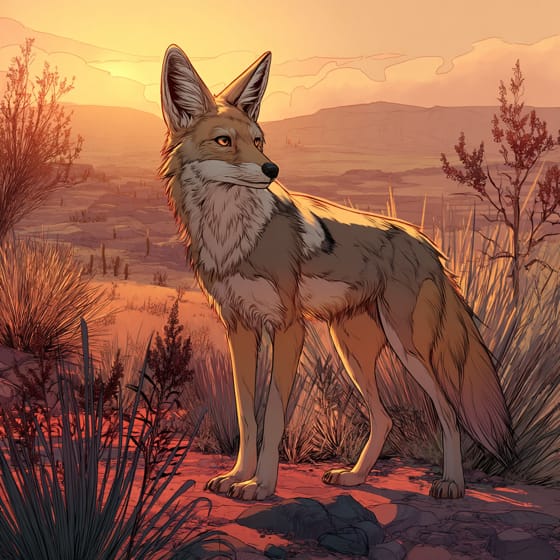
Canis latrans
Hunts small prey in mountain habitats.
Pinus contorta
Provides nutritious seeds for consumption.

Juniperus communis
Provides nutritious berries for consumption.
Peludo describe a los animales que poseen una cubierta densa de pelo o pelaje suave.
Los animales solitarios viven solos durante la mayor parte de su vida y solo interactúan con otros para aparearse o cuidar de sus crías.
Este rasgo caracteriza a los organismos cuya dieta consiste total o principalmente en material vegetal.
Los hábitats boscosos son entornos terrestres dominados por una densa cubierta arbórea, que sustentan una gran diversidad de vida animal y vegetal.

Los animales diurnos están activos principalmente durante el día y suelen descansar o dormir por la noche.
Peligro
0/5 · Sin peligro conocido
Todavía no hay notas especiales de seguridad.
18-24 cm
0.05-0.08 kg
2-5 años
25 km/h
Uinta Chipmunks enjoy a varied diet of seeds, nuts, fruits, and small insects.
Forests and mountainous regions in the western United States.
Foraging
2-8
Acércate para separar los grupos y explorar dónde se ha fotografiado este objeto.
Los snaps recientes aparecerán aquí a medida que se añadan nuevas observaciones.