water forget-me-not
Myosotis scorpioides
Water forget-me-nots are pretty little flowers that grow near water. They have bright blue petals and are loved by butterflies and bees!
Hábitat: Wetlands
The water forget-me-not has tiny, five-petaled, bright blue flowers with a small yellow center, growing in loose, curling clusters. Its stems and lance-shaped leaves are often covered in fine hairs, forming a soft green mat in wet areas, distinctly different from garden varieties.
Categoría
PlantasRareza
Common
Peligro
1/5 · Muy bajo
Snaps
¡Sé la primera persona en hacer un snap!
Ancient legends say a knight, falling, yelled 'Forget-me-not!' to his love, giving the flower its name!
Each tiny blue flower holds a secret bright yellow or white center, like a tiny bullseye!
Its Greek name, 'Myosotis,' charmingly means 'mouse ear' because of its fuzzy leaf shape!
This amazing plant can often survive with its roots completely underwater for long periods!
Water forget-me-not can grow roots directly into water or soggy soil, helping it thrive along stream banks.
If a stem breaks off, it can often float downstream and re-root, helping the plant colonize new areas.
Its tiny seeds can attach to animal fur or feathers, helping them travel to different watery habitats.
Bombus terrestris
Visits flowers for nectar and pollen.
Apis mellifera
Gathers nectar and pollen from the small blue flowers.
Anas platyrhynchos
Ducks may occasionally graze on the plant's leaves and stems.
Limnaea stagnalis
Snails can be found grazing on the plant's submerged parts.
Las plantas con flores son cualquier planta que produce flores como parte de su ciclo reproductivo.
Las plantas ornamentales se cultivan principalmente por su atractivo estético, embelleciendo paisajes y jardines con su atractivo follaje, flores o forma.
Las plantas de floración de verano producen sus flores durante la temporada estival, a menudo aportando un color vibrante cuando muchas otras plantas ya han terminado de florecer.
Las plantas de floración primaveral producen sus flores durante la temporada de primavera, lo que a menudo significa el final del invierno y el comienzo de un nuevo crecimiento.

Colorido describe a organismos u objetos que exhiben una amplia variedad de colores brillantes y distintivos.

Describe plantas que son particularmente atractivas y beneficiosas para una amplia variedad de organismos polinizadores.

Este rasgo de hábitat identifica especies que se encuentran en humedales, que son áreas de tierra saturadas de agua, ya sea permanente o estacionalmente, e incluyen marismas, pantanos y ciénagas.

Los hábitats de agua dulce incluyen entornos acuáticos no salinos como ríos, lagos, estanques y humedales, vitales para numerosas especies.
Todavía no hay alias listados.
Peligro
1/5 · Muy bajo
Always look but don't pick flowers, so they can keep growing for everyone to enjoy.
15-60 cm
30-90 cm
0.5-1 cm
Late spring to mid-summer
Sí
Ninguna
Perenne
Insectos
Acércate para separar los grupos y explorar dónde se ha fotografiado este objeto.
Los snaps recientes aparecerán aquí a medida que se añadan nuevas observaciones.
.jpg)
Pennsylvania, US
Puedes ver Mariposa Almirante y Allegheny Mountain Dusky Salamander.
Ver guía →
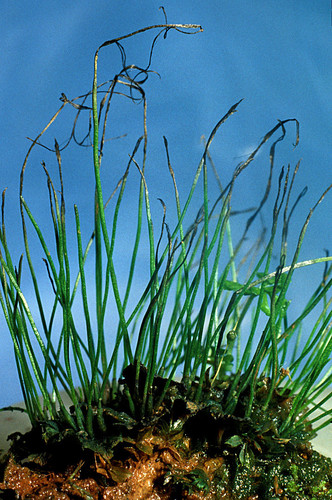
British Columbia, CA
Puedes ver Hornwort, Silverleaf Phacelia y Big Rough Fescue.
Ver guía →