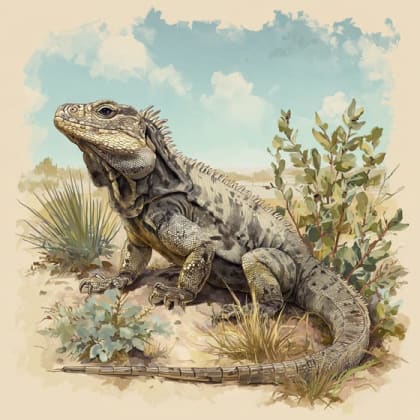




Western Milksnake
Lampropeltis gentilis
The Western Milksnake is a colorful snake that can be red, black, and yellow. They are friendly and often found in gardens and fields, helping to keep pests away.
Hábitat: Grasslands
The Western Milksnake has smooth scales and striking bands of red, black, and cream or white. Its red bands always touch black bands, a key visual difference from venomous coral snakes. This distinctive pattern helps it blend into various environments.
Categoría
ReptilesRareza
Common
Peligro
1/5 · Muy bajo
Snaps
¡Sé la primera persona en hacer un snap!
Milksnakes got their name from a silly myth that they milked cows!
Some milksnakes shiver their tail like a rattlesnake to warn off danger!
These harmless snakes eat pests like mice, making them welcome garden visitors!
They are not venomous, meaning their bite is totally harmless to humans!
Western Milksnake can mimic venomous coral snakes by having similar colors that helps them scare away predators.
Western Milksnake has powerful muscles that help them squeeze and capture prey tightly.
Western Milksnake can hunt at night because of their excellent senses, helping them find hidden prey.
These snakes are carnivores that hunt small animals using constriction.
Peromyscus maniculatus
A primary food source for milksnakes.
Microtus pennsylvanicus
Often preyed upon in grassy habitats.
Thamnophis sirtalis
Known to eat other snake species, including garter snakes.
Buteo jamaicensis
A common aerial predator of snakes.
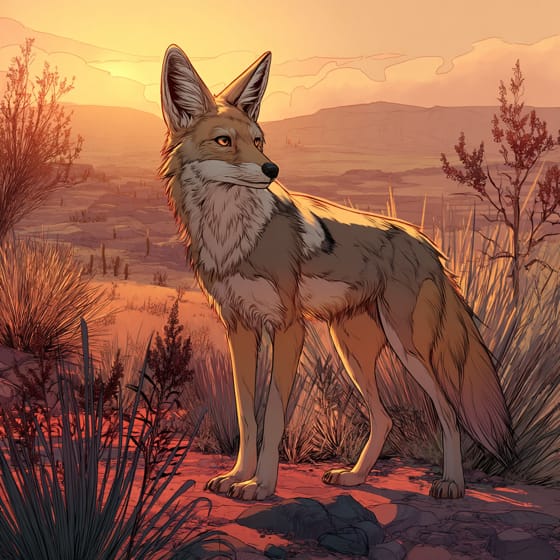
Canis latrans
May prey on milksnakes encountered on the ground.
Marcado con bandas paralelas o líneas de color.
Los animales solitarios viven solos durante la mayor parte de su vida y solo interactúan con otros para aparearse o cuidar de sus crías.
Colorido describe a organismos u objetos que exhiben una amplia variedad de colores brillantes y distintivos.
Los hábitats de pastizales son biomas terrestres dominados por pastos y plantas herbáceas, que sustentan a una variedad de animales de pastoreo.

Este rasgo identifica a los organismos cuya dieta consiste total o principalmente en tejido animal.

Los animales diurnos están activos principalmente durante el día y suelen descansar o dormir por la noche.
Todavía no hay alias listados.
Peligro
1/5 · Muy bajo
If you see a snake, it's best to watch from a distance and not touch it.
60-120 cm
0.1-0.5 kg
10-15 años
5 km/h
These snakes are carnivores that hunt small animals using constriction.
Grasslands
Ambush
4-12
Acércate para separar los grupos y explorar dónde se ha fotografiado este objeto.
Los snaps recientes aparecerán aquí a medida que se añadan nuevas observaciones.