






Western Sea Slater
ligia occidentalis
The Western Sea Slater is a small, lively creature that loves to scuttle around on rocky shores. They are great at hiding in tiny crevices and are fun to watch as they explore their coastal homes!
Hábitat: Rocky shores and tide pools along the coast.
The Western Sea Slater is a flattened, oval-shaped invertebrate with a segmented, dull grey or mottled brown body. It has long, slender antennae and many legs, allowing it to scurry quickly over rocks. Its coloration helps it blend perfectly with coastal environments.
Categoría
InvertebrateRareza
Common
Peligro
0/5 · Sin peligro conocido
Snaps
¡Sé la primera persona en hacer un snap!
Sea slaters have huge compound eyes, like a fly's, for great vision!
These speedy critters can run backwards just as fast as forwards!
They are more closely related to terrestrial pillbugs than to crabs!
They can sense changes in the tide, knowing when to climb higher!
Western Sea Slater can move incredibly fast over rocks because of its numerous legs, helping them escape predators in a flash.
Western Sea Slater has specialized gills that allow them to breathe even when out of water, helping them survive low tide for hours.
Western Sea Slater is most active at night, which helps them avoid daytime predators and find food more safely in the dark.
Nature's clean-up crew, munching on decaying plants and tiny bits of algae along the shore!

Actitis macularius
A quick meal for shorebirds.

Pachygrapsus crassipes
Crabs snatch them from rocks.
Ulva lactuca
Consumes decaying bits of this green alga.
Fucus gardneri
Feeds on dead or dying strands of this seaweed.
Los animales solitarios viven solos durante la mayor parte de su vida y solo interactúan con otros para aparearse o cuidar de sus crías.
Describe a los organismos que descomponen la materia orgánica muerta, reciclando los nutrientes de vuelta al ecosistema.
Los hábitats costeros son entornos dinámicos situados a lo largo de la interfaz entre la tierra y el mar, influenciados por las mareas, las olas y el agua salada.
Los animales diurnos están activos principalmente durante el día y suelen descansar o dormir por la noche.

Los hábitats marinos abarcan todos los entornos de agua salada de los océanos de la Tierra, sustentando una inmensa diversidad de vida acuática.
Peligro
0/5 · Sin peligro conocido
Todavía no hay notas especiales de seguridad.
3.5 cm
2 años
5 km/h
Nature's clean-up crew, munching on decaying plants and tiny bits of algae along the shore!
Rocky shores and tide pools along the coast.
Scavenging
Acércate para separar los grupos y explorar dónde se ha fotografiado este objeto.
Los snaps recientes aparecerán aquí a medida que se añadan nuevas observaciones.

British Columbia, CA
Puedes ver Broad-Leaved Stonecrop, Foca Común y Ochre Sea Star.
Ver guía →
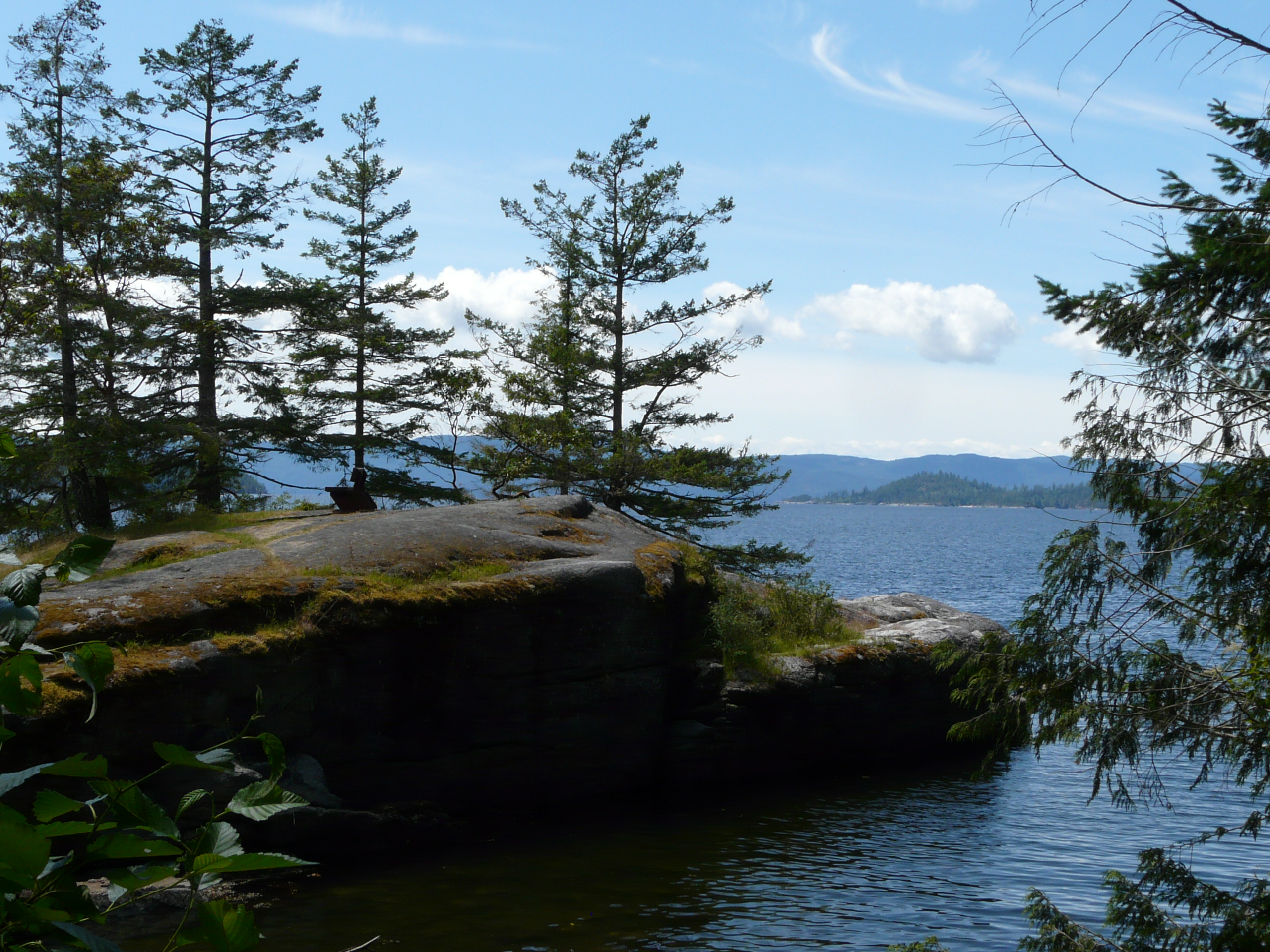
British Columbia, CA
Puedes ver Ochre Sea Star y Yellow Shore Crab.
Ver guía →
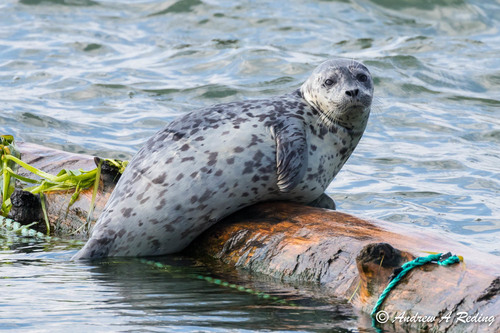
British Columbia, CA
Puedes ver Foca Común, Evergreen Huckleberry y Alumroots.
Ver guía →














