
.JPG&width=800)





Western Skink
Plestiodon skiltonianus
The Western Skink is a shiny, blue-tailed lizard that loves to bask in the sun! They are quick and can often be seen darting through grass and rocks.
Hábitat: Grasslands
The Western Skink has a sleek, shiny body with a pointed snout. Adults are brown or gray with two light stripes down their back, while juveniles often boast a striking bright blue tail. These features help distinguish them from other lizards.
Categoría
ReptilesRareza
Common
Peligro
1/5 · Muy bajo
Snaps
¡Sé la primera persona en hacer un snap!
A mother skink wraps her body around her eggs to keep them safe!
Baby skinks have super shiny blue tails that alert predators to stay away!
Skinks can shed their entire skin in one big piece, like a stretchy sock!
They use their tongues to 'taste' the air and understand their surroundings!
Western Skink has attentive parenting because the mother guards her eggs to protect them from predators until they hatch.
Western Skink has excellent camouflage with stripes because it helps them blend into rocky and grassy environments to hide from danger.
These little lizards hunt and eat all sorts of small bugs and spiders.
Pituophis catenifer
A common predator in its habitat.
Falco sparverius
This small falcon hunts skinks.
Thamnophis sirtalis
A snake that preys on lizards.
Gryllus assimilis
Often preys on crickets.

Schistocerca nitens
Actively hunts grasshoppers.
Los animales solitarios viven solos durante la mayor parte de su vida y solo interactúan con otros para aparearse o cuidar de sus crías.
El camuflaje describe a los organismos que poseen colores o patrones que les permiten mezclarse con su entorno.
Colorido describe a organismos u objetos que exhiben una amplia variedad de colores brillantes y distintivos.
Este rasgo identifica a los organismos cuya dieta consiste principalmente en insectos y otros pequeños invertebrados.

Los hábitats de pastizales son biomas terrestres dominados por pastos y plantas herbáceas, que sustentan a una variedad de animales de pastoreo.

Los animales diurnos están activos principalmente durante el día y suelen descansar o dormir por la noche.

Los organismos regenerativos poseen la capacidad de volver a desarrollar partes del cuerpo, tejidos u órganos perdidos o dañados.

Este rasgo identifica a los organismos que exhiben una rapidez excepcional en sus movimientos para cazar, escapar o desplazarse.
Todavía no hay alias listados.
Peligro
1/5 · Muy bajo
If you see a skink, watch it from a distance and don't try to catch it.
13-22 cm
0.002-0.01 kg
6-10 años
12 km/h
These little lizards hunt and eat all sorts of small bugs and spiders.
Grasslands
Foraging
2-10
Acércate para separar los grupos y explorar dónde se ha fotografiado este objeto.
Los snaps recientes aparecerán aquí a medida que se añadan nuevas observaciones.
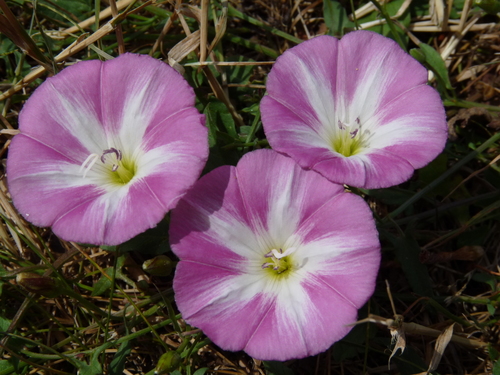
California, US
Puedes ver Field Bindweed, Charlock y Figeater Beetle.
Ver guía →

California, US
Puedes ver Pacific Hound's Tongue, Pacific Trillium y Secuoya.
Ver guía →
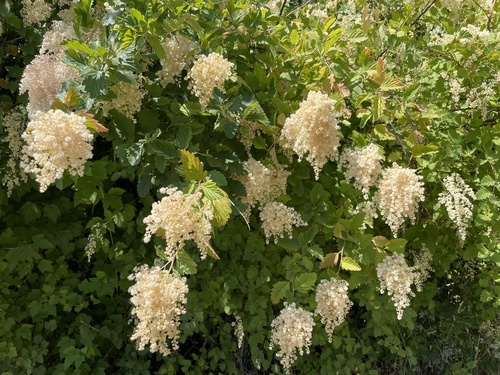
British Columbia, CA
Puedes ver Ocean Spray, Rocky Mountain Woodsia y Prairie Smoke.
Ver guía →










_(7-15-12)_pena_blanca_lake%2C_scc%2C_az_-01_(7578641246).jpg&width=800)