






Western Terrestrial Garter Snake
Thamnophis elegans
The Western Terrestrial Garter Snake is a friendly snake that loves to slither through grass and bushes. They are often seen basking in the sun and are great at catching small bugs and frogs.
Hábitat: Grasslands
The Western Terrestrial Garter Snake has a slender body, often brown, grey, or olive, with a distinctive yellow or orange stripe down its back. It may also display two lighter side stripes and black spots between the stripes, giving it a checkered look.
Categoría
ReptilesRareza
Common
Peligro
1/5 · Muy bajo
Snaps
¡Sé la primera persona en hacer un snap!
They can sometimes gather in huge groups, hundreds of snakes, to stay warm!
They give birth to live babies, not eggs, just like some mammals!
This snake has tiny, mild venom, but it is harmless to humans.
When scared, they sometimes 'play dead' to trick predators into leaving them alone.
Western Terrestrial Garter Snake can release a foul-smelling musk from glands near its vent that helps them deter predators when feeling threatened.
Western Terrestrial Garter Snake has a streamlined body and powerful tail that helps them quickly swim and hunt in aquatic environments.
Western Terrestrial Garter Snake can deliver mild venom through grooved teeth that helps them subdue small prey before swallowing.
This snake munches on a variety of small animals, especially amphibians and fish!

Anaxyrus boreas
Juvenile toads are a common meal for garter snakes.
Oncorhynchus mykiss
Young trout in shallow water are easy prey.
Buteo jamaicensis
Hawks grab snakes from above as a regular food source.
Procyon lotor
Opportunistic raccoons will hunt for snakes near water.
Marcado con bandas paralelas o líneas de color.
Los animales solitarios viven solos durante la mayor parte de su vida y solo interactúan con otros para aparearse o cuidar de sus crías.
El camuflaje describe a los organismos que poseen colores o patrones que les permiten mezclarse con su entorno.
Este rasgo identifica a los organismos cuya dieta consiste principalmente en insectos y otros pequeños invertebrados.

Los hábitats de pastizales son biomas terrestres dominados por pastos y plantas herbáceas, que sustentan a una variedad de animales de pastoreo.

Los animales diurnos están activos principalmente durante el día y suelen descansar o dormir por la noche.
Todavía no hay alias listados.
Peligro
1/5 · Muy bajo
If you see a snake, it's best to watch from a distance and not touch it.
46-100 cm
0.05-0.3 kg
6-10 años
2 km/h
This snake munches on a variety of small animals, especially amphibians and fish!
0.8 km/h
Grasslands
Pursuit
Acércate para separar los grupos y explorar dónde se ha fotografiado este objeto.
Los snaps recientes aparecerán aquí a medida que se añadan nuevas observaciones.

British Columbia, CA
Puedes ver Broad-Leaved Stonecrop, Foca Común y Ochre Sea Star.
Ver guía →
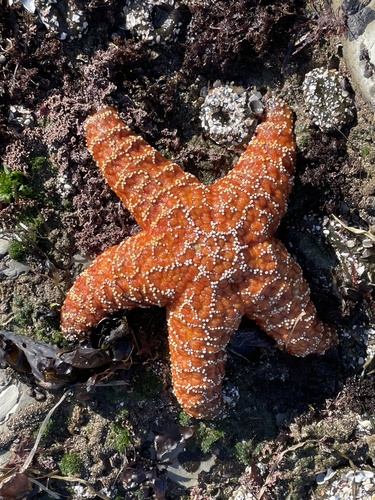
British Columbia, CA
Puedes ver Ochre Sea Star, Fringe Cups y Moonglow Anemone.
Ver guía →

Wyoming, US
Puedes ver Pino Contorta, Flowery Phlox y Alce.
Ver guía →
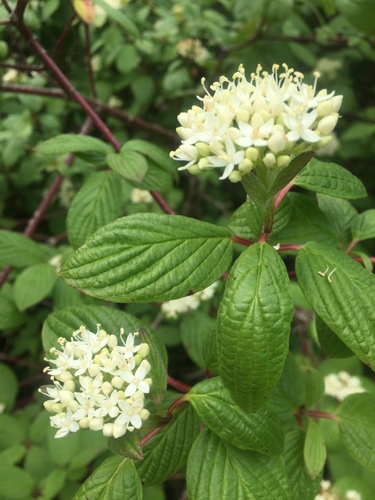
British Columbia, CA
Puedes ver Red Osier Dogwood, Pino Contorta y Common Juniper.
Ver guía →

California, US
Puedes ver Abeja, Monarch y Anna's Hummingbird.
Ver guía →

Washington, US
Puedes ver Tsuga Del Pacífico, Pato y Western Sword Fern.
Ver guía →








.jpg&width=800)

_playing_dead_(14178349634).jpg&width=800)


