






Western Tiger Salamander
Ambystoma mavortium
The Western Tiger Salamander is a cool, spotted amphibian that loves to live in wet areas. It has a smooth, shiny skin and can be black or dark brown with bright yellow or white spots!
Hábitat: Wetlands
The Western Tiger Salamander is a large, stout-bodied amphibian with a broad head. It has a dark background color, typically black or dark brown, covered with striking irregular yellow or olive-green blotches and bars. This vibrant pattern makes it easily recognizable.
Categoría
AnfibiosRareza
Common
Peligro
1/5 · Muy bajo
Snaps
¡Sé la primera persona en hacer un snap!
Their larvae are fierce underwater predators, often eating other tadpoles and smaller salamanders!
They are one of the largest land-dwelling salamanders found across North America!
They can secrete a milky toxin from their skin as a defense against hungry predators!
Tiger salamanders sometimes eat each other, especially when food is scarce in their ponds!
Western Tiger Salamander can regrow lost limbs, tails, and even damaged organs, helping them recover from injuries.
Western Tiger Salamander has strong front limbs that help them dig deep burrows for shelter and escape from predators.
Western Tiger Salamander can remain a gilled, water-dwelling larva and reproduce, adapting to stay aquatic in certain conditions.
Western Tiger Salamander uses a quick, sticky tongue to snatch insects and other small prey with surprising speed.
These hungry amphibians eat almost anything smaller than them, from insects to other amphibians!
Diferencias por edad: Larvae are aquatic and eat aquatic invertebrates, while adults are terrestrial and eat a wider range of land-based prey.
Lumbricus terrestris
A primary food source for foraging salamanders.
Thamnophis sirtalis
Salamanders are prey for various snake species.
Procyon lotor
Mammalian predators dig up salamanders from burrows.
Ardea herodias
Larvae and emerging adults are vulnerable to wading birds.
Marcado con manchas o parches de un color diferente.
Los animales excavadores cavan túneles y cámaras en el suelo y utilizan estas estructuras subterráneas para refugiarse, cazar o reproducirse.
Este rasgo identifica a los organismos cuya dieta consiste principalmente en insectos y otros pequeños invertebrados.
Este rasgo de hábitat identifica especies que se encuentran en humedales, que son áreas de tierra saturadas de agua, ya sea permanente o estacionalmente, e incluyen marismas, pantanos y ciénagas.

Este rasgo identifica a los organismos cuya dieta consiste total o principalmente en tejido animal.

El estado de amenazado indica que es probable que una especie pase a estar en peligro de extinción en el futuro cercano si no se toman medidas efectivas de conservación.

Los animales nocturnos están principalmente activos durante la noche, y suelen descansar o dormir durante el día.
Todavía no hay alias listados.
Peligro
1/5 · Muy bajo
Always wash your hands after touching any salamander, as they can be sensitive to chemicals.
15-33 cm
0.03-0.2 kg
10-16 años
0.5 km/h
These hungry amphibians eat almost anything smaller than them, from insects to other amphibians!
Wetlands
Ambush
100-1000
Acércate para separar los grupos y explorar dónde se ha fotografiado este objeto.
Los snaps recientes aparecerán aquí a medida que se añadan nuevas observaciones.
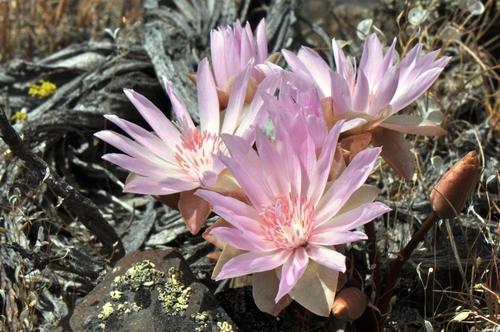
British Columbia, CA
Puedes ver Bitterroot, Arrowleaf Balsamroot y Western Stoneseed.
Ver guía →
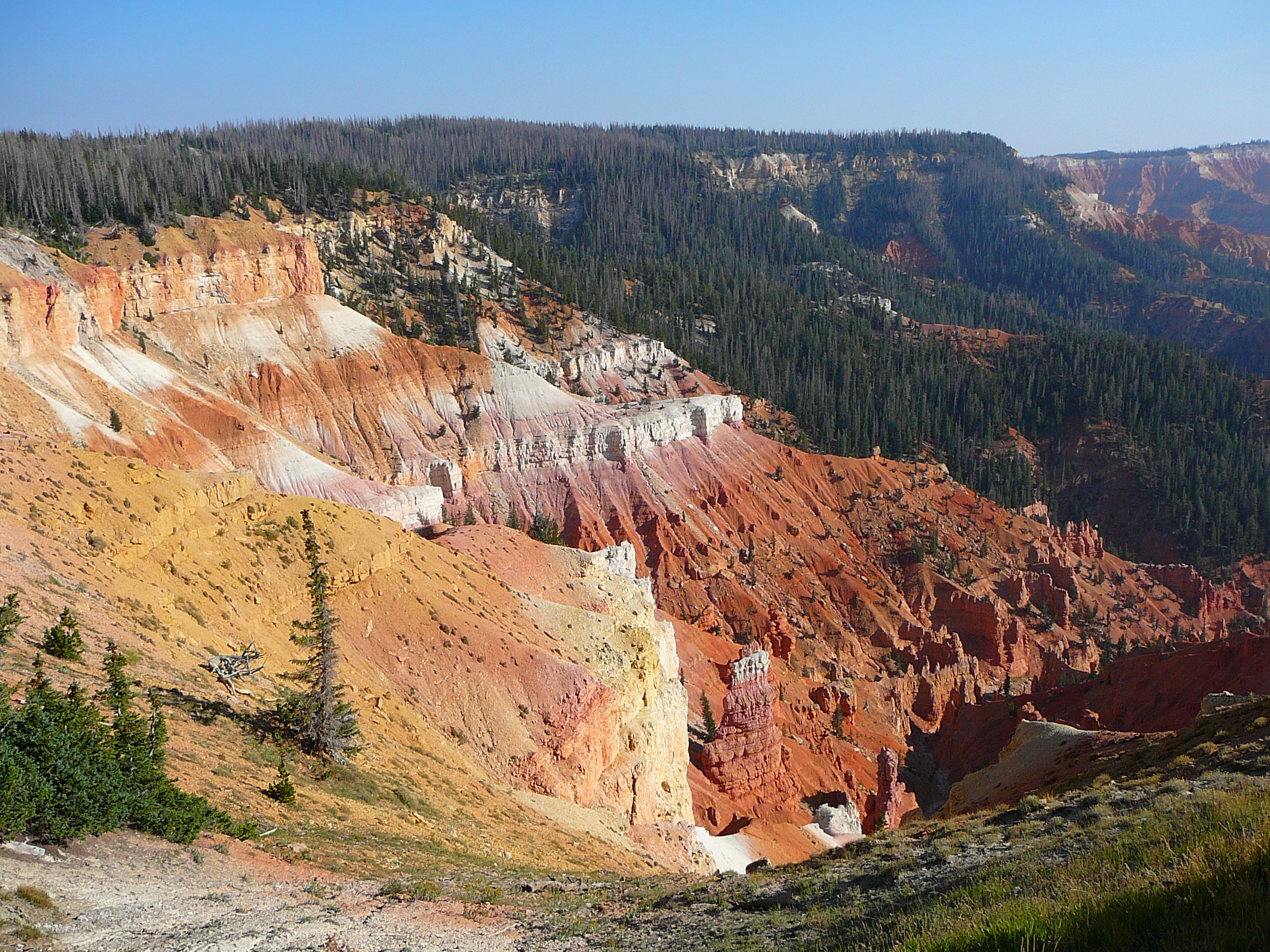
Utah, US
Puedes ver Great Basin Bristlecone Pine, Blue Columbine y Monument Plant.
Ver guía →
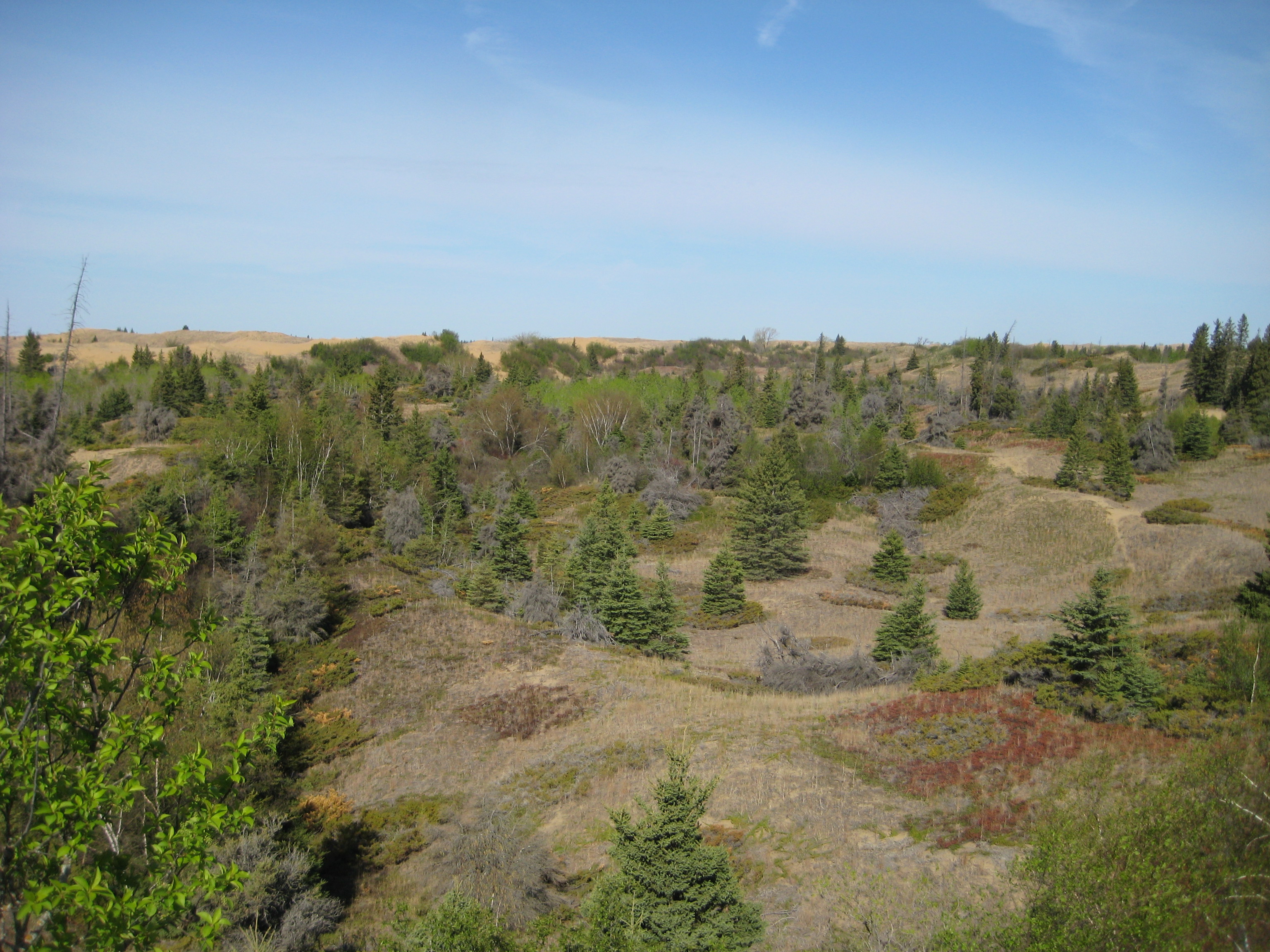
Manitoba, CA
Puedes ver Prairie Skink, Smooth Greensnake y Mariposa Almirante.
Ver guía →




.jpg&width=800)









