.jpg&width=800)





white bog orchid
Platanthera dilatata
The white bog orchid is a beautiful flower that grows in wet, marshy areas. Its delicate white petals look like tiny stars shining in the grass, making it a special sight in nature.
Hábitat: Wetlands
The white bog orchid is an elegant plant with an erect stem bearing narrow, lance-shaped leaves. Its small, pure white, fragrant flowers are arranged in a dense, upright spike, often featuring a distinctive long, slender spur at the base of each bloom.
Categoría
PlantasRareza
Rare
Peligro
1/5 · Muy bajo
Snaps
¡Sé la primera persona en hacer un snap!
Its tiny seeds are like dust, carried by the wind for miles to find new damp homes!
Some varieties of this orchid actually have green flowers, not always pure white!
The scientific name 'Platanthera' means 'broad anther,' referring to its wide pollen structures.
White bog orchids can live for many years, silently growing in their boggy homes.
White bog orchid releases a sweet, strong fragrance at night to attract specific moths for pollination in the dark.
White bog orchid thrives in waterlogged, acidic soils where few other plants can grow, thanks to specialized root adaptations.
White bog orchid has a long, slender spur on its flowers that perfectly holds nectar for long-tongued pollinators.
Hyles lineata
visits flowers for nectar, carrying pollen between them.
Bombus occidentalis
collects nectar and pollen, aiding in reproduction.
Tulasnella calospora
exchanges nutrients with the orchid, crucial for its growth.
Las plantas con flores son cualquier planta que produce flores como parte de su ciclo reproductivo.
Las plantas ornamentales se cultivan principalmente por su atractivo estético, embelleciendo paisajes y jardines con su atractivo follaje, flores o forma.
Las plantas de floración de verano producen sus flores durante la temporada estival, a menudo aportando un color vibrante cuando muchas otras plantas ya han terminado de florecer.
Las flores fragantes emiten un aroma agradable, a menudo para atraer polinizadores o como defensa.

Describe plantas que son particularmente atractivas y beneficiosas para una amplia variedad de organismos polinizadores.

Este rasgo de hábitat identifica especies que se encuentran en humedales, que son áreas de tierra saturadas de agua, ya sea permanente o estacionalmente, e incluyen marismas, pantanos y ciénagas.

El estado de peligro de extinción indica que una especie corre un riesgo muy alto de extinguirse en estado silvestre en un futuro próximo.
Todavía no hay alias listados.
Peligro
1/5 · Muy bajo
Always look at flowers from a distance and don't pick them, so they can keep growing.
15-100 cm
1-2 cm
Verano
Sí
Ninguna
Perenne
Insectos
Wetlands
Acércate para separar los grupos y explorar dónde se ha fotografiado este objeto.
Los snaps recientes aparecerán aquí a medida que se añadan nuevas observaciones.

Wyoming, US
Puedes ver Pino Contorta, Flowery Phlox y Alce.
Ver guía →
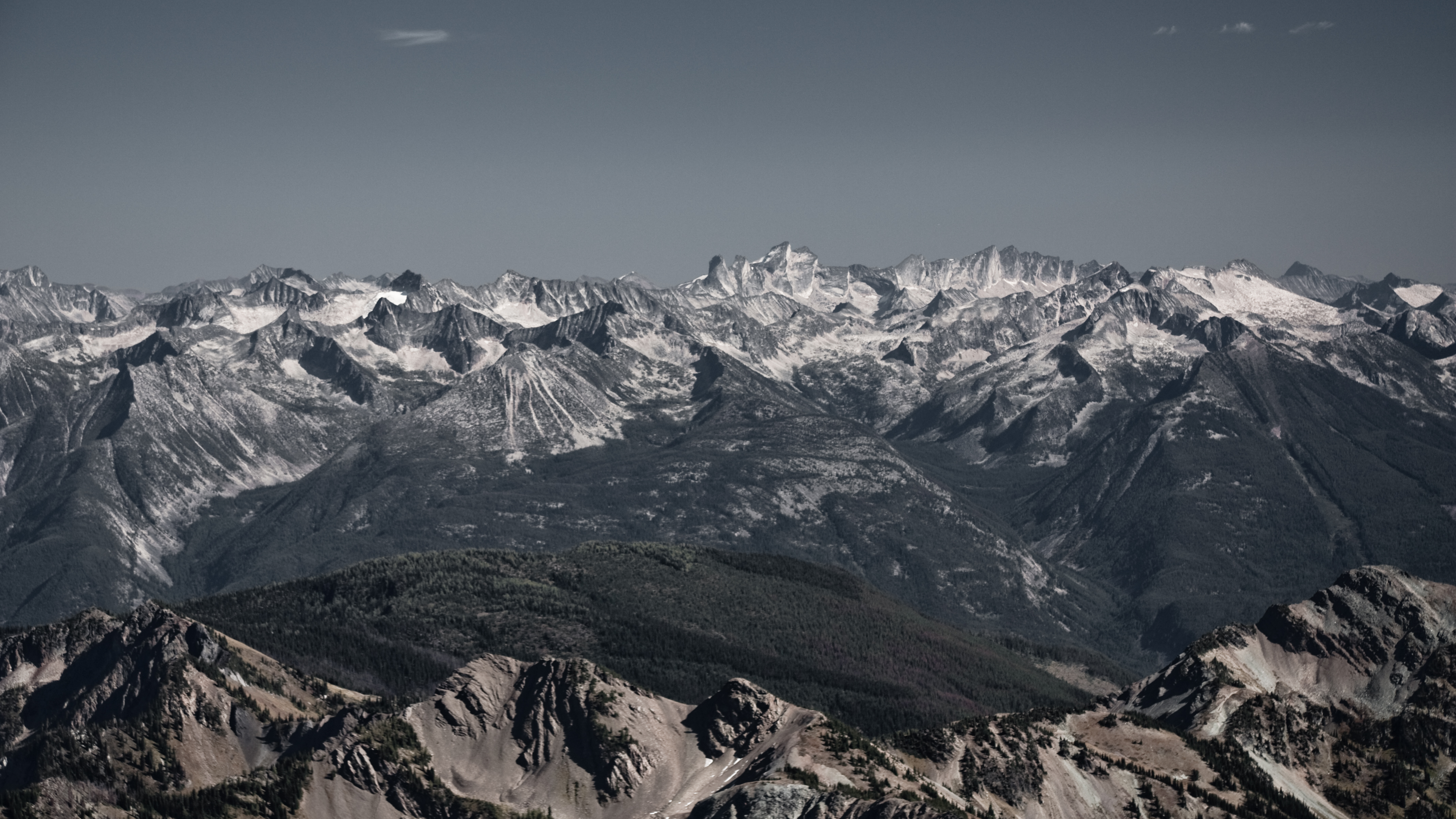
British Columbia, CA
Puedes ver Green Comma, Mariposa Capa De Luto y Hoary Comma.
Ver guía →